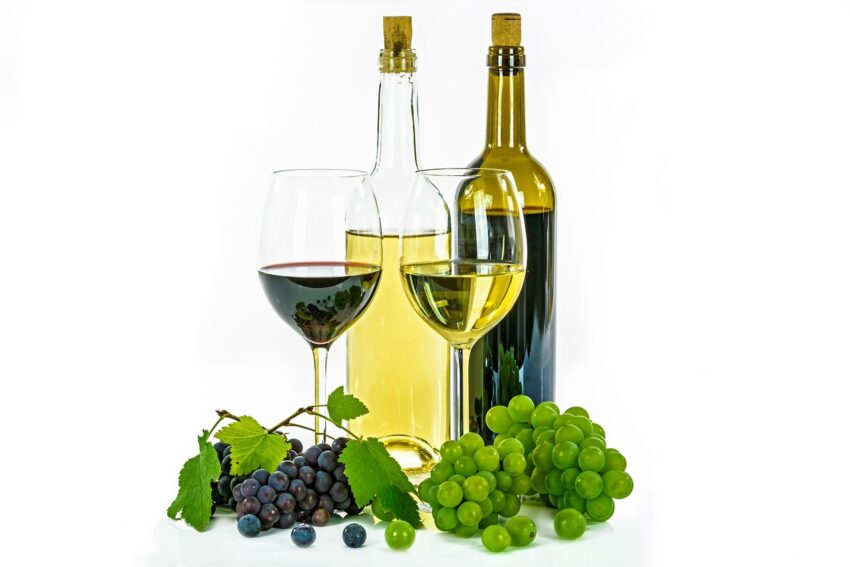
Wild yeast fermentation wine relies on the natural microorganisms residing on grape skins and in the winery environment rather than commercially cultured strains. This traditional approach to winemaking embraces local biodiversity, allowing spontaneous microbiological activity to transform grape sugars into alcohol and complex aromatic compounds.
Independent educational resources approach this subject by examining how non-Saccharomyces and wild Saccharomyces yeasts interact during the primary fermentation cycle. Understanding these natural processes provides valuable context for exploring diverse wine styles, regional characteristics, and traditional winemaking heritage without commercial bias.
Understanding Wild Yeast Fermentation in Winemaking
The practice of spontaneous fermentation represents an ancient winemaking method that predates modern commercial yeast isolation. Winemakers rely entirely on the natural microflora present in the vineyard ecosystem to initiate and complete the transformation of grape must.
What Are Indigenous Yeasts?
Indigenous yeasts refer to the diverse populations of microorganisms that naturally inhabit the surfaces of wine grapes and vineyard equipment. These microscopic organisms include various genera such as Hanseniaspora, Candida, Pichia, and wild strains of Saccharomyces cerevisiae.
Each vineyard site hosts a unique population of these organisms shaped by local climate, farming practices, and surrounding flora. This localized microbiological diversity contributes significantly to the distinctive character associated with specific vineyard origins.
Microbial Diversity in the Vineyard
Vineyard ecosystems support a complex web of fungal and bacterial life throughout the growing season. As grapes ripen, microbial populations fluctuate in response to temperature, humidity, and sugar accumulation levels on the fruit skins.
Healthy vineyard environments foster robust microflora communities. Practices that preserve natural soil health and minimize synthetic chemical applications help maintain the diverse microbial populations necessary for successful spontaneous fermentations.
The Transition from Grape Skin to Must
When grapes are harvested and crushed, the natural microflora on the skins mixes immediately with the extracted juice. This sugary liquid, known as must, provides an immediate nutrient-rich environment for the resident yeasts to multiply.
During the initial stages of this process, non-Saccharomyces yeasts often dominate the activity. As alcohol levels gradually rise, these sensitive species die off, paving the way for ethanol-tolerant wild Saccharomyces strains to finish the primary fermentation cycle.
During the initial stages of production, managing alcoholic fermentation in wine relies heavily on the native microorganisms present on the fruit.
Comparing Cultured Versus Wild Fermentation
Winemakers face distinct choices regarding how they manage the primary transformation of grape juice. Comparing spontaneous methods with inoculated techniques highlights fundamental differences in process control, flavor development, and fermentation kinetics.
Predictability and Inoculated Strains
Inoculated fermentations utilize isolated, commercially manufactured yeast strains selected for high reliability, rapid fermentation rates, and specific flavor profiles. This approach minimizes the risk of stuck fermentations or unwanted bacterial spoilage.
Producers opting for cultured yeasts gain consistent outcomes across different vintages. This predictability is particularly valuable in large-scale commercial production where maintaining a uniform product profile is an economic priority.
Complexity and Secondary Aromas
Wild yeast fermentations often produce wines with heightened aromatic complexity and textural depth. The sequential activity of multiple yeast species generates a wider array of secondary volatile compounds than typically achieved with a single inoculated strain.
Tasters frequently note savory, earthy, and rustic dimensions in spontaneously fermented wines. These nuanced characteristics reflect the diverse metabolic byproducts of various wild microorganisms interacting throughout the winemaking process.
Fermentation Kinetics and Lag Phases
Spontaneous fermentations typically feature a longer lag phase before active bubbling begins. Because natural populations start at lower concentrations, it takes several days for the primary yeast communities to multiply sufficiently and consume available sugars.
This extended timeline requires careful monitoring by winemaking staff. Managing temperature and hygiene becomes critical during the prolonged early stages to prevent undesirable oxidation or volatile acidity accumulation.
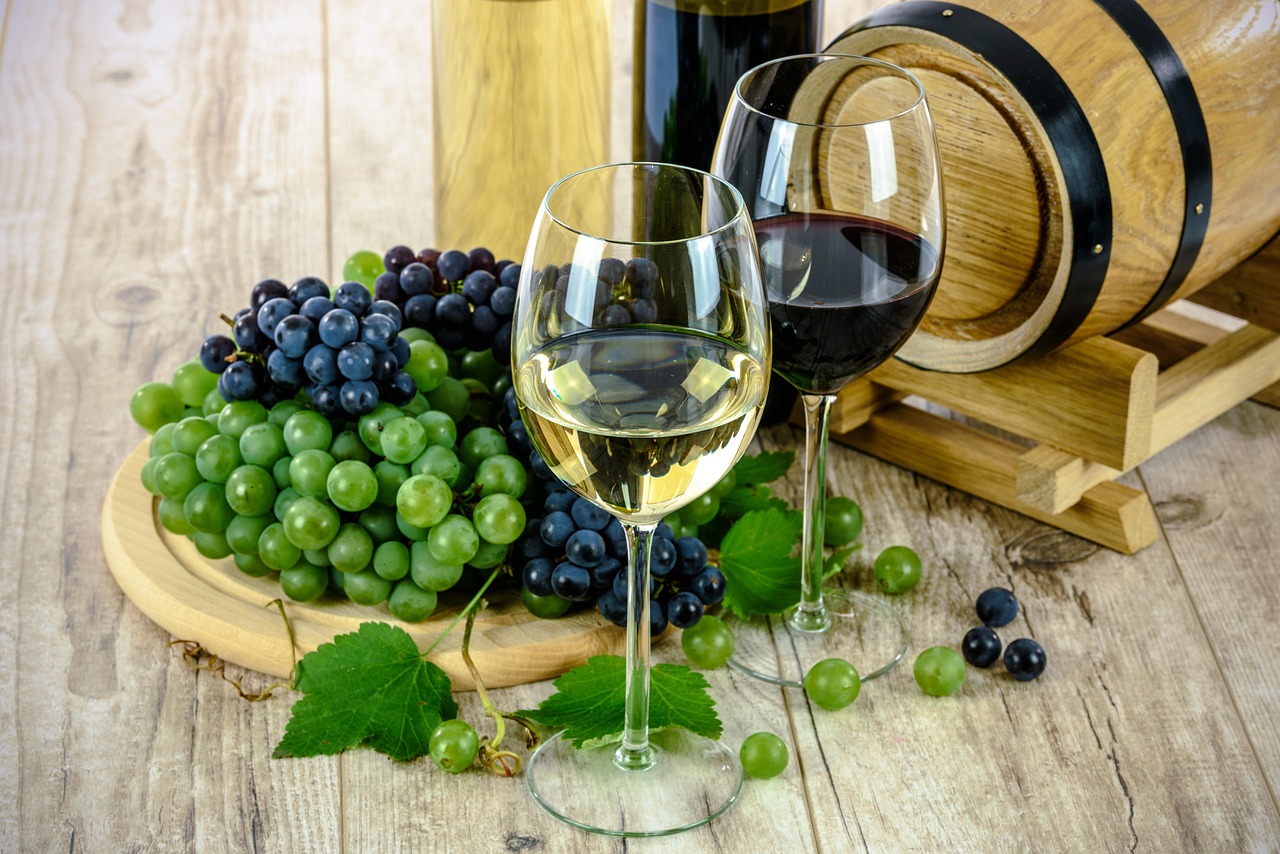
When evaluating spontaneous methods against commercial practices, understanding the process of adding yeast to wine provides a helpful baseline for comparison.
Grape Varieties and Regional Expression
The interaction between wild yeast populations and specific grape varieties creates expressions deeply tied to geographic origin. Certain regions and varietals demonstrate a particular affinity for spontaneous fermentation techniques.
Expressing Terroir Through Microflora
Terroir encompasses all environmental factors influencing a grapevine, including soil, climate, and topography. Increasingly, viticultural observers include the local vineyard microflora as an integral component of this complex concept.
When wild yeasts convert sugars into alcohol, they translate the biological signature of the vineyard into the finished glass. This microbial contribution reinforces the connection between a specific place of origin and its wine.
White Varieties and Spontaneous Fermentation
Aromatic white grape varieties often respond remarkably well to wild yeast protocols. Grapes like Riesling, Sauvignon Blanc, and Chardonnay can develop pronounced mineral, herbal, and stone-fruit dimensions under spontaneous conditions.
Meticulous juice handling is required when fermenting white grapes without commercial yeast additions. Protecting the clear juice from excessive oxidation while allowing natural microbes to work demands precise temperature management.
Red Varieties and Tannin Integration
Red wine fermentations incorporate grape skins and seeds throughout the process, providing an abundant reservoir of wild microorganisms. Varieties such as Syrah, Pinot Noir, and Cabernet Franc benefit from the extended contact time.
Fermentation byproducts can influence tannin integration during maceration, potentially yielding softer, more integrated mouthfeel characteristics. The natural metabolic byproducts interact harmoniously with phenolic compounds extracted from the grape skins.
Different cultivars respond uniquely to environmental conditions, making it essential to monitor red wine fermentation temperature carefully across various regional styles.
Practical Sensory Evaluation of Spontaneous Wines
Evaluating wild yeast fermentation wine requires an understanding of its unique sensory profile. Tasting these wines involves identifying specific aromatic markers, texture differences, and structural balances that distinguish them from conventionally produced alternatives.
Recognizing Autolytic and Earthy Notes
Wines made through spontaneous fermentation frequently display distinctive savory aromas. Tasters may encounter notes resembling toasted nuts, forest floor, mushroom, or subtle farmhouse characteristics resulting from diverse microbial metabolism.
These secondary and tertiary notes should complement the primary fruit profile rather than dominate it. Balanced spontaneous wines integrate these earthy elements smoothly into an engaging aromatic spectrum.
Assessing Texture and Mouthfeel
The prolonged presence of diverse yeast biomass contributes noticeably to the tactile experience on the palate. Spontaneous wines often exhibit a broader, creamier, or more rounded mouthfeel compared to filtered, sterile-inoculated wines.
This enhanced texture stems from mannoproteins released as yeast cells break down during and after fermentation. These natural compounds coat the palate and add weight to both white and red wine styles.
Evaluating Acidity and Balance
Wild yeast populations can metabolize small amounts of malic acid or produce secondary acids during fermentation, subtly shifting the perceived balance. Evaluators should look for harmonious integration between acidity, alcohol, and fruit flavor.
A well-made spontaneous wine maintains a refreshing backbone despite its structural complexity. When acidity aligns cleanly with the broader flavor profile, the wine demonstrates successful craftsmanship.
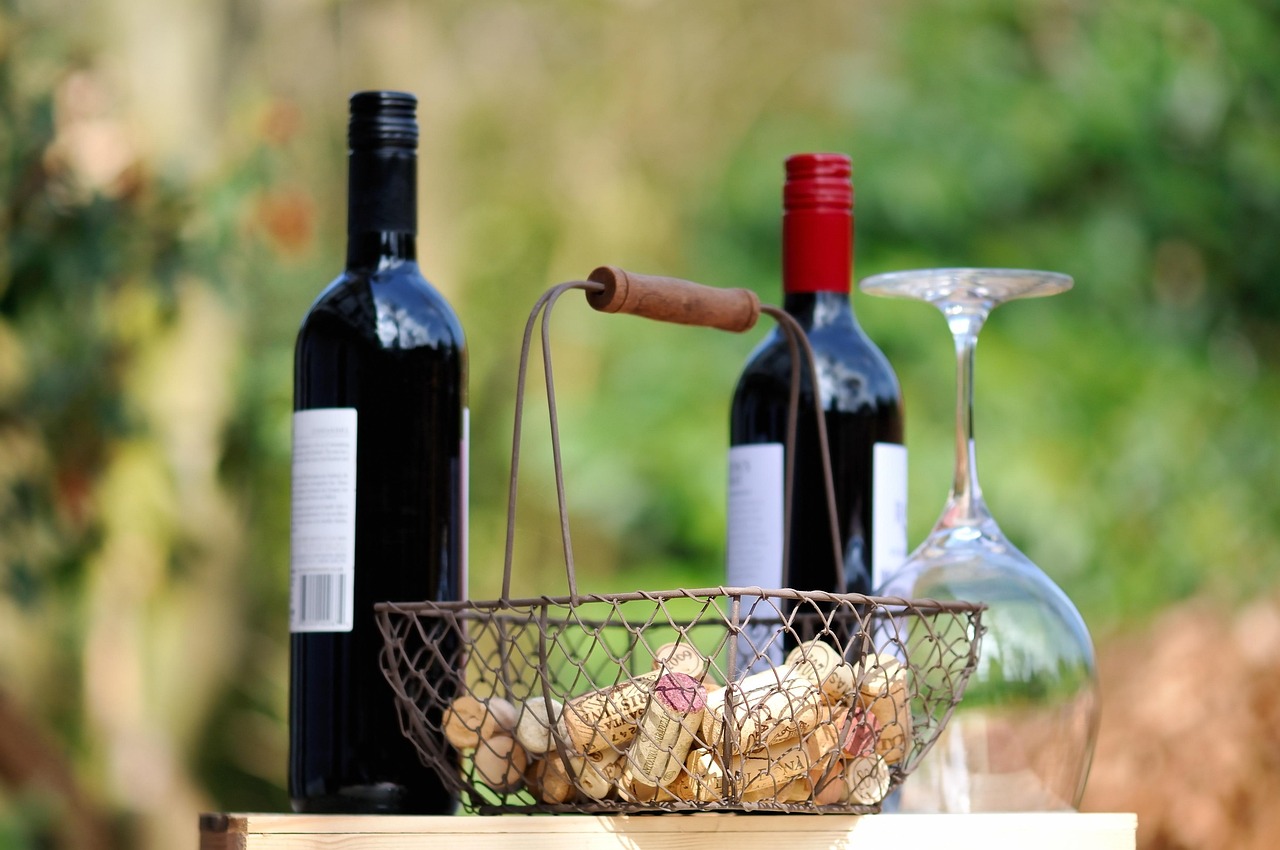
Serving, Storage, and Food Pairing Essentials
Proper handling ensures that the nuanced qualities of wild yeast fermentation wines are fully appreciated. Understanding appropriate serving temperatures, storage conditions, and culinary pairings enhances the tasting experience.
Temperature Guidelines for Complex Wines
Complex spontaneous wines benefit from thoughtful serving temperatures that allow their intricate aromatics to unfold. Over-chilling white wines mutes subtle earth and yeast notes, while serving reds too warm emphasizes alcohol over fruit.
Light-bodied styles are best enjoyed slightly chilled around 50 to 55 degrees Fahrenheit, whereas fuller red wines shine between 60 and 65 degrees Fahrenheit. Allowing the wine to breathe in the glass for a few minutes further releases bound volatiles.
Storage Conditions and Aging Potential
Because many wild yeast wines are produced with minimal chemical intervention, maintaining stable cellar conditions is paramount. Consistent cool temperatures, moderate humidity, and darkness protect the wine from premature oxidation.
Storage environments should avoid temperature fluctuations and vibration. While not all spontaneous wines are built for long-term cellaring, robust examples with balanced structure and adequate acidity can evolve gracefully over several years.
Matching Wild Fermentations with Food
The savory, textured nature of spontaneous wines makes them exceptionally versatile at the dining table. Their earthy undertones bridge the gap between fruit flavors and rustic culinary preparations.
Pair these wines with roasted root vegetables, mushroom dishes, cured meats, or aged cheeses. The structural complexity and natural acidity of the wine cut through rich fats while harmonizing with earthy, savory ingredients.
Frequently Asked Questions
What is wild yeast fermentation wine?
Wild yeast fermentation wine is produced using only the naturally occurring microorganisms present on grape skins and in the winery environment. Instead of adding isolated commercial yeast strains, winemakers rely on this indigenous microflora to convert grape sugars into alcohol, resulting in wines that often reflect distinct regional and microbial characteristics.
Are wild yeast wines more unstable than others?
Spontaneous fermentations can carry slightly higher risks during the winemaking process due to unpredictable microbial competition. However, once successfully finished and properly stabilized, bottled wild yeast wines are generally no more unstable than conventionally made wines, provided they are stored under standard, recommended cellar conditions.
Do wild yeasts affect the alcohol content?
Wild yeasts convert available grape sugars into alcohol similarly to cultured strains, meaning the final alcohol level depends primarily on the sugar concentration at harvest. While certain non-Saccharomyces species convert sugar less efficiently early on, the primary alcohol-producing wild strains yield comparable alcohol percentages to commercial counterparts.
Can any winery use wild yeast fermentation?
Any winery can attempt spontaneous fermentation, but success depends heavily on vineyard farming methods and cellar hygiene. Vineyards treated with certain synthetic chemicals may lack sufficient healthy microflora, and wineries require careful monitoring protocols to manage sluggish fermentations or potential microbial spoilage risks safely.
What flavors are typical in wild yeast wines?
Wines made with spontaneous fermentation frequently display traditional fruit notes accompanied by savory, earthy, and complex secondary characteristics. Tasters often note aromas resembling wet stone, forest floor, toasted brioche, or subtle spice, reflecting the metabolic diversity of the multiple yeast species involved.
Do spontaneous fermentations require sulfur additions?
The use of sulfur dioxide in wild yeast winemaking varies widely depending on producer philosophy. While some low-intervention winemakers add minimal sulfur only at bottling for stability, others may use small amounts earlier to control unwanted bacteria. Spontaneous fermentation itself does not dictate zero sulfur use.