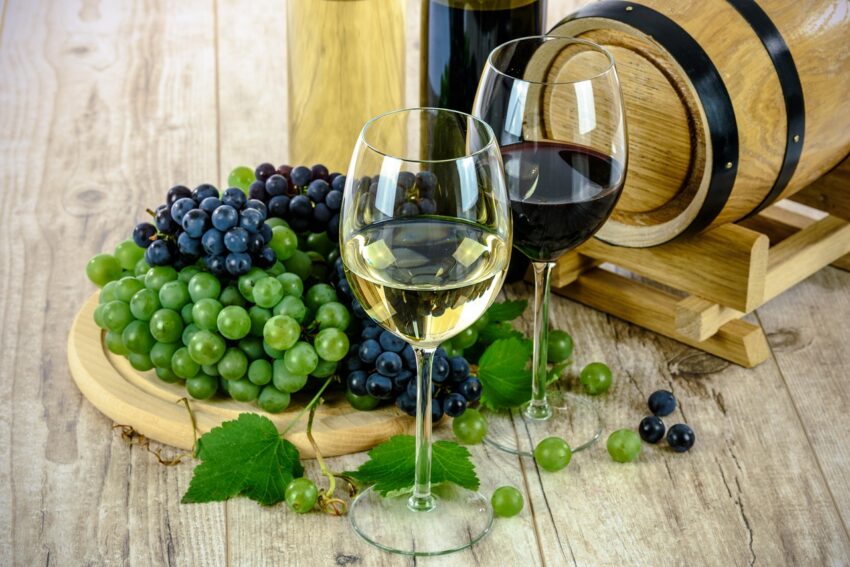
Red wine dessert pairing requires careful attention to the balance of sweetness, acidity, and tannin structures found in both the glass and the plate. Because red wines often feature pronounced structural elements like tannins and alcohol, pairing them with sweet items demands strategic flavor alignment.
The primary rule of successful dessert pairing involves ensuring the wine is at least as sweet as the food it accompanies. When a dry red wine meets a sugary confection, the wine can suddenly taste harsh, stripped of its fruit notes, and unpleasantly metallic.
By selecting specific varietals that harmonize with chocolate, ripe fruits, or toasted nuts, enthusiasts can create sophisticated flavor combinations. This guide explores fundamental principles, specific pairing strategies, and practical techniques for combining red wine with various sweet courses.
Fundamental Principles of Sweetness and Tannin
Balancing Sugar Levels in Wine and Dish
When pairing red wine with dessert, sugar content serves as the primary metric for success. If a pastry contains more residual sugar than the accompanying wine, the beverage will taste aggressively tart and overly astringent.
To avoid this sensory clash, look for fortified styles or late-harvest reds that naturally possess high sugar levels. Alternatively, serve dry reds alongside mildly sweet treats where the sugar differential remains minimal.
Managing Tannin Structure with Rich Fats
Tannins provide red wine with its characteristic drying sensation along the gums and tongue. When these compounds encounter high levels of dietary fat found in butter, cream, or nuts, the fat coats the palate and softens the perception of tannin.
This biochemical interaction explains why full-bodied reds pair effectively with rich cheesecakes or buttery shortbreads. The fat bridges the gap between the wine’s structure and the dessert’s weight.
Accounting for Acidity in Confections
Acidity in desserts often stems from fruit purees, citrus zests, or cultured dairy products like yogurt and sour cream. A wine that lacks sufficient natural acidity will taste flabby and disjointed when served alongside a tart berry compote or lemon tart.
Matching acidity levels ensures that the dessert refreshes the palate rather than overwhelming the wine. Bright, fruit-forward reds handle tart components much better than heavy, oak-aged monoliths.
For related wine guidance, see pinot noir dessert pairing.
Pairing Chocolate Varieties with Bold Reds
Matching Dark Chocolate with Cabernet Sauvignon
Dark chocolate offers intense cocoa bitterness and moderate sweetness, making it a classic partner for full-bodied red wines like Cabernet Sauvignon. The cocoa solids share structural affinities with oak tannins, creating a cohesive tasting experience.
To optimize this combination, select dark chocolates containing at least seventy percent cocoa. The reduced sugar content prevents the wine from tasting sour while enhancing the dark berry notes inherent in the grape.
Pairing Milk Chocolate with Fruity Merlots
Milk chocolate contains significantly higher sugar and dairy fat levels compared to dark chocolate. Consequently, bold, high-tannin reds will clash unpleasantly with its creamy sweetness and milky profile.
Softer, fruit-forward Merlots provide a much better bridge for milk chocolate confections. The plush texture and ripe plum flavors complement the creamy dairy elements without accentuating any bitterness in the wine.
Navigating White Chocolate and Light Reds
White chocolate consists primarily of cocoa butter, sugar, and milk solids without any actual cocoa solids. This creates a remarkably rich, buttery, and sweet profile that easily overpowers standard red wine structures.
Lightly chilled, low-tannin reds with high natural acidity can sometimes cut through this richness. However, pairings require careful selection to prevent the wine from vanishing entirely beneath the heavy dairy fats.
For related wine guidance, see seafood pasta wine pairing.
Fruit-Forward Desserts and Lighter Reds
Combining Berry Tarts with Pinot Noir
Fresh berries introduce vibrant acidity and natural fruit sugars that resonate directly with lighter red wines. Pinot Noir, with its bright cherry and strawberry profiles, mirrors the fruit characteristics found in raspberry and blackberry tarts.
The gentle tannin profile of cool-climate Pinot Noir prevents any metallic clashes with the tart fruit acids. This pairing highlights the earthy and floral dimensions of both the wine and the pastry.
Pairing Stone Fruit Cobblers with Grenache
Peach, plum, and nectarine desserts bring a lush, jammy sweetness paired with subtle stone-fruit acidity. Grenache-based wines, known for their warm spice and red fruit notes, complement these baked fruit dishes seamlessly.
The moderate alcohol and soft tannins of Grenache allow the baked fruit flavors to shine without competition. Adding a touch of cinnamon or nutmeg to the cobbler further bridges the gap to the wine’s spice characteristics.
Matching Citrus Confections with Gamay
Citrus-heavy desserts demand high acidity in the accompanying beverage to maintain structural balance. Gamay offers vibrant red fruit flavors alongside a refreshing structural acidity that handles citrus components effectively.
While citrus is notoriously difficult to pair with heavy red wines, light and juicy styles bridge the gap. The bright profile of Gamay prevents lemon or orange tarts from tasting flat or overly sweet.
For related wine guidance, see wine pairing with camembert.
Nutty and Spiced Confections with Aged Reds
Pairing Pecan Pie with Tawny-Style or Aged Syrah
Pecan pie combines toasted nuts, caramelized sugar, and rich pastry crust into a deeply flavorful dessert. Aged Syrah, with its secondary notes of smoked meat, leather, and black pepper, provides an intriguing counterpoint to the sweetness.
The nutty elements in the pie soften the aging tannins, while the wine’s dark fruit core cuts through the heavy corn syrup base. This pairing rewards slow, contemplative sipping after a substantial meal.
Combining Spice Cake with Zinfandel
Spice cakes infused with cloves, ginger, and cinnamon require a wine that can match their aromatic intensity. Zinfandel delivers jammy blackberry fruit alongside characteristic black pepper and baking spice notes.
The high alcohol content and bold fruit profile of Zinfandel stand up firmly to dense, spiced baked goods. The shared spice profile creates a harmonious sensory bridge between the glass and the dessert plate.
Matching Caramelized Pastries with Vintage Ports
Caramelized sugar offers a complex interplay of bitter and sweet notes found in flans, crème brûlée, and tuiles. Fortified styles provide the elevated sugar levels and alcohol weight necessary to match caramelized intensity.
The rich, cooked-fruit flavors of these structured wines wrap around the burnt sugar notes of the pastry. This pairing highlights the deep, caramelized depths of both items without structural fatigue.
Frequently Asked Questions
Why do some red wine and dessert pairings taste bitter?
Bitterness in a red wine and dessert pairing typically occurs when a dry, high-tannin wine meets a sweet confection. The sugar in the dessert strips away the perceived fruitiness of the wine, leaving only the astringent tannins and alcohol heat exposed on the palate.
To prevent this bitter clash, always ensure that the wine possesses equal or greater sweetness compared to the dessert. Alternatively, choose wines with very low tannin levels, such as chilled light reds or fortified styles.
Should the dessert always be less sweet than the wine?
Yes, as a general rule of thumb, the dessert should be slightly less sweet than the wine it is paired with. If the food contains more sugar than the beverage, the wine will immediately taste thin, sour, and unpleasantly stripped of its natural character.
Matching the sweetness level ensures a harmonious flavor profile where both components retain their individual qualities. When serving very sweet pastries, look for late-harvest or fortified red wines to maintain this essential balance.
Can chilled red wines work better with cold desserts?
Serving temperature significantly influences how wine interacts with textured food items, especially cold desserts like ice cream or chilled fruit mousses. Room-temperature red wines can taste harsh and overly alcoholic when contrasted against freezing sweet dishes.
Light-bodied red wines served with a slight chill bridge this temperature gap more effectively. The cooler serving temperature softens the perception of tannins and helps the wine mesh smoothly with chilled dairy-based desserts.
How does oak-aging in red wine influence dessert pairings compared to unoaked styles?
Oak-aging introduces compounds like vanillin, toast, and wood tannins that fundamentally alter how a red wine interacts with baked goods. Unoaked red wines rely purely on vibrant fruit flavors and native acidity, making them ideal companions for fresh fruit tarts or light, creamy confections.
In contrast, oak-aged reds bring secondary structural dimensions, such as vanilla, caramel, and subtle roasted spice notes. These complex characteristics create natural flavor bridges for pastries infused with warm baking spices, rich caramel sauces, or toasted nuts. However, the extra wood tannins in heavily oaked bottles require careful balancing against dietary fats to prevent an overly astringent finish on the palate. Selecting the right wine style depends entirely on whether the pastry relies on fresh fruit brightness or deep, roasted sweetness.
How does high alcohol content impact red wine pairings with rich, buttery pastries?
High alcohol content acts as a powerful structural solvent on the palate, which can be advantageous when tackling exceptionally rich, buttery desserts. When sipping a high-alcohol red wine alongside dense pastries like shortbread or rich cheesecakes, the warmth of the ethanol helps physically cut through heavy layers of dairy fat.
This solvent effect actively refreshes the tongue between bites, preventing rich foods from feeling overly cloying or heavy. However, if the dessert lacks sufficient sugar or fat to absorb that alcoholic weight, the beverage can taste aggressively hot and structurally unbalanced. Finding the correct structural equilibrium ensures the wine’s natural warmth enhances creamy textures rather than overwhelming the delicate flavors of the pastry during service.
Can sparkling red wines be successfully paired with sweet dessert courses?
Sparkling red wines, such as traditional Lambrusco or Australian Sparkling Shiraz, offer a dynamic texture that works exceptionally well with various sweet courses. The effervescence provides physical carbonation bubbles that actively scrub heavy fats from the tongue, operating much like traditional white sparkling wines.
This mechanical scrubbing action resets the palate between rich bites of dark chocolate cake or buttery tarts, keeping the overall tasting experience remarkably light and refreshing. Furthermore, the lively bubbles lift concentrated fruit aromatics out of the glass, complementing berry-based or fruit-forward desserts with absolute ease. Serving these effervescent reds slightly chilled enhances their natural structural vibrancy and creates a memorable, texturally engaging pairing experience for adult guests.