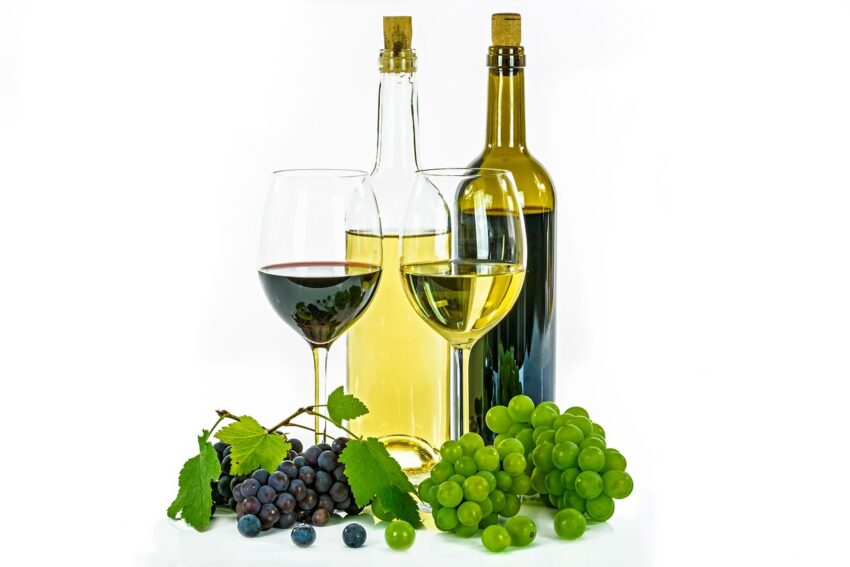
Finding the right wine pairing with chicken fajitas involves balancing smoky charred flavors, vibrant bell peppers, and zesty lime-marinated poultry. Because this dish features moderate spice and bright citrus accents, traditional heavy red wines can easily clash with the food.
Instead, educational wine principles point toward selections with elevated acidity, moderate alcohol levels, and fruit-forward profiles. Both crisp white wines and light-bodied reds can harmonize wonderfully, depending on the specific seasonings and toppings used during preparation.
Exploring these pairings relies on understanding how structural components like tannins, sweetness, and acidity interact with capsaicin and charred elements. This guide examines specific grape varieties, flavor dynamics, and practical strategies to elevate your next culinary experience.
Flavor Profiles of Chicken Fajitas
Seasoning and Spice Mechanics
Chicken fajitas typically feature a robust blend of cumin, chili powder, garlic, and black pepper. These spices introduce earthy warmth and a mild to moderate level of heat that requires thoughtful wine selection to avoid amplifying bitterness or perceived harshness.
When pairing with spiced dishes, wines featuring low alcohol and bright fruit characteristics prevent the capsaicin from feeling overwhelmingly sharp on the palate. Selecting bottles with subtle residual sugar can also soften the perceived intensity of hot spices.
Textural Elements of Poultry and Peppers
The primary components of fajitas include tender strips of chicken, charred bell peppers, and sweet caramelized onions. This combination delivers a juicy, savory texture alongside a smoky char developed from high-heat cooking surfaces.
Wines with high natural acidity cut through the savory oils and charred exterior of the vegetables. This structural contrast refreshes the palate between bites, ensuring that neither the food nor the wine overwhelms the senses.
The Role of Citrus and Acidity
Fresh lime juice is a foundational element in both chicken marinades and the final squeeze over plated fajitas. This prominent citrus presence demands a companion beverage that matches or complements its high acid content.
Pairing citrus-forward dishes with low-acid wines results in a flat, flabby taste profile. Choosing a vibrant, high-acid wine bridges the gap between the lime-infused chicken and the glass, creating a seamless and refreshing flavor transition.
For related wine guidance, see wine pairing with chicken salad.
White Wine Selections for Poultry Dishes
Crisp Sauvignon Blanc Characteristics
Sauvignon Blanc offers herbaceous notes and piercing acidity that mirror the fresh peppers and cilantro often found in fajita spreads. Its vibrant green fruit profile provides a lively counterpoint to the savory poultry.
Cool-climate expressions of this grape deliver mineral undertones and citrus zest without heavy oak influence. This style ensures the wine cleanses the palate effectively after each bite of seasoned, warm chicken.
Unoaked Chardonnay Alternatives
While heavily oaked Chardonnays clash with spicy food, unoaked or stainless-steel fermented versions work remarkably well. They offer a cleaner, sometimes rounder texture without the competing vanilla and toast flavors that barrel aging introduces.
This middle-ground profile complements the protein richness of chicken breast and thigh meat. The clean finish allows the complex spice rub on the fajitas to remain the central focus of the meal.
Off-Dry Riesling Balance
Off-dry Riesling introduces a touch of residual sweetness that acts as a natural buffer against spicy seasonings. The natural sugar level tames the heat of chili powder and fresh jalapeños in the dish.
Supported by firm natural acidity, this sweetness rarely feels cloying or heavy. Instead, the wine provides a classic regional pairing dynamic, balancing heat with fruit and refreshing acidity in every sip.

For related wine guidance, see wine pairing with chicken pot pie.
Red Wine Options and Structural Considerations
Light-Bodied Pinot Noir Versatility
Pinot Noir provides red wine enthusiasts with a lighter body and lower tannin structure that accommodates poultry dishes. Its red cherry and earthy undertones blend nicely with the charred notes of grilled vegetables.
Served slightly chilled, light Pinot Noir prevents the heat of the spices from accentuating harsh tannins. This temperature adjustment highlights the wine’s fruit purity and makes it a flexible choice for mixed spice profiles.
Gamay and Chillable Reds
Gamay-based wines, such as standard Beaujolais, offer vibrant bubblegum and tart red fruit notes with minimal tannin weight. These characteristics make them exceptionally food-friendly companions for grilled meats and vegetables.
The juicy profile of a chillable red complements the smoky char of fajita peppers without overpowering the delicate chicken. A slight chill also enhances the refreshment factor during warm-weather outdoor dining occasions.
Managing Tannin with Spice
Heavy, high-tannin red wines like Cabernet Sauvignon tend to pair less well with spicy and charred foods. High tannins can amplify the perception of heat from capsaicin for many tasters, often producing a more bitter or astringent finish.
Educational wine guidelines generally suggest steering clear of high-tannin reds when serving spiced Mexican-inspired fare. Sticking to low-tannin, high-acid red alternatives prevents this unpleasant chemical clash during the meal.
For related wine guidance, see orange chicken wine pairing.
Rosé and Sparkling Wine Alternatives
Dry Rosé Fruit and Acidity
Dry rosé wine bridges the gap between red and white categories, offering the aromatic red fruit of a light red with the crisp acidity of a white. This makes it an ideal pairing for versatile culinary spreads.
Look for dry styles made from grapes like Grenache or Syrah that feature subtle herbal notes. These bottles complement the grilled bell peppers and savory chicken without introducing unwanted sweetness.
Sparkling Wine Cleansing Bubbles
Sparkling wine brings effervescence that actively scrubs rich, oily textures from the palate. The carbonation can help refresh the palate between bites, providing a lively contrast to rich or oily textures.
A dry Cava or Prosecco offers approachable fruit flavors and bright acidity that match the festive nature of the meal. The lively bubbles also provide a refreshing contrast to the smoky, charred notes of the dish.
Temperature Control for Vibrant Pairings
Serving temperature significantly alters how a wine interacts with warm food. Overly warm whites or rosés lose their refreshing edge, while excessively cold reds mute their aromatic complexity entirely.
Keeping white, sparkling, and rosé wines well-chilled enhances their acidity and crispness against hot fajitas. Conversely, light reds benefit from a mild cellar temperature to keep tannins smooth and approachable.
Frequently Asked Questions
Should I always serve chilled white wine with Mexican-inspired cuisine?
While chilled white wine is a classic and reliable choice for chicken fajitas due to its high acidity, it is not the only valid option. Light-bodied, low-tannin reds and dry rosés also perform exceptionally well.
The key factor is matching the structural profile of the wine to the spice level and preparation style rather than sticking strictly to white wine categories. Temperature control remains important for maximizing refreshment across all styles.
How do grilled onions and bell peppers impact wine selection?
Caramelized onions and charred bell peppers introduce sweetness and a distinct smoky flavor to the dish. This char requires wines that possess enough fruit concentration and acidity to stand up to grilled notes.
Wines lacking sufficient fruit or structure can taste thin and metallic next to charred vegetables. Selecting bottles with vibrant fruit expressions prevents this flavor mismatch and supports the savory profile of the dish.
Can bold red wines ever complement chicken fajitas?
Bold, high-tannin red wines generally struggle with chicken fajitas because tannins react harshly with capsaicin and charred elements. However, very fruit-forward, low-tannin reds can occasionally work if the spice level is exceptionally mild.
In most educational contexts, lighter and fresher styles are generally recommended over heavy reds for this specific pairing.
How do creamy toppings like guacamole and sour cream influence the wine choice?
Rich toppings like guacamole and sour cream introduce high fat content to chicken fajitas, coating the palate during the meal. When rich fats combine with warm, spiced poultry, they can easily weigh down lighter beverage selections unless the wine has sufficient structural support. To prevent the pairing from feeling heavy, select options featuring elevated natural acidity or lively carbonation.
High acidity acts as a natural structural cleanser, cutting cleanly through rich dairy fats and the creamy texture of avocado. This refreshing dynamic prepares the taste buds for subsequent bites, allowing the vibrant flavors of the seasoned chicken and charred vegetables to remain lively and clear throughout the entire dining experience.
What role does residual sugar play when matching wine with spicy fajita seasoning?
Residual sugar acts as a natural softening agent against capsaicin heat, making it a valuable tool in educational food and wine pairing. When spicy chili powder and jalapeños are present in chicken fajitas, dry wines can sometimes amplify the burning sensation on the tongue. A wine with a subtle touch of sweetness helps temper this heat.
Off-dry wine styles utilize balanced residual sugar to coat the palate gently, moderating the perceived intensity of aggressive spice notes without tasting cloying. Supported by crisp fruit acidity, this slight sweetness provides a harmonious counterweight, ensuring the overall culinary profile remains balanced, approachable, and completely enjoyable from the first bite to the last.
How do oak aging and stainless steel fermentation affect white wine pairings for poultry?
Winemaking techniques heavily dictate how white wines interact with savory, spiced dishes like chicken fajitas. Stainless steel fermentation preserves pure fruit flavors, crisp green apple notes, and sharp natural acidity, which mirror the fresh lime and bell peppers in the meal. These clean, un-oaked profiles keep the palate refreshed.
Conversely, heavy barrel aging introduces robust vanilla, toast, and buttery textures that frequently clash with earthy cumin and charred vegetables. Educational wine principles generally recommend avoiding heavily oaked whites, as oak-derived flavors such as vanilla and toast can clash with earthy spice rubs and charred elements, sometimes producing a discordant finish.
Why is precise temperature control important when serving light red wines with fajitas?
Serving temperature directly influences the structural perception of light red wines when they are enjoyed with chicken fajitas. If a light red wine is served at standard room temperature, its alcohol can feel more prominent and may amplify the perception of heat from spicy chili seasonings, making the wine taste harsher and less balanced alongside the dish.
Applying a mild cellar chill to versatile red grape varieties suppresses alcohol dominance while highlighting bright red fruit characteristics. This strategic temperature adjustment ensures the wine remains remarkably refreshing, smooth, and fully complementary to the smoky, charred elements of grilled chicken and vegetables without ever overwhelming the core flavors of the dish.