Exploring the diverse styles of sparkling wine reveals a fascinating intersection of viticulture, chemistry, and culinary tradition. From crisp, bone-dry vintage bottles to fruit-forward, tank-fermented effervescence, each style reflects distinct grape selections, regional climates, and specific secondary fermentation techniques.
Understanding these effervescent beverages involves examining how carbon dioxide is trapped within the liquid during fermentation. Whether produced through traditional bottle conditioning or large-scale tank methods, sparkling wines offer remarkable structural complexity driven primarily by high natural acidity and varied dosage levels.
Primary Production Methods for Sparkling Wine
The Traditional Method (Champenoise)
The traditional method, often referred to as methode traditionnelle, represents the benchmark for complex sparkling wine production. Base wines are bottled with a mixture of sugar and yeast, known as liqueur de tirage, which triggers a secondary fermentation inside the sealed glass bottle.
As yeast consumes the sugar, carbon dioxide dissolves into the wine under pressure. Extended contact with dead yeast cells, called lees, imparts rich textural notes of brioche, biscuit, and toasted nuts. Riddling and disgorgement eventually remove these spent yeast cells before final corking.
The Tank Method (Charmat or Martinotti)
The tank method utilizes large pressurized stainless steel vats for secondary fermentation rather than individual bottles. This technique preserves the fresh, primary fruit characteristics of aromatic grape varieties by minimizing prolonged contact with yeast lees.
Because the wine is filtered and bottled under pressure shortly after fermentation completes, Charmat-method sparkling wines emphasize vibrant floral and fruit notes. This efficient process produces clean, accessible styles designed for immediate consumption without extensive aging requirements.
The Transfer and Ancestral Methods
The transfer method combines elements of both traditional and tank production. Wines undergo secondary fermentation in individual bottles to develop complex lees characteristics, but the contents are later emptied into a pressurized tank for bulk filtration and rebottling.
The ancestral method, or methode ancestrale, represents one of the oldest winemaking techniques. Fermentation begins in tanks and finishes inside the bottle without added dosage or secondary yeast additions, resulting in lightly effervescent, rustic, and occasionally cloudy wines.
Understanding the role of yeast and base wine requires looking closely at secondary fermentation sparkling wine to see how bubbles naturally develop in the bottle.
Grape Varieties and Regional Expressions
Classic Champagne Grapes: Chardonnay, Pinot Noir, and Pinot Meunier
Classic sparkling wine production relies heavily on three primary grape varieties grown in cool-climate limestone soils. Chardonnay contributes elegance, high acidity, and refined citrus or mineral undertones, forming the foundation of prestige cuvees and blanc de blancs styles.
Pinot Noir and Pinot Meunier add structural depth, red fruit aromatics, and structural body. Pinot Noir brings power and longevity, while Pinot Meunier offers approachable fruitiness and softer tannins, ensuring balanced blends capable of harmonious evolution over time.
Italian Varieties: Glera, Prosecco, and Lambrusco
Italy utilizes diverse native grapes to craft distinct styles of sparkling wine across various regions. Glera serves as the primary grape for Prosecco, delivering crisp stone fruit and floral aromatics suited to the tank fermentation method.
Lambrusco encompasses a family of ancient red grape varieties producing sparkling red wines with vibrant acidity and refreshing fruit profiles. These wines range from bone-dry to sweet, showcasing regional versatility and traditional pairing compatibility with rich local cuisine.
Spanish Cava and Indigenous Varieties
Spanish Cava production centers primarily in the Penedes region, utilizing specific indigenous grape varieties alongside traditional French cultivars. Macabeo contributes balanced acidity and subtle fruit notes, while Xarel-lo provides robust structure and earthy herbal complexity.
Parellada rounds out the traditional blend by introducing finesse, delicate floral aromas, and refreshing lightness. Together, these native grapes undergo the traditional method to yield dry, food-friendly sparkling wines with distinct Mediterranean character.
New World and Emerging Cool-Climate Regions
Cool-climate regions worldwide successfully cultivate sparkling wine grapes, leveraging crisp seasonal temperatures to maintain essential natural acidity. Areas in Tasmania, South Africa, England, and the Pacific Northwest produce exceptional bottle-fermented wines using traditional Chardonnay and Pinot Noir clones.
These emerging regions often mirror classic European limestone terroirs, allowing winemakers to craft distinctive sparkling expressions. By balancing meticulous vineyard management with careful pressing schedules, producers achieve impressive structural complexity and regional authenticity.
Sweetness Levels and Dosage Classifications
Understanding Brut Nature and Extra Brut
Dosage involves adding a small amount of wine and sugar mixture just before final corking to adjust sweetness. Brut nature, also known as zero dosage, contains no added sugar, allowing the unadorned purity of the base wine to shine through completely.
Extra brut wines contain minimal residual sugar, typically ranging from zero to six grams per liter. These exceptionally dry styles highlight sharp natural acidity, making them ideal analytical choices for tasting pure regional typicity without masking elements.
Brut, Extra Dry, and Dry Classifications
Brut is the most common and versatile classification, containing up to twelve grams of residual sugar per liter. It presents a harmonious balance between crisp acidity and subtle fruit roundness, making it universally adaptable for diverse culinary applications.
Extra dry, despite its name, actually contains more residual sugar than brut, typically falling between twelve and seventeen grams per liter. Dry styles, historically labeled as sec, offer noticeable sweetness that softens aggressive acidity for casual sipping.
Demi-Sec and Doux Styles for Dessert Pairings
Demi-sec sparkling wines feature moderate to high sweetness levels, ranging from thirty-two to fifty grams of residual sugar per liter. This perceptible sugar content bridges the gap between savory meals and sweet dessert courses effectively.
Doux represents the rarest and sweetest classification, containing over fifty grams of residual sugar per liter. While less common in contemporary markets, these unctuous wines pair wonderfully with rich pastry desserts and fruit tarts.
To easily compare residual sugar levels across different bottles, you can reference a comprehensive sparkling wine sweetness chart before making your final selection.
Serving Protocols and Proper Glassware
Temperature Guidelines for Sparkling Wines
Proper service temperature is essential for appreciating the aromatic profile and structural balance of sparkling wines. Chilling bottles between 45 and 50 degrees Fahrenheit preserves delicate floral notes while maintaining crisp effervescence upon pouring.
Over-chilling masks complex yeast aromatics and dampens secondary flavor development, whereas serving wines too warm diminishes refreshing acidity. Allowing bottles to rest in an ice bucket or refrigerator for appropriate durations ensures optimal tasting conditions.
Flutes, Coupes, and Tulip Glasses Compared
Glassware design significantly impacts the sensory perception of effervescent beverages during tasting sessions. Traditional narrow flutes preserve carbonation effectively by minimizing surface area, though they can restrict the release of complex aromatic compounds.
Tulip-shaped glasses offer an ideal compromise, featuring a wider bowl that concentrates aromas while tapering inward to retain bubbles. Wide coupe glasses, while historically popular, dissipate carbonation rapidly and fail to concentrate delicate aromatic bouquets.
Opening Techniques and Pressure Safety
Opening a pressurized bottle safely requires controlled handling and careful mechanical execution. Removing the wire hood while maintaining downward pressure on the cork prevents premature ejection and ensures safety throughout the opening process.
Twisting the base of the bottle rather than pulling the cork directly allows carbon dioxide pressure to ease the closure outward smoothly. This controlled method minimizes excessive foam loss and eliminates loud popping noises during service.
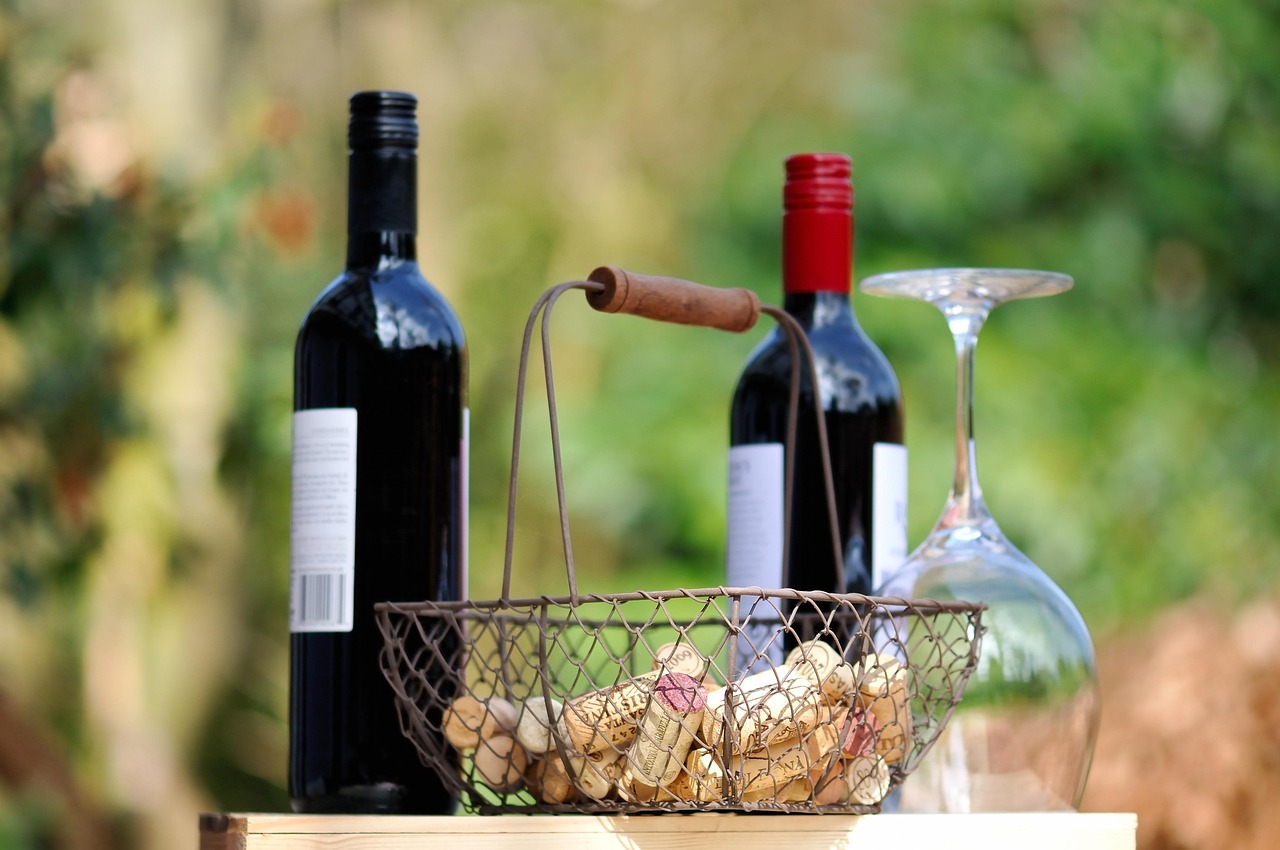
If you are experimenting with effervescent styles beyond traditional whites, it helps to review instructions on how to serve sparkling red wine for optimal enjoyment.
Food Pairing Principles for Effervescent Wines
High Acidity and Salinity Pairings
The high natural acidity found in most sparkling wines acts as a natural palate cleanser when paired with rich foods. Salinity and briny flavors found in oysters, shellfish, and cured fish complement crisp mineral-driven styles exceptionally well.
The contrasting textural interplay between sharp acidity and ocean-derived salt creates a balanced culinary synergy. This fundamental pairing principle works consistently across various regional styles, enhancing both the food and the wine simultaneously.
Rich, Fried, and Fatty Foods
Effervescence and acidity cut effortlessly through heavy fats, oils, and fried preparations. Crispy appetizers like tempura, potato chips, and fried chicken find an ideal culinary partner in dry brut sparkling wines, cleansing the palate between bites.
The scrubbing action of carbon bubbles resets taste receptors, preparing them for subsequent rich morsels. This makes sparkling wine one of the most versatile beverage options for diverse appetizer spreads and casual party hosting.
Pairing Sweeter Styles with Cuisine
Sweeter sparkling wine styles, such as extra dry or demi-sec, require thoughtful food pairing to avoid overwhelming sweetness. Pairing these wines with slightly spicy dishes, fruit-based salads, or moderately sweet pastries creates a balanced flavor equilibrium.
The residual sugar in the wine softens the heat of spicy ingredients, while the balancing acidity prevents the dish from feeling overly heavy. Careful pairing ensures that sweetness enhances rather than detracts from the meal.
Frequently Asked Questions
What is the main difference between Champagne and other sparkling wines?
Champagne is a specific sparkling wine produced exclusively within the designated Champagne region of France using strict traditional methods and authorized grape varieties. Other sparkling wines, while sharing similar effervescent qualities, are produced globally using diverse grapes and regional techniques.
How long can unopened sparkling wine be stored safely?
Most non-vintage sparkling wines are intended for consumption upon release and do not improve significantly with extended bottle age. Vintage-dated premium cuvees, however, can often mature gracefully for several years when stored properly in cool, dark environments.
Does the pop of a cork indicate a better sparkling wine?
A loud pop actually indicates rapid pressure loss and improper opening technique rather than superior wine quality. Professional service emphasizes a quiet, gentle hiss when removing the cork to preserve carbonation within the liquid.
Can sparkling wines be paired with red meats?
While traditional pairings favor lighter fare, certain structured, fuller-bodied sparkling red wines like Lambrusco pair wonderfully with cured meats and richer roasts. High acidity and gentle tannins cut through proteins effectively.
What causes bubbles to form continuously in a glass?
Bubbles form around microscopic imperfections on the interior surface of glassware called nucleation sites. Carbon dioxide molecules dissolved in the liquid gather at these specific points, forming rising streams of effervescence.
Is there a difference between Prosecco and Cava production?
Yes, Prosecco utilizes the tank method in large stainless steel vessels to preserve fresh fruit aromatics, whereas Spanish Cava relies on the traditional bottle-fermentation method to develop complex, biscuity yeast characteristics.