Exploring sparkling rosé tasting notes involves examining the distinct sensory profile of pink sparkling wines, which typically combine crisp acidity with vibrant red fruit characteristics. Independent educational guides approach these beverages by analyzing grape composition, secondary fermentation methods, and structural balance rather than relying on promotional marketing claims.
Understanding these sensory attributes allows enthusiasts to evaluate aroma compounds, effervescence persistence, and sweetness levels objectively. By studying the foundational elements of viticulture and winemaking, learners gain a clearer perspective on how specific regional climates and blending techniques influence the final character in the glass.
Understanding Sparkling Wine Styles and Grape Varieties
The Blend Composition of Rosé Sparkling Wines
Rosé sparkling wines are crafted from a variety of traditional grape varieties, most notably Pinot Noir, Chardonnay, and Pinot Meunier. The unique pink hue is achieved either through brief skin contact during pressing or by blending a small proportion of still red wine into a white base cuvée.
Independent educators emphasize examining how individual grape components contribute to the wine. Pinot Noir typically introduces structural weight and red berry flavors, while Chardonnay adds elegance, citrus notes, and linear acidity. The exact proportions vary depending on regional traditions and producer philosophy.
Traditional Method Versus Tank Method Vinification
The production method significantly shapes the texture and bubble persistence of sparkling rosé. The traditional method, or méthode champenoise, induces secondary fermentation inside individual bottles, yielding complex autolytic aromas like brioche and toasted almond alongside fine, persistent bubbles.
Alternatively, the tank method, or Charmat process, conducts secondary fermentation in large pressurized stainless steel vessels. This approach preserves primary fruit freshness and floral aromatics, resulting in a vibrant style that prioritizes clean, fruit-forward tasting notes over extended aging complexity.
Evaluating Red Fruit Profiles in Sparkling Rosé
When reviewing sparkling rosé tasting notes, structural descriptors frequently center on distinct red fruit expressions. Strawberries, raspberries, and red cherries dominate the aromatic and palate profiles, often supported by subtle hints of citrus peel or white peach depending on the base blend.
Recognizing these fruit notes requires separating primary grape aromas from secondary characteristics derived from yeast contact or malolactic conversion. Educational tastings encourage noting the intensity, freshness, and persistence of these fruit flavors rather than assigning arbitrary quality scores.
Practicing evaluation techniques often involves comparing various bottles and writing comprehensive blind wine tasting notes to refine your palate.
For related wine guidance, see etna rosso tasting notes.
Sensory Evaluation and Tasting Notes Methodology
Visual Examination of Effervescence and Hue
A structured sensory evaluation begins with observing the appearance of the wine in a suitable glass. The color spectrum of pink sparkling wines ranges from pale onion-skin copper to vibrant salmon and deep coral, providing visual clues about skin contact duration and grape varieties used.
The quality of effervescence is assessed by observing bubble size and stream consistency. Finer, slower-rising bubbles typically indicate careful temperature control during fermentation and adequate aging, whereas large, fast-dissipating bubbles suggest rapid carbonation or younger, simpler base wines.
Aromas Associated with Pink Sparkling Wines
Olfactory assessment involves both direct sniffing and evaluating aromas released after gentle swirling. Initial aromas generally feature fresh red berries, citrus zest, and delicate floral notes like rose petal or hawthorn, reflecting the youthfulness of the base cuvée.
As the wine warms slightly in the glass, secondary and tertiary aromas may emerge. These can include notes of fresh pastry, toasted bread, or subtle creaminess, indicating yeast autolysis if the wine underwent extended bottle aging prior to disgorgement and commercial release.
Palate Structure, Acidity, and Dosage Levels
The palate evaluation focuses on the interplay between acidity, alcohol, residual sugar, and tactile carbonation. High natural acidity provides freshness and balance, cutting through the creamy texture created by dissolved carbon dioxide bubbles during the tasting experience.
Dosage, or the addition of a sweetening mixture before corking, determines the final sweetness category, ranging from bone-dry brut nature to demi-sec. Understanding dosage helps explain why certain tasting profiles taste crisp and austere while others display rounder, more approachable fruit weight.
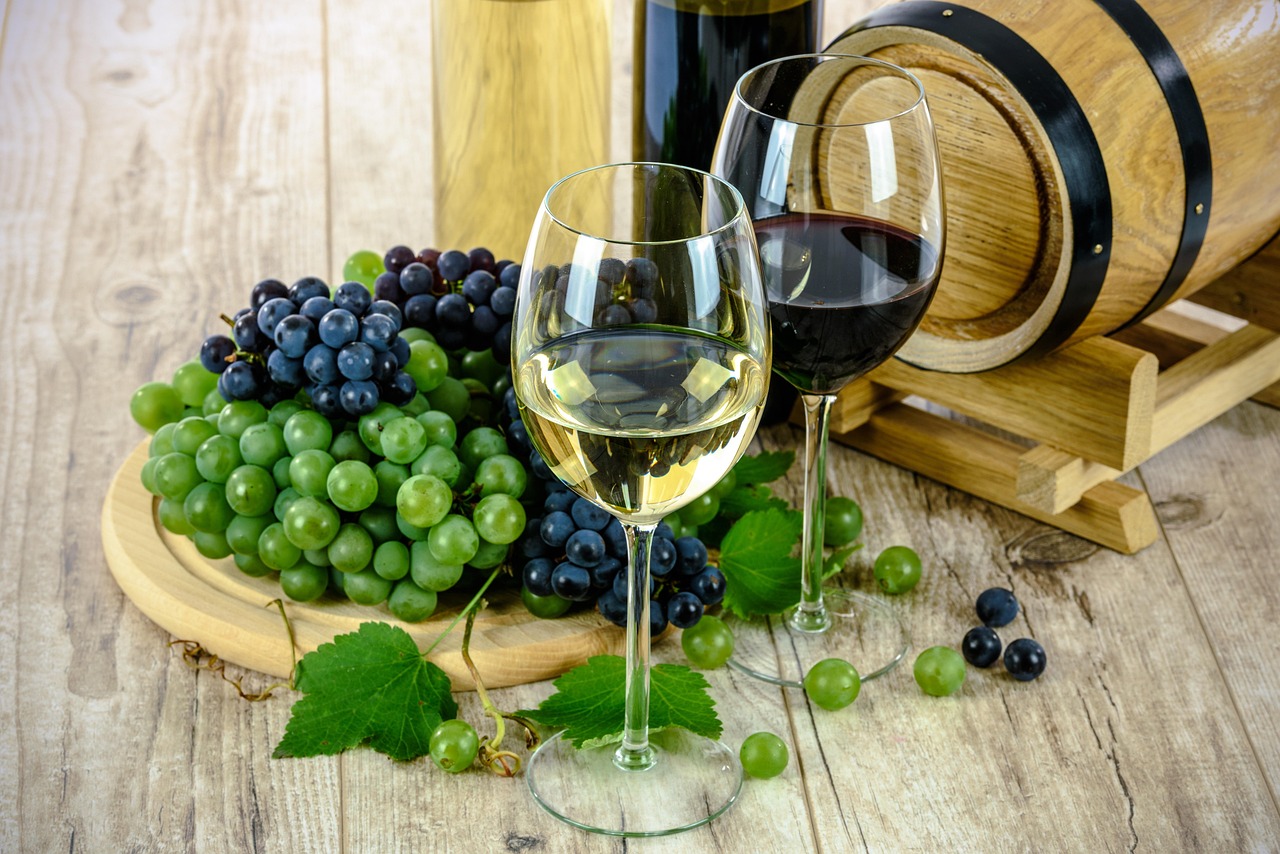
When analyzing the profile of this bubbly, reviewing detailed rose wine tasting notes can help identify subtle red fruit aromas.
Optimal Storage and Temperature Guidelines
Temperature Control for Sparkling Bottles
Serving temperature plays a critical role in how sparkling rosé presents its aromas and flavors. Cooling bottles to between forty-three and forty-eight Fahrenheit preserves the crisp acidity and tightens the bubbles, preventing the wine from feeling overly warm or diffuse.
Over-chilling can suppress delicate fruit aromatics, while serving too warm accentuates alcohol perception and diminishes the refreshing effervescence. Allowing the bottle to rest in a refrigerator or ice bucket for an appropriate duration ensures an optimal tasting temperature.
Humidity and Light Exposure Management
Long-term storage requires specific environmental conditions to protect the wine from premature degradation. Cellars or dark storage spaces should maintain moderate humidity levels to prevent cork desiccation, ensuring a proper seal over extended periods.
Light exposure, particularly ultraviolet rays from sunlight or harsh fluorescent bulbs, poses a significant risk to sparkling wines packaged in clear or pale green glass. Storing bottles in complete darkness prevents light-struck faults that introduce unpleasant sulfur aromas.
Aging Potential for Non-Vintage Rosé
Most non-vintage sparkling rosés are designed for immediate consumption upon release, when their primary fruit flavors and vibrant acidity are most prominent. These wines do not benefit from extended cellaring and should be enjoyed while fresh.
Vintage-dated sparkling wines or high-end prestige cuvées may possess the structural complexity and acidity required for mid-term aging. Over time, these bottles develop deeper autolytic characteristics, shifting from fresh red fruit toward dried fruit, honey, and nutty complexity.
Culinary Pairings for Sparkling Rosé
Pairing with Seafood and Shellfish Dishes
The natural high acidity and effervescence of sparkling rosé make it a versatile companion for a wide range of seafood. Dishes featuring grilled shrimp, seared scallops, or delicate white fish benefit from the wine’s ability to cleanse the palate between bites.
Rich preparations, such as lobster or salmon dishes, find balance against the structured red fruit notes and creamy mousse of the wine. The carbonation acts as a palate cleanser, contrasting with rich fats and oils in culinary applications.
Balancing Acidity with Cured Meats and Cheese
Charcuterie boards featuring prosciutto, bresaola, and mild salami pair effectively with dry pink sparkling styles. The acidity cuts through the cured fat, while the subtle red fruit flavors complement the savory character of the meats.
Soft and semi-soft cheeses, including goat cheese, brie, and young gouda, offer harmonious pairings. The crisp framework of the wine contrasts with the creamy dairy textures, creating an engaging balance of weight and refreshment during a meal.
Complementing Light Desserts and Fruit Tarts
When pairing sparkling rosé with sweets, matching the sweetness level of the wine to the dessert is essential. Demi-sec styles complement fruit tarts, berry pavlova, or light pastry desserts without tasting overly sweet or disjointed.
Dry brut styles can also work with fresh, ripe berries or minimally sweetened fruit salads, where the natural acidity enhances the fruit’s inherent sweetness without overwhelming the delicate flavor profile of the dish.
Introductory Viticulture and Harvest Principles
Climate Influences on Cool-Climate Grapes
Sparkling wine production typically relies on grapes harvested from cool-climate regions where moderate temperatures prevent rapid sugar accumulation. This environment allows grapes to retain high levels of natural malic and tartaric acid while developing complex flavor precursors.
Cool maritime or continental influences help extend the growing season, ensuring even ripening. Viticulturists monitor canopy management to ensure adequate sunlight exposure for color development in red varieties while protecting delicate clusters from excessive heat stress.
Timing the Harvest for Optimal Acidity
Deciding the precise harvest date is one of the most critical decisions in sparkling winemaking. Grapes for sparkling wines are harvested earlier in the season than those intended for still table wines to secure lower potential alcohol and higher acidity.
Field sampling and laboratory analysis track sugar levels and acid degradation daily. Harvesting at the correct moment guarantees that the resulting base wine possesses the necessary backbone to support secondary fermentation and long-term balance.
Gentle Pressing Techniques for Rosé Juices
Extracting juice for rosé sparkling wine requires specialized pressing equipment to control color and tannin extraction. Whole-cluster pressing is frequently employed to minimize skin contact and prevent harsh phenolics from entering the base wine.
Pneumatic presses apply gradual, gentle pressure, allowing winemakers to separate free-run juice from pressed fractions. This meticulous control ensures the juice remains clean, pale in color, and structurally sound for subsequent fermentation stages.
Frequently Asked Questions
What defines the style of sparkling rosé tasting notes?
Descriptions of sparkling rosé typically emphasize a refreshing balance of crisp acidity, fine effervescence, and prominent red fruit characteristics such as strawberry, raspberry, and subtle citrus notes. These evaluations focus on structural elements like dosage levels, blending proportions, and vinification techniques.
How is the pink color achieved in sparkling rosé?
The pink color in sparkling wine is generally produced through two primary methods: brief skin contact of red grapes during pressing, or blending a measured amount of still red wine into a white base cuvée prior to secondary fermentation.
Should sparkling rosé be aged before opening?
Most non-vintage sparkling rosés are crafted for immediate consumption to preserve fresh fruit flavors and vibrant acidity. They do not improve with extended bottle aging and are best enjoyed young upon commercial release.
What temperature is ideal for serving sparkling rosé?
The optimal serving temperature ranges between forty-three and forty-eight Fahrenheit. This temperature range maintains crisp acidity and keeps the effervescence tight without muting the delicate aromatic profile of the wine.
What foods pair well with pink sparkling wine?
Sparkling rosé pairs well with seafood, shellfish, cured meats, soft cheeses, and fruit-based desserts. Its natural acidity and carbonation act as effective palate cleansers when served alongside rich or savory dishes.
What is the difference between traditional and tank methods?
The traditional method conducts secondary fermentation inside individual bottles, creating autolytic notes like brioche and fine bubbles. The tank method uses large pressurized vessels, preserving primary fruit freshness and floral aromatics.