
Cabernet Sauvignon is a classic red grape variety known for a structure built on moderate to high levels of acidity, firm tannins, and deep phenolic compounds. Understanding the cabernet sauvignon acidity level is essential for evaluating how this prominent structural component interacts with alcohol, fruit extract, and wood aging to create a balanced wine.
In independent wine education, acidity is evaluated not as a standalone metric, but as part of an integrated matrix of organic acids like tartaric, malic, and succinic acids. These natural compounds provide structural backbone, preserve freshness, and influence both the immediate tasting experience and the long-term aging potential of the bottled wine.

Defining Cabernet Sauvignon Acidity Within Structural Profiles
Primary Acid Compounds in Red Grapes
The total acidity found in Cabernet Sauvignon is primarily composed of tartaric acid and malic acid, alongside smaller amounts of citric and succinic acids. Tartaric acid is the most abundant and stable acid specific to grapes, playing a major role in determining the overall crispness and structural framework of the finished wine.
Malic acid is also present during early berry development, though its concentration typically decreases as the fruit ripens and undergoes cellular respiration on the vine. Understanding these individual compounds helps educators explain why certain Cabernet styles taste brighter while others present a softer, rounder profile.
Titratable Acidity Versus pH Measurements
When analyzing the cabernet sauvignon acidity level, wine professionals look at two distinct metrics: titratable acidity and pH. Titratable acidity measures the total concentration of available hydrogen ions and free acids, expressed in grams per liter. It reflects the quantity of acid present in the sample.
Conversely, pH measures the active chemical strength of hydrogen ions on a logarithmic scale. A lower pH indicates a more acidic environment, which is crucial for microbial stability and color expression. Both metrics are required to fully understand a wine’s actual acidity profile and behavior.
Regional Variations in Acid Retention
Climate significantly influences how Cabernet Sauvignon retains its natural acidity. Cooler growing regions often slow down sugar accumulation while allowing the grape vine to retain higher acid levels, resulting in wines with vibrant freshness and lower potential alcohol levels.
In contrast, warmer viticultural zones accelerate grape maturation, leading to lower titratable acidity and higher pH values. Independent study of these regional tendencies demonstrates how geography and climate directly shape the chemical composition and sensory expression of every bottle.
To explore comparative tannin structures and tartness profiles, you might evaluate any preferred wine similar to cabernet sauvignon alongside your current bottle.
Viticultural Influences on Grape Acidity Development
Climate, Temperature, and Respiration Rates
During the growing season, ambient temperatures dictate the rate at which grape vines consume malic acid through respiration. During hot nights, vines respire at an accelerated rate, burning through malic acid reserves quickly and resulting in lower final acidity levels in the harvested fruit.
Cooler nighttime temperatures preserve these organic acids, allowing the grapes to maintain a balanced acid profile even as sugar levels rise. Vineyard managers monitor these diurnal temperature shifts closely to gauge optimal harvest windows for balanced fruit composition.
Canopy Management and Sunlight Exposure
Canopy management practices directly impact the microclimate surrounding grape clusters. Excessive shading can reduce photosynthetic efficiency and alter acid accumulation, while targeted leaf removal exposes clusters to sunlight and airflow.
Proper sun exposure helps develop robust phenolic compounds and skins, but excessive heat can cause sunburn and rapid acid degradation. Independent viticultural study emphasizes balancing canopy density to protect delicate acid balances during peak ripening phases.
Harvest Timing and Physiological Ripeness
Harvest decisions represent a critical balance between sugar accumulation, tannin maturity, and acid retention. As Cabernet Sauvignon grapes hang longer on the vine, sugars increase, tannins polymerize, and natural acidity steadily declines.
Winemakers must evaluate physiological ripeness against desired stylistic outcomes. Harvesting slightly earlier preserves the desired cabernet sauvignon acidity level, whereas later harvesting yields softer, riper styles with lower acid metrics and higher overall alcohol potential.
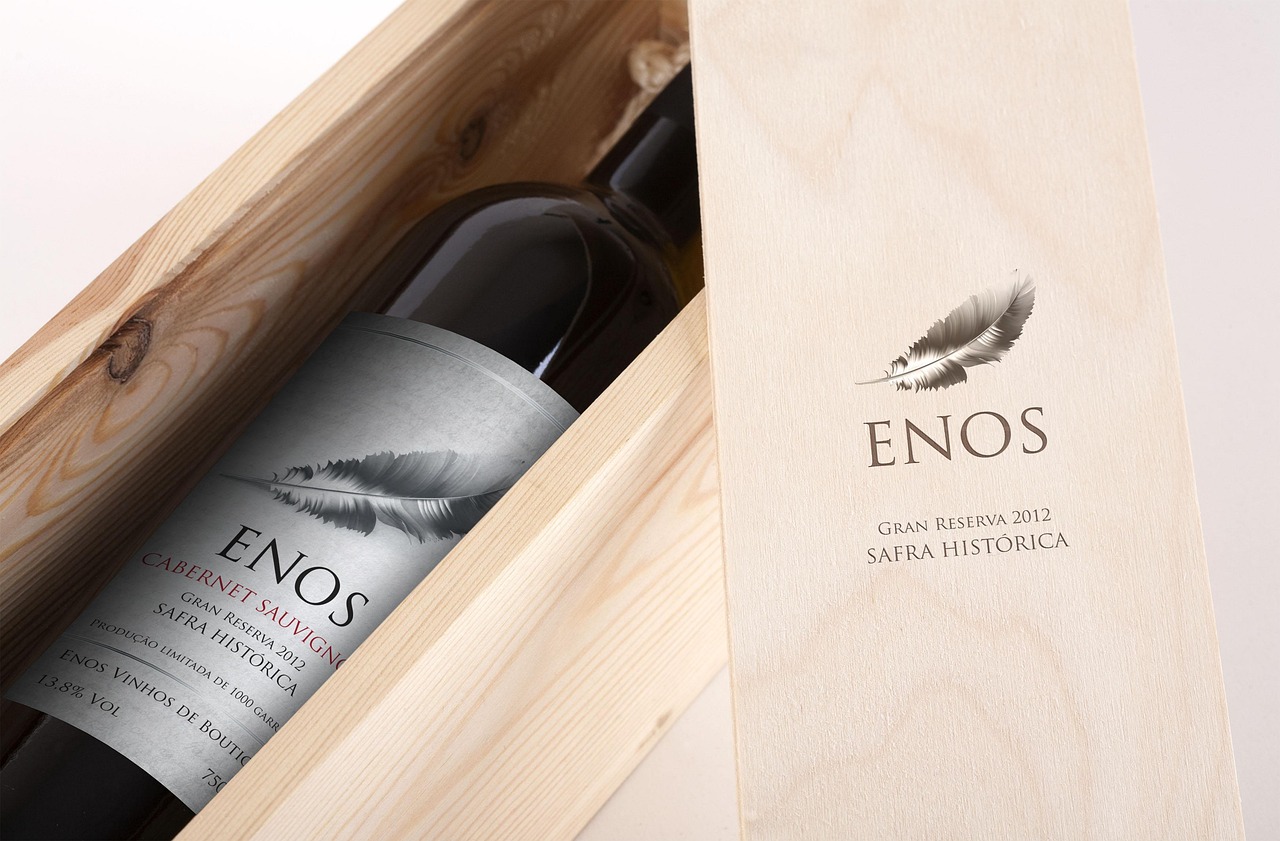
Winemakers often balance natural tartaric levels in the vineyard by utilizing a traditional cabernet sauvignon cabernet franc blend to enhance structural complexity.
Analytical Measurement and Winemaking Adjustments
Laboratory Titration Techniques
Winemakers and laboratory technicians utilize precise titration methods to determine the exact acid content of juice and wine samples. Automated titrators or manual indicator solutions are used to neutralize acids with a strong base of known concentration.
This process yields accurate titratable acidity readings, allowing cellar teams to track maturation progress and evaluate whether intervention is necessary. Precision in these measurements ensures that adjustments are made based on reliable empirical data rather than guesswork.
Managing pH Levels During Fermentation
Monitoring pH during primary alcoholic and secondary malolactic fermentation is vital for wine health. A stable pH prevents spoilage organisms from proliferating and ensures that sulfur dioxide additions remain effective in protecting the wine.
If pH climbs too high, the wine becomes vulnerable to bacterial instability and oxidation. Cellar protocols often involve proactive measures to maintain a healthy pH range throughout the various stages of vinification and barrel aging.
Acidulation and Deacidification Practices
Depending on vintage conditions and legal frameworks, winemakers may adjust wine acidity. Acidulation involves adding tartaric acid to deficient must or wine to restore structural balance, lower pH, and enhance microbial stability.
Conversely, deacidification uses specific mineral salts to reduce excessive sharpness in cool-vintage wines. Educational frameworks examine these cellar interventions objectively, noting how they help achieve stylistic consistency across challenging agricultural seasons.
The Sensory Perception of Acidity in Tasting
Salivation and Palate Stimulation
When tasting wine, organic acids stimulate the salivary glands, creating a refreshing mouthwatering sensation that cleanses the palate. The perceived cabernet sauvignon acidity level interacts directly with tongue receptors, defining the initial attack and liveliness of the wine.
Higher acidity imparts a crisp, energetic mouthfeel, whereas low acidity can make a wine taste flabby or dull. Tasting education focuses on recognizing how this physical reaction contributes to overall structural harmony and structural length.
Balance Between Alcohol, Tannin, and Acid
Acidity does not exist in isolation; it functions within a complex matrix alongside alcohol, residual sugar, and astringent tannins. In Cabernet Sauvignon, pronounced tannins require adequate acid and fruit extract to prevent the wine from feeling excessively harsh or drying.
When these structural elements align harmoniously, the wine feels seamless on the palate. If alcohol is too high and acidity too low, the wine can exhibit a hot, unbalanced profile that diminishes its overall drinking appeal.
The Evolution of Acidity During Bottle Aging
Over years of bottle aging, organic acids undergo subtle chemical changes and esterification processes. While total acid levels remain relatively stable, the perception of acidity often softens as tannins polymerize and secondary aromas develop.
Properly structured Cabernet Sauvignon relies on its initial acid backbone to support decades of slow maturation. Independent educational tasting guides highlight how this structural preservation allows classic wines to maintain freshness over extended aging periods.

When evaluating the structural balance in your glass, understanding what temperature is cabernet sauvignon can significantly alter how you perceive freshness.
Culinary Integration and Food Pairing Mechanics
Matching Acidic Wines with Rich Proteins
The natural acidity in wine acts as a functional tool in food and wine pairing. High-acid beverages naturally complement protein-rich dishes by cutting through dense textures and preparing the palate for the next bite.
Cabernet Sauvignon paired with roasted meats or rich cheeses demonstrates this principle clearly. The structure of the wine bridges the gap between bold flavors and heavy culinary elements, creating a balanced and satisfying dining experience.
Reducing the Perception of Heavy Fats
Fats coat the human palate, dulling taste receptors and making subsequent bites taste heavy. The acidity in Cabernet Sauvignon cleanses this residual fat film, effectively resetting the palate and restoring sensitivity to flavor.
This cleaning mechanism explains why structured red wines pair so effectively with marbled steaks, lamb dishes, and butter-infused reductions. Understanding acid-fat interaction is a fundamental skill taught in independent culinary and beverage training programs.
Acid Interplay with Sauces and Seasoning
Culinary accompaniments like reduction sauces, herbs, and marinades interact significantly with wine structure. When pairing food and wine, matching or complementing intensity levels prevents one element from overpowering the other.
If a dish features high acidity from tomatoes or citrus, a wine with a complementary cabernet sauvignon acidity level maintains harmony. Independent wine guides encourage systematic experimentation to understand these subtle culinary interactions fully.
Frequently Asked Questions
What is the typical acidity range for Cabernet Sauvignon?
Cabernet Sauvignon typically exhibits a titratable acidity range between 5.5 and 7.5 grams per liter, expressed as tartaric acid. The specific measurement varies depending on climate, harvest timing, and vineyard management practices, with cooler regions yielding higher natural acidity levels and warmer regions producing lower metrics.
How does acidity affect the aging potential of Cabernet Sauvignon?
Acidity plays a crucial role in the long-term aging potential of Cabernet Sauvignon by providing chemical stability and microbial protection. A lower pH environment inhibits spoilage bacteria and oxidation, allowing the wine’s fruit compounds and tannins to evolve gracefully over many years in the bottle.
Can winemakers legally adjust the acidity of Cabernet Sauvignon?
Yes, winemakers in many wine regions are permitted to adjust acidity during vinification, subject to local agricultural laws and regulations. Acidulation involves adding tartaric acid to must or wine with low acidity, while deacidification uses approved compounds to reduce excessive sharpness in cool-vintage harvests.
What is the difference between pH and titratable acidity?
Titratable acidity measures the total concentration of available hydrogen ions and free acids present in a wine sample, expressed in grams per liter. Conversely, pH measures the active chemical strength of those hydrogen ions on a logarithmic scale, indicating the overall chemical environment’s stability and resistance to microbial spoilage.
How does climate influence the cabernet sauvignon acidity level?
Climate exerts a profound effect on acid retention through temperature regulation. Cooler climates slow sugar accumulation and reduce malic acid respiration at night, preserving high acid levels. Warm climates accelerate respiration and grape maturation, leading to lower titratable acidity and higher pH values in the harvested fruit.
Why is acidity important when pairing Cabernet Sauvignon with food?
Acidity acts as a palate cleanser that cuts through heavy fats and rich proteins found in food. This structural interaction resets the taste receptors between bites, balancing rich culinary preparations and preventing heavy dishes from feeling fatiguing or overly weighty on the palate.