
The body of the wine refers to the overall weight, fullness, and tactile sensation a wine creates on the palate. Often described as light, medium, or full, this structural characteristic is driven by a combination of alcohol, dissolved sugars, glycerol, and dry extract. Understanding wine body helps tasters anticipate how a specific bottle will feel before tasting, guiding both food pairings and service preparations.
Rather than indicating quality, body simply describes physical density and mouthfeel. A delicate Pinot Grigio feels vastly different on the tongue than a rich, extracted Cabernet Sauvignon. By exploring the underlying scientific factors, grape varieties, and winemaking choices that shape wine weight, enthusiasts can build a more structured vocabulary for evaluating diverse styles.

Defining the Body of the Wine
What Structural Elements Create Wine Body
The body of a wine is primarily a physical perception of weight and viscosity in the mouth, influenced by several measurable components. Water and ethanol form the liquid base, while non-volatile compounds like glycerol, residual sugar, acids, and phenolic compounds add density.
When a wine has higher levels of these dissolved and suspended solids, it registers as heavier or more coating on the palate. This physical sensation is distinct from flavor intensity or aromatic complexity, focusing purely on texture and structural heft.
Alcohol Content and Viscosity Mechanics
Ethanol plays a primary role in defining the perceived body of a wine. Because alcohol contributes a warming sensation and influences solution viscosity, higher alcohol levels naturally push a wine toward a fuller-bodied classification.
Wines below eleven percent alcohol frequently register as light-bodied, while those exceeding fourteen percent often display medium to full body. This relationship explains why warm-climate wines with high grape sugar levels consistently yield heavier, more alcoholic finished styles.
Extract, Phenolics, and Dry Extract Contributions
Dry extract encompasses all the solid matter that remains after a wine’s liquid components are evaporated, including sugars, minerals, non-volatile acids, and phenolics. Red wines typically possess higher dry extract levels than white wines due to extended skin contact and tannin extraction during fermentation.
These extra compounds coat the mouth and create the distinct tactile friction associated with fuller-bodied styles. Consequently, dry extract serves as a reliable chemical marker for evaluating the natural structural weight of any given bottle.
For related wine guidance, see ph of white wine.
Grape Varieties and Their Natural Weight Profiles
Light-Bodied White Grapes and Cool Climates
Certain grape varieties naturally produce lighter-bodied wines due to their inherent chemical composition and propensity for retaining high natural acidity. Grapes grown in cooler wine regions often accumulate lower sugar levels at harvest, resulting in lower potential alcohol and lighter structural weight.
Varieties like Riesling, Sauvignon Blanc, and Pinot Grigio frequently exhibit crisp, refreshing profiles with minimal palate weight. These grapes rely on vibrant acidity rather than alcohol or extract to provide balance and structure.
Full-Bodied White Grapes and Oak Aging
Other white grape varieties possess inherent structural density that lends itself to fuller-bodied expressions. Chardonnay, Viognier, and Marsanne often display a naturally richer texture, which can be further amplified through winemaking techniques like oak aging and lees stirring.
These varieties accumulate higher sugar levels and extract during ripening. When paired with malolactic fermentation, they develop a creamy mouthfeel that accentuates their natural weight, creating broad, substantial white wines.
Red Grape Varieties Across Body Spectrums
Red grape varieties span a wide spectrum of body classifications, largely dictated by skin thickness, seed phenolics, and ripening thresholds. Thin-skinned grapes like Gamay and Pinot Noir typically yield light- to medium-bodied red wines characterized by bright red fruit and lower tannin levels.
Conversely, thick-skinned varieties like Cabernet Sauvignon, Syrah, and Nebbiolo produce deeply colored, high-tannin wines with substantial extract. These thick-skinned grapes naturally generate the robust structural weight expected in full-bodied red categories.
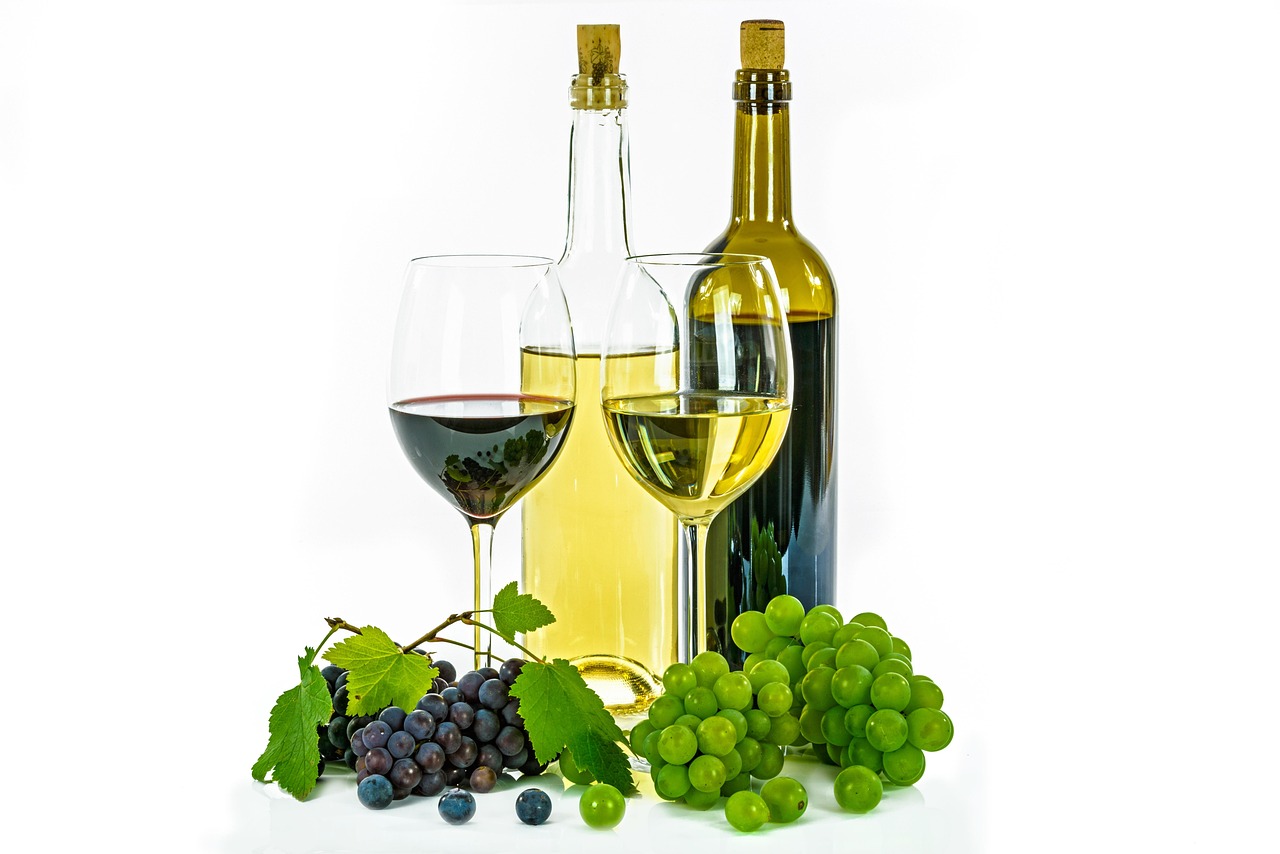
Certain Italian grapes discussed in any pecorino wine food pairing review demonstrate how natural acidity affects perceived heaviness.
Viticultural and Winemaking Influences on Weight
Climate, Sunlight, and Ripeness Progression
Viticultural practices heavily influence the final body of a wine by determining grape composition at harvest. Ample sunlight and warmth accelerate photosynthesis, allowing grapes to accumulate higher sugar levels while reducing malic acid.
Winemakers harvesting fully ripe grapes secure higher potential alcohol levels, which directly translates to increased body in the finished bottle. Conversely, lower vineyard temperatures and shaded canopies yield lower sugars and higher acidity, favoring lighter, more restrained wine styles.
Fermentation Techniques and Skin Contact
Winemaking decisions during fermentation profoundly impact structural weight and mouthfeel. Red wines derive their body primarily from extended maceration, where fermenting juice remains in contact with grape skins, seeds, and stems to extract phenolics and tannins.
White wines usually skip skin contact to preserve freshness, but some producers utilize brief maceration or whole-cluster pressing to build additional texture. Temperature management during fermentation also preserves specific aromatic compounds that contribute to sensory perceptions of richness.
Barrel Maturation and Structural Transformation
Aging wine in oak barrels introduces micro-oxygenation and wood-derived compounds that visibly alter its body. Oak vessels allow slow, controlled evaporation, which concentrates the wine while softening harsh structural elements.
Furthermore, compounds like lactones and tannins leach from the wood into the liquid, adding texture and perceived weight. Winemakers may also stir settled yeast lees during barrel maturation, incorporating proteins that impart a creamy, rounded mouthfeel to the wine.
Serving Temperatures and Glassware Selection
Temperature Impacts on Perceived Weight
Serving temperature significantly alters how a wine’s body is perceived on the palate. Cooler temperatures accentuate acidity and tannin while muting alcohol vapours, making full-bodied wines taste leaner and lighter than they actually are.
Conversely, serving wines too warm can exaggerate the burning sensation of alcohol, throwing the body out of balance and making even moderate wines feel heavy. Proper chilling highlights the intended structural harmony of light, medium, and full-bodied styles.
Glass Shape Mechanics for Aromatic Delivery
Glassware design influences how wine hits the palate and how aromatics are delivered to the nose. Larger bowls with wider openings are traditionally used for full-bodied red wines, allowing ethanol vapors to dissipate while directing the liquid across the entire tongue.
Smaller, narrower bowls preserve delicate aromas in light-bodied whites and concentrate fruit notes. While glass shape does not chemically change a wine’s body, it fundamentally changes the sensory perception of its weight and texture.
Decanting Practices for Concentrated Styles
Decanting serves practical functions for structured, full-bodied wines that possess high tannin and extract levels. Exposing these wines to oxygen softens aggressive tannins and helps integrate high alcohol, making the palate feel smoother and more harmonious.
Older, full-bodied wines also benefit from careful decanting to separate sediment from the clear liquid. This process ensures that heavy textural elements do not interfere with the clean delivery of the wine’s balanced weight.
Food Pairing Principles for Balanced Weight
Matching Intensity and Structural Weight
A foundational principle of successful food and wine pairing is matching the intensity and body of the dish with the weight of the wine. Light-bodied wines pair harmoniously with delicate foods like steamed white fish, while heavy, full-bodied reds can easily overwhelm subtle flavors.
Conversely, a rich, fatty ribeye steak requires a full-bodied red wine with substantial tannins and extract to cut through the richness. Balancing these weights ensures neither the food nor the wine dominates the dining experience.
Acid and Fat Interplay with Heavy Wines
Acidic elements in food and wine act as structural counterweights to high fat and heavy body. A full-bodied white wine with creamy texture requires sufficient acidity to cleanse the palate after consuming rich, buttery dishes.
Similarly, high-acid red wines harmonize effectively with oily meats by cutting through heavy fats and refreshing the tastebuds. Understanding this chemical interplay allows diners to pair substantial wines with hearty foods without feeling weighed down.
Tannin Interactions with Protein and Texture
Tannins, which contribute significantly to the structural body of red wines, interact directly with proteins in food. When consuming high-tannin full-bodied reds alongside protein-rich foods like beef or hard cheeses, the proteins bind to the tannins.
This chemical reaction softens the perceived astringency of the wine, making the tannins feel smoother while enhancing the savory qualities of the meal. Recognizing this interaction helps explain why robust red wines pair exceptionally well with substantial protein dishes.
When balancing heavy meats, exploring a proper wine pairing with porchetta helps illustrate how structural weight functions.
Frequently Asked Questions
What is the main difference between light-bodied and full-bodied wines?
The primary difference lies in the wine’s physical weight, viscosity, and mouthfeel. Light-bodied wines feel delicate and crisp, typically containing lower alcohol levels, minimal residual sugar, and higher acidity. Full-bodied wines feel rich, coating, and heavy on the palate, driven by higher alcohol content, elevated dry extract, and often oak aging or skin contact.
Does a wine’s color determine its body?
While color correlates with body in many instances, it is not a definitive rule. Red wines generally possess more body than white wines due to skin contact and higher tannin extraction. However, certain white wines aged in oak, such as full-bodied Chardonnays, can feel much heavier and more substantial than light, delicate red wines like Pinot Noir.
How does alcohol percentage affect the body of a wine?
Alcohol increases the density and viscosity of a liquid while contributing a warming tactile sensation. Wines with higher alcohol percentages naturally register as fuller-bodied on the palate. Winemakers can intentionally manage this by harvesting grapes at different ripeness stages to target specific alcohol levels and desired body profiles.
Can winemakers alter the body of a wine after fermentation?
Yes, winemakers have several tools to modify body post-fermentation. Techniques such as barrel aging, malolactic fermentation, lees stirring, and blending different lots allow producers to add creaminess, structure, and weight. Conversely, some modern winemaking techniques can reduce excessive extraction if a lighter style is desired.
Why do full-bodied wines require warmer serving temperatures than light wines?
Full-bodied wines benefit from slightly warmer serving temperatures because warmth helps release complex aromatic compounds and softens prominent tannins. Light-bodied wines, however, are served cooler to emphasize their crisp acidity and refreshing fruit profiles, as excess warmth can make them taste flabby and unbalanced.
How does food weight influence wine selection?
Food weight dictates the ideal structural intensity of the accompanying wine to ensure harmony. Heavy, protein-rich, or fatty dishes require full-bodied wines with high extract or tannins to match their density. Delicate foods pair best with light-bodied wines to prevent the beverage from overpowering the subtle flavors of the meal.