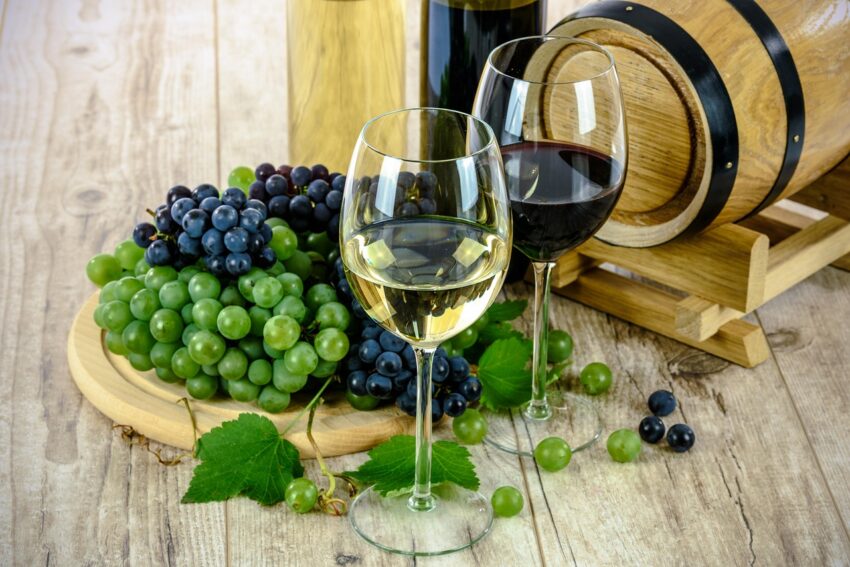
Cabernet sauvignon is ideally served between sixty and sixty-five degrees Fahrenheit, striking a precise balance between structural grip, fruit expression, and alcohol perception. This specific temperature range allows the complex aromatic profile of black currant, cedar, and spice to emerge clearly without being overshadowed by ethanol vapors.
Serving this structured red wine too warm accentuates the alcohol, making the palate feel harsh and unbalanced overall. Conversely, serving it directly from a cold refrigerator mutes the subtle fruit notes and tightens the tannins, resulting in a thin, overly astringent texture that masks the winemaker’s original intent.
Achieving optimal drinking temperatures requires understanding how ambient room conditions influence the liquid inside the glass. Most modern indoor environments sit significantly above traditional cellar baselines, meaning a brief period of chilling is frequently necessary before pulling the cork on a bottle for dinner.
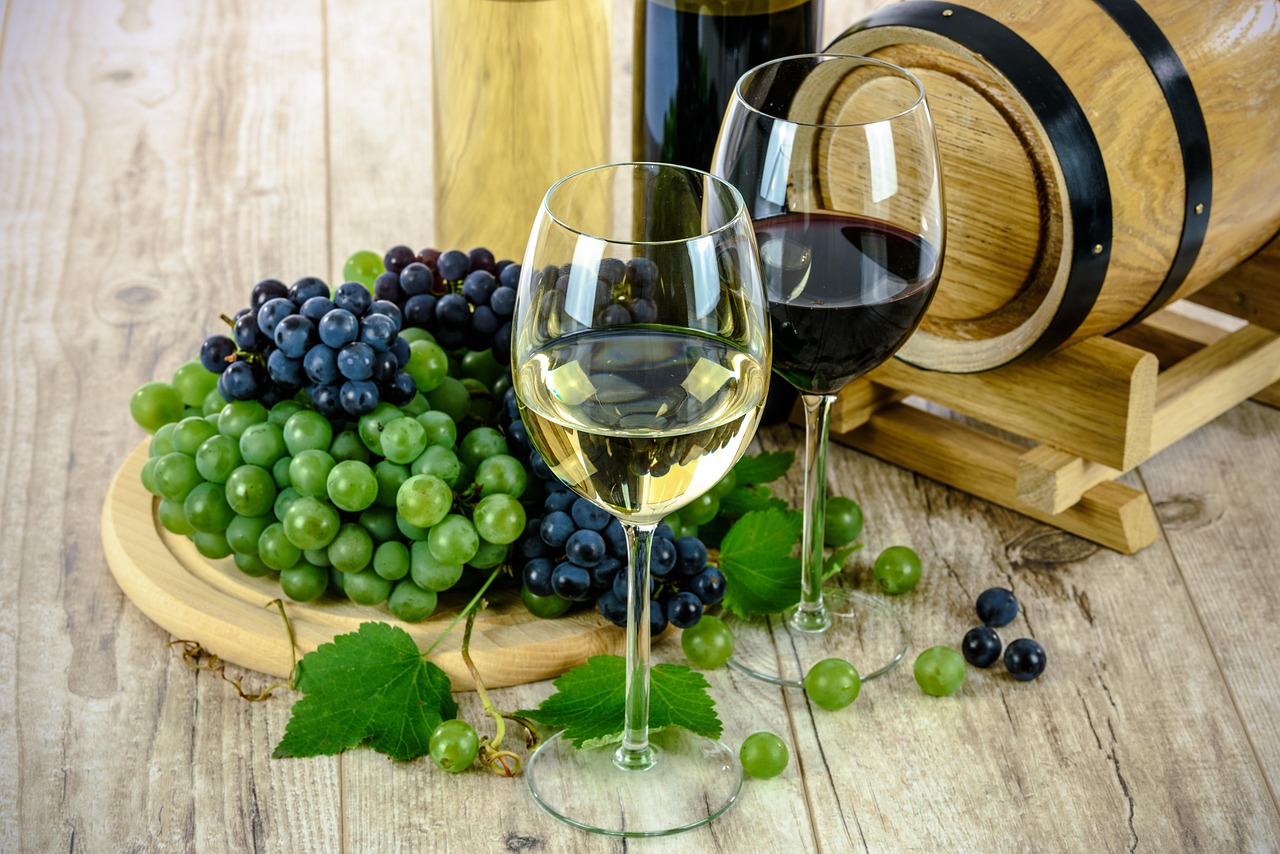
Ideal Serving Temperatures for Full-Bodied Reds
Standard Range for Cabernet Sauvignon
The optimal temperature window for cabernet sauvignon sits firmly between sixty and sixty-five degrees Fahrenheit. This specific thermal range allows the wine to display its characteristic depth, balancing rich fruit extraction against firm structural integrity. When poured within this precise zone, the liquid presents its best aromatic qualities directly to the taster immediately upon serving the glass.
Within this spectrum, the complex flavor profile remains completely harmonious throughout the entire tasting experience. It lets both primary dark fruit notes and secondary oak aging characteristics shine through clearly without any aggressive interference from volatile alcohol vapors or unwanted excessive heat in the mouth.
The Myth of Room Temperature
Modern central heating and insulation often keep residential living spaces around seventy degrees Fahrenheit or even higher indoors. Serving a structured red wine at this modern indoor ambient level is generally much too warm, despite historical European traditions that originally began in drafty stone castles with significantly lower baseline temperatures.
Applying the outdated rule of serving reds at ambient indoor conditions creates a noticeably unbalanced glass of wine. The excess heat amplifies the volatile alcohol compounds negatively, making the beverage taste overly sharp and completely masking the subtle nuances that careful vineyard cultivation and expert winemaking worked hard to achieve.
Adjusting for Seasonal Room Climates
Seasonal environmental changes dictate how much active thermal adjustment a wine bottle requires prior to consumption today. During hot summer months, ambient indoor conditions can easily push a bottled red past its ideal zone within minutes, necessitating a brief stint in a cooler environment before pulling the cork for dinner service.
Conversely, winter months might keep homes at comfortable human levels that still require minimal intervention from the host. Evaluating the surrounding room climate helps determine whether the bottle needs warming up slightly from a cool basement storage area or cooling down from a warm upper kitchen shelving unit safely.
For related wine guidance, see what wines are served at room.
Temperature Effects on Aromas and Flavors
Alcohol Perception and Warmth
Temperature exerts a direct physical influence on how volatile compounds evaporate from the surface of the wine. When a full-bodied red climbs above sixty-five degrees Fahrenheit, ethanol molecules vaporize more rapidly, creating a stinging sensation in the nasal passages and a sharp burning finish on the palate that distracts completely.
Keeping the liquid within the recommended serving bracket suppresses this aggressive volatility naturally. Tasters can then focus on appreciating the layered complexity of dark berries, tobacco leaf, and subtle earthiness without the overwhelming distraction of burning alcohol heat masking the delicate nuances of the vintage.
Tannin Structure and Mouthfeel
Tannins provide the backbone and drying sensation associated with young and aged cabernet sauvignon alike. Temperature shifts alter how these phenolic compounds interact with saliva proteins in the human mouth, changing the perceived texture significantly between a chilled pour and a warm glass.
If the wine is too cold, the tannins feel harsh, blocky, and aggressively astringent on the tongue. Warming the liquid toward the correct target softens these structural elements, allowing the mouthfeel to transition into a velvety, integrated texture that feels smooth and balanced rather than unpleasantly chalky.
Fruit Profile Expression
Primary fruit characteristics serve as the vibrant core of any well-crafted cabernet sauvignon. Temperature variations dictate whether these fruit notes taste fresh and lively or heavy and jammy, depending on how the volatile esters interact with human olfactory receptors during the act of tasting.
Proper chilling acts as a stabilizing force for these delicate aromatic molecules. It prevents baked, overripe fruit characteristics from dominating the profile, ensuring that bright blackberry, cassis, and plum flavors remain prominent, vibrant, and thoroughly refreshing throughout the duration of the meal.

For related wine guidance, see what temperature should merlot be served.
Practical Methods for Chilling and Warming
Refrigerator Cooling Techniques
Standard household refrigerators maintain temperatures well below the ideal red wine zone, typically hovering around thirty-eight degrees Fahrenheit. Placing a bottle inside for too long over-chills the liquid, but utilizing the refrigerator for a carefully timed thirty-minute interval offers an easy method to lower ambient heat successfully.
Monitored timing prevents accidental over-chilling while effectively removing excess warmth accumulated from household heating. Wine enthusiasts often rely on this simple kitchen appliance for quick adjustments, provided they remember to remove the bottle before the internal temperature drops beneath the acceptable threshold.
Ice Bath Adjustments for Speed
When rapid temperature reduction is necessary before dinner, an ice and water bath provides the fastest thermal transfer. Combining equal parts ice and cold water in a bucket creates a medium that cools a warm bottle of cabernet sauvignon efficiently within ten to fifteen minutes.
The fluid motion of cold water surrounding the glass accelerates the cooling process far more effectively than dry air inside a refrigerator. Checking the bottle frequently during this process ensures the wine does not cross the line from pleasantly refreshed into unpleasantly frigid territory.
Gentle Warming from Cellar State
Dedicated wine cellars or unheated basement storage areas frequently hold bottles below the optimal sixty-degree serving mark. Bringing a cold bottle up to the proper temperature requires gentle handling rather than aggressive external heat sources like microwaves or hot water baths.
Allowing the sealed bottle to sit undisturbed on a dining table at standard room temperature for twenty minutes usually provides sufficient gradual warming. This natural thermal transition protects the delicate structural balance and prevents any sudden temperature shocks that might compromise the integrity of the aging wine.
For related wine guidance, see what temperature should malbec be served.
Storage Conditions versus Service Temperatures
Long-Term Storage Baselines
Long-term storage requires conditions drastically different from immediate service temperatures to preserve wine over years or decades. A stable environment hovering around fifty-five degrees Fahrenheit with controlled humidity represents the global standard for protecting bottles from premature aging and chemical degradation.
Storing cabernet sauvignon at these cooler baseline levels prevents the slow oxidation processes from accelerating unnecessarily. However, drinking a wine straight out of a fifty-five-degree cellar often feels slightly too cool, meaning a brief warm-up period remains beneficial prior to pulling the cork.
Transitioning Bottles Before Opening
The journey from a long-term storage facility or home cellar to the dinner table involves a deliberate transition phase. Moving a bottle into a slightly warmer environment ahead of time allows the thermal profile to rise gradually into the ideal sixty to sixty-five degree drinking window.
Planning this transition carefully ensures that the wine reaches its sensory peak right as the meal begins. Ignoring this step forces guests to wait while the glass warms up naturally in their hands, delaying the full appreciation of the aromatic compounds and layered flavors inside.
Temperature Stability Importance
Fluctuations in temperature represent a primary hazard for wine preservation during both storage and transport phases. Rapid shifts cause the liquid inside the bottle to expand and contract, potentially pushing past the cork or drawing air inward through the seal, leading to premature oxidation.
Maintaining a stable environment safeguards the complex chemical bonds responsible for the rich character of cabernet sauvignon. Consistency protects the investment of time and resources required to produce fine wine, ensuring that every bottle opens with its intended structural balance intact.
Frequently Asked Questions
Does Cabernet Sauvignon taste better slightly chilled?
Cabernet sauvignon often tastes vibrant and refreshing when brought to the cooler end of its ideal temperature spectrum, around sixty degrees Fahrenheit. This slight chill tempers the perception of alcohol and tightens the structure just enough to highlight bright fruit notes without muting complexity.
However, chilling the wine past fifty-five degrees begins to work against its natural profile. Over-chilling mutes the aromatic compounds and makes the tannin structure feel harsh, so moderation remains essential when applying cooling techniques to full-bodied red wine varieties during warmer seasons.
What happens if Cabernet Sauvignon is served too warm?
Serving cabernet sauvignon at temperatures exceeding sixty-five degrees Fahrenheit distorts its sensory profile significantly. Ethanol volatilizes rapidly in warm environments, releasing strong alcoholic vapors that overwhelm the nose and create a burning sensation on the palate that overshadows subtle fruit flavors.
Furthermore, elevated warmth makes the wine taste flabby and loose, robbing the structure of its refreshing crispness. The balance shifts away from harmonious dark fruit and oak notes toward a disjointed, heavy impression that diminishes the overall drinking experience during a meal.
Should an opened bottle be refrigerated?
Placing an opened bottle of cabernet sauvignon inside a standard kitchen refrigerator helps slow down the oxidation process significantly after the cork has been pulled. Cooler temperatures inhibit bacterial growth and chemical degradation, preserving the remaining liquid for a day or two longer.
Before pouring the leftover wine on subsequent days, it must be removed from the refrigerator well in advance to shed the excessive chill. Allowing the bottle to warm back up toward the sixty-degree mark restores its aromatic expression and softens the tannins before tasting.