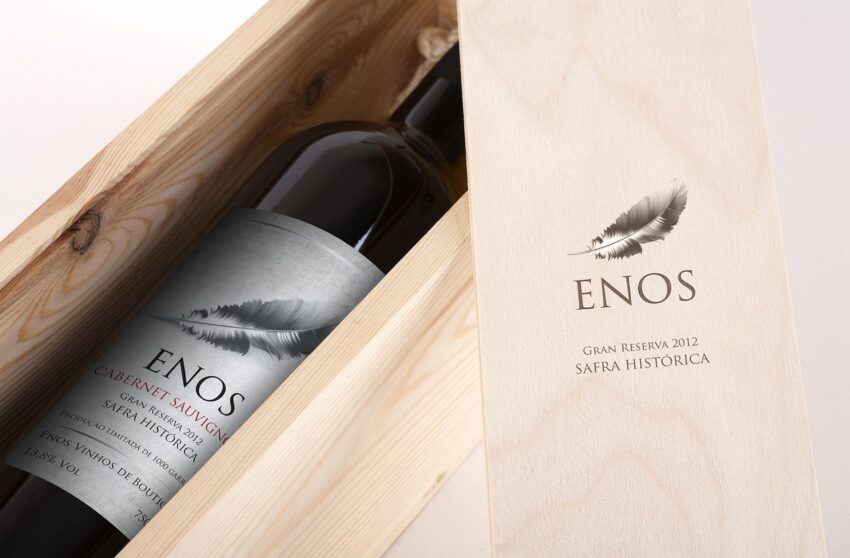
Cabernet Sauvignon should generally not be served heavily chilled, as lower temperatures accentuate tannins and suppress aromatic complexity. The ideal serving range for this robust red variety typically sits between 60°F and 68°F (15°C to 20°C), which highlights its dark fruit profile.
However, if a room is exceptionally warm, a brief twenty-minute cellar cooling can bring the wine down from ambient heat. This minor adjustment restores structural balance, mitigates the dominance of alcohol, and refreshes the palate during warmer seasons.
Temperature and Serving Mechanics for Full-Bodied Reds
Understanding Room Temperature Realities
Modern indoor climate control often creates living spaces that are significantly warmer than traditional wine cellars. Historic guidelines recommending room temperature for red wine assumed ambient temperatures around 65°F rather than modern heated settings.
When Cabernet Sauvignon is exposed to excessive heat, the ethanol becomes more volatile. This masks subtle aromatics and disrupts the natural harmony of fruit, acidity, and structure within the glass.
The Impact of Cold on Tannin Perception
Cooling a robust red wine too much alters the physical sensation of tannins on the human palate. Low temperatures cause phenolic compounds to feel sharper, more astringent, and distinctly bitter.
Because Cabernet Sauvignon naturally contains high levels of skin-derived tannins, over-chilling turns a velvety structure into an unpleasantly drying texture. Maintaining proper serving temperatures preserves the intended mouthfeel.
Methods for Gentle Temperature Adjustment
If a bottle sits in a warm room, placing it in a refrigerator for fifteen to twenty minutes provides a safe cooling method. This drops the core temperature slightly without shocking the liquid.
Avoid rapid cooling devices like ice baths unless attempting to rescue an uncomfortably warm bottle quickly. Gradual thermal adjustment ensures the wine opens up predictably once poured into standard glassware.
Letting the Wine Breathe Before Pouring
Serving temperature interacts directly with aeration. As a cool glass of Cabernet sits on a table, it slowly warms to ambient temperature, releasing layered aromas of blackcurrant, cedar, and graphite.
Allowing the wine to rest in a decanter or large-bowl glass facilitates this gradual warming process. Oxygen exposure softens the young structure while thermal equilibrium enhances the aromatic presentation.
When preparing your bottle, understanding what temperature is cabernet sauvignon helps preserve its complex aromatic compounds.
Grape Characteristics and Tannin Structure
Thick Skins and Phenolic Compounds
Cabernet Sauvignon grapes feature remarkably small berries with thick skins packed with colored pigments and structural phenols. These natural compounds protect the fruit under intense sunlight.
During winemaking, these thick skins transfer substantial tannin and color into the fermenting juice. This chemical composition demands specific aging conditions and influences how the wine responds to serving temperatures.
Natural Acidity Levels in Cabernet
Balanced acidity is a cornerstone of age-worthy red wines. Cabernet Sauvignon retains a moderate to moderately high natural acidity even when harvested at full physiological ripeness.
This acidity provides a structural backbone that cuts through rich foods and balances the wine’s heavy fruit profile. Proper serving temperatures help keep this acidity feeling crisp rather than sharp.
Regional Ripening Variations
Climate heavily dictates the flavor profile and tannin maturity of Cabernet Sauvignon. In cooler regions, herbal notes like bell pepper and mint emerge alongside firmer mineral tannins.
In warmer climates, black fruit jam, eucalyptus, and softer, rounder tannins dominate. Recognizing regional origins helps educators and enthusiasts anticipate how a specific bottle will behave at different temperatures.
Evolution of Aromas in the Glass
Complex red wines transform continuously after being poured. Initial aromatics often feature primary fruit characteristics like blackberry and plum before secondary notes develop.
Secondary and tertiary aromas—such as vanilla, tobacco, leather, and wet forest floor—emerge as the wine interacts with oxygen and reaches its optimal serving temperature range.
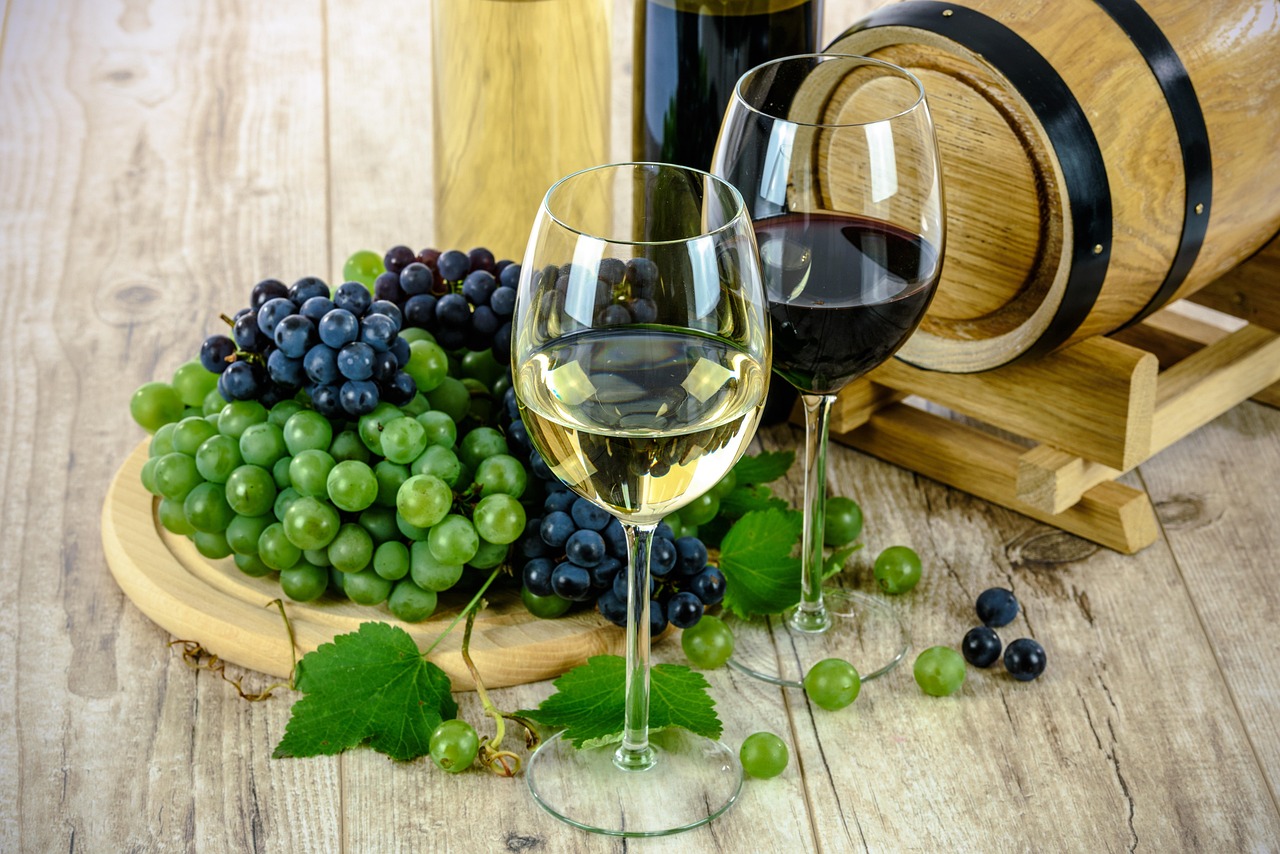
Winemakers often create a balanced cabernet sauvignon cabernet franc blend to soften the intense natural tannins.
Proper Storage and Environmental Controls
Maintaining Consistent Temperature Baselines
Long-term storage requires stability rather than extreme cold. Fluctuating temperatures cause liquid inside the bottle to expand and contract, potentially compromising the cork seal.
An ideal cellar maintains a steady temperature between 55°F and 58°F. Avoiding rapid thermal shifts protects the delicate chemical bonds that govern wine aging over many years.
Humidity Management for Cork Preservation
Natural cork closures require controlled ambient humidity to remain elastic and effective. Relative humidity levels between 55 and 75 percent prevent corks from drying out and shrinking.
Excessive dryness lets unwanted oxygen enter the bottle prematurely, while overly damp conditions can foster mold growth on labels and packaging materials without harming the sealed liquid.
Protection from Ultraviolet Light Exposure
Ultraviolet rays from sunlight and harsh fluorescent lighting degrade organic compounds within wine. Photochemical reactions can quickly introduce unpleasant sulfur off-flavors.
Storable red wines are typically bottled in dark green or amber glass to filter out damaging light. Storing bottles in dim or completely dark environments ensures chemical preservation.
Vibration Minimization in Storage Spaces
Constant mechanical vibrations disturb the sediment settling process in aged red wines. Micro-movements can accelerate chemical reactions and alter the natural maturation timeline.
Dedicated wine storage units feature vibration-dampening compressors or rely on passive shelving solutions to isolate bottles from household activity and heavy foot traffic.
Food Pairing Principles for Cabernet Sauvignon
Balancing Proteins and Heavy Tannins
The high tannin content in Cabernet Sauvignon binds effectively to dietary proteins. This chemical interaction softens the drying sensation of the wine on the palate.
Pairing the wine with rich proteins like beef, lamb, or aged hard cheeses creates a harmonious balance where the food softens the tannins and the wine cuts through rich fats.
Managing Salt and Fat Interactions
Salt enhances perceived fruit flavors and dampens bitterness in wine. Dishes featuring well-seasoned meats provide an ideal counterpart to structured red wines.
High fat content coats the palate, which is cleansed efficiently by both the alcohol and acidity found in a standard glass of Cabernet Sauvignon, preparing the taste buds for another bite.
Avoiding Overly Spicy or Sweet Clashes
Heat from chili peppers clashes aggressively with high alcohol and tannin levels, amplifying burning sensations and muting delicate fruit flavors in the wine.
Similarly, sweet sauces can make dry red wines taste thin, metallic, and overly astringent. Savory, herbaceous seasonings complement the natural profile of the grape much better.
Working with Earthy and Herbal Elements
Cabernet Sauvignon frequently displays herbal and earthy undertones, including notes of green olive, cedar, thyme, and graphite. Matching these flavors enhances the dining experience.
Incorporating rosemary, thyme, or mushrooms into the meal bridges the gap between the plate and the glass, creating a seamless culinary combination.
Viticulture and Winemaking Influences
Canopy Management and Sunlight Exposure
Vineyard managers use strategic canopy management to ensure grape clusters receive adequate sunlight and airflow. Proper leaf removal prevents fungal diseases and reduces vegetative green flavors.
Controlled sunlight exposure encourages thicker skins and optimal phenolic ripeness, laying the groundwork for a rich, well-structured final wine style.
Fermentation Vessel Choices and Oak Aging
Winemakers ferment Cabernet Sauvignon in stainless steel tanks, concrete vats, or oak casks depending on their desired flavor profile and structural goals.
Subsequent aging in oak barrels introduces micro-oxygenation, softening tannins and imparting secondary notes of vanilla, clove, and toast without overpowering the core fruit character.
Extraction Techniques During Maceration
During fermentation, winemakers manage skin contact through pump-overs or punch-downs. These methods extract color, flavor compounds, and tannins from the grape skins into the liquid.
The intensity and duration of these extraction techniques determine whether the resulting wine is approachable in its youth or built for decades of cellar aging.
Blending Traditions and Varietal Laws
While often bottled as a single-varietal wine, Cabernet Sauvignon is historically part of the classic Bordeaux blend alongside Merlot, Cabernet Franc, Petit Verdot, and Malbec.
Blending allows winemakers to adjust acidity, round out mid-palate textures, and enhance aromatic complexity based on the specific growing conditions of each harvest year.
European regions often produce a distinct french wine similar to cabernet sauvignon through traditional fermentation techniques.
Frequently Asked Questions
Does chilling Cabernet Sauvignon permanently ruin the wine?
Chilling Cabernet Sauvignon does not permanently damage the liquid inside the bottle. Cooling simply causes the chemical compounds and tannins to contract and tighten temporarily. Once the bottle returns to a proper serving temperature between 60°F and 68°F, the original balance, fruit flavors, and aromatic profile fully recover without any lasting negative impact on quality.
How long should a warm bottle of Cabernet stay in the fridge?
A warm bottle of Cabernet Sauvignon generally needs only fifteen to twenty minutes in a standard household refrigerator to drop from an overly warm room temperature into the ideal serving range. This brief duration cools the liquid gently without freezing the outer edges or causing the tannins to become unpleasantly harsh when first poured into the glass.
Why do restaurants sometimes serve red wine too warm?
Restaurants often store red wine in ambient service areas or dining rooms where modern heating keeps the environment around 70°F to 72°F. Historic wine traditions assumed cooler room temperatures of 65°F. Consequently, modern indoor climates cause many full-bodied red wines to be served warmer than is optimal for highlighting their structure and complex fruit characteristics.
Can you use ice cubes to cool down Cabernet Sauvignon quickly?
Adding ice cubes directly to Cabernet Sauvignon is discouraged because melting ice dilutes the wine, altering its alcohol concentration, acidity, and delicate structural balance. If rapid cooling is necessary, submerging the bottle in an ice-water bath for five minutes provides a much safer thermal adjustment without altering the liquid composition or flavor dilution.
What happens to wine tannins when the temperature drops?
Lower temperatures increase the physical perception of astringency and bitterness in grape tannins. Because Cabernet Sauvignon naturally features high levels of these phenolic compounds, chilling the wine too much transforms a smooth, velvety mouthfeel into a harsh, drying texture that masks the underlying fruit flavors and pleasant aromatic qualities of the beverage.
Is there any benefit to drinking Cabernet Sauvignon slightly chilled?
During hot summer months or in exceptionally warm indoor environments, serving Cabernet Sauvignon at the cooler end of its ideal range around 60°F can be refreshing. A slight chill helps mitigate the perception of high alcohol and accentuates the natural acidity, provided the wine is not chilled to the point where its rich fruit profile becomes completely muted.