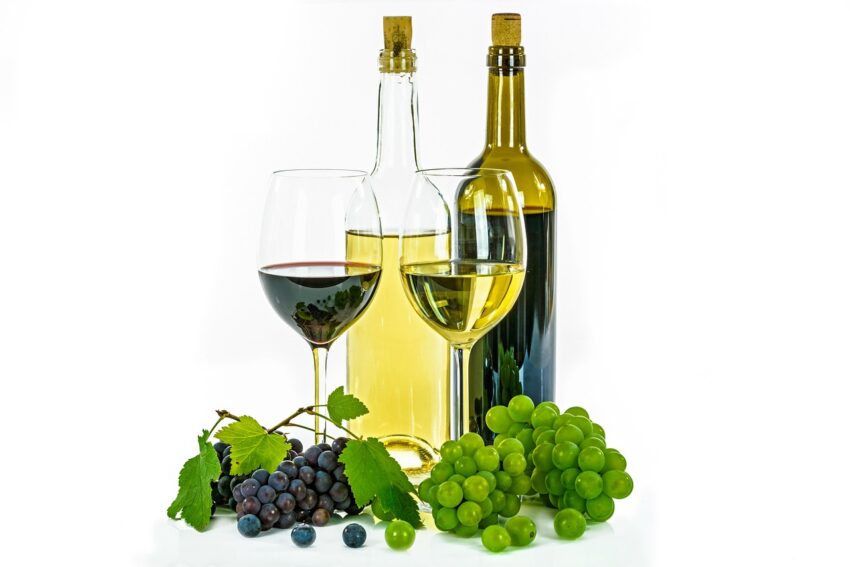
When discussing what wines are served at room temperature, traditional wisdom points primarily toward structured red varieties. Historical room temperature references originate from European castles and stone dwellings, which naturally hovered between sixty and sixty-five degrees Fahrenheit.
Modern residential heating often pushes interior spaces well past seventy degrees Fahrenheit. Serving most wines at modern room temperature can accentuate alcohol heat and dull nuanced fruit aromas, making slight thermal adjustments necessary for optimal tasting experiences.
Full-bodied red wines handle ambient indoor conditions better than lighter styles, yet even robust bottles benefit from brief cooling if your living space runs unusually warm. Understanding proper serving ranges ensures that structural elements remain balanced in the glass.
Traditional Cellar Conditions Versus Modern Living Spaces
Defining Historical Ambient Temperatures
The concept of room temperature in wine service dates back centuries before central heating and air conditioning existed. European dining rooms and wine cellars in older stone buildings maintained naturally cool microclimates, hovering consistently in the lower sixties.
This historical standard allowed red wines to express their complex aromatics and integrated tannins without thermal interference. Recognizing this baseline helps modern consumers understand why literal room temperature today often differs significantly from historical benchmarks.
The Impact of Modern Central Heating
Contemporary homes maintain indoor temperatures frequently ranging from seventy to seventy-five degrees Fahrenheit for human comfort. Unfortunately, this level of warmth is detrimental to the chemical stability and aromatic balance of most bottled wines.
When a bottle sits in a warm modern living room for hours, the liquid absorbs ambient heat rapidly. This elevation alters the volatile compounds, causing the alcohol to dominate the tasting profile and masking the subtle characteristics of the grape variety.
Identifying True Thermal Baselines
Establishing an accurate thermal baseline requires looking beyond household thermostats to measure the actual temperature of the wine bottle. Ambient ranges between sixty and sixty-five degrees Fahrenheit remain the gold standard for most complex red wines.
If a room feels comfortable in a t-shirt, it is likely too warm for proper red wine service, as well as for long-term cellar storage. Utilizing a simple infrared thermometer or an insulated wrap helps verify whether a bottle has reached the correct thermal zone before pouring.
For related wine guidance, see what temperature should merlot be served.
Red Wine Varieties Best Suited for Ambient Service
Full Bodied Reds Like Cabernet Sauvignon
Cabernet Sauvignon and similar high-tannin heavyweights are classic examples of wines served at cooler ambient temperatures. Their thick skins and robust structural frameworks require a degree of warmth to soften firm tannins and release dark fruit notes.
At proper cellar-adjacent temperatures, these structured varieties display a harmonious interplay between acidity, fruit concentration, and oak influence. Allowing them to warm slightly past refrigeration brings out their signature complexity without overwhelming the palate.
Medium Bodied Options Including Merlot
Medium-bodied reds such as Merlot and Sangiovese occupy a versatile middle ground in wine service. They possess enough structural weight to avoid feeling thin at cooler room temperatures, yet they can easily turn flabby if allowed to bake in excessive heat.
Keeping these wines slightly below modern indoor ambient levels preserves their vibrant cherry and plum fruit profiles. Moderate warmth helps integrate their smoother tannins, ensuring a velvety texture that enhances food pairing versatility during meals.
Earthier Styles Such As Syrah And Nebbiolo
Wines known for prominent savory, herbal, and earthy characteristics require careful temperature management to shine. Syrah, Nebbiolo, and Tempranillo showcase distinct leather, spice, and mineral notes that flourish when the wine is neither too cold nor too warm.
Excessive heat mutes these delicate savory compounds, leaving only a harsh alcoholic impression. Maintaining a moderate ambient service temperature allows the aromatic complexity of these distinct varietal profiles to emerge clearly in the glass.
For related wine guidance, see what temperature is cabernet sauvignon served.
The Science Of Tannin And Temperature Interaction
How Heat Affects Tannin Perception
Tannins are naturally occurring phenolic compounds that provide structure and astringency in red wines. Temperature strongly influences how the palate registers these compounds: lower temperatures accentuate astringency and bitterness, making tannins feel rougher and more drying against the palate.
Gentle warmth softens the perception of astringency, explaining why structured red wines are traditionally enjoyed near cellar-ambient temperatures rather than refrigerator-cold. Within the sixty to sixty-five degree range, tannins frame the wine pleasantly without overwhelming the palate or becoming lost beneath excessive alcohol vapor.
Alcohol Volatility At Elevated Temperatures
Ethanol has a lower boiling point and higher vapor pressure than water, meaning it evaporates more quickly as temperature increases. In a wine served above sixty-five degrees Fahrenheit, alcohol molecules volatilize rapidly, releasing sharp vapors that mask delicate aromas.
This phenomenon explains why overly warm red wines often taste hot or burning on the finish. Keeping bottles at a moderate baseline prevents alcohol from dominating the sensory profile, letting secondary and tertiary aromas develop properly.
Balancing Fruit Expression With Warmth
The perception of fruit flavors in wine shifts dramatically depending on thermal conditions. Moderate warmth helps volatile fruit esters emerge from the glass, creating a rich and inviting aromatic display for enthusiasts exploring different varietal styles.
However, crossing the threshold into excessive warmth causes fruit notes to taste cooked, stewed, or jammy. Maintaining precise control over serving temperatures ensures that vibrant berry and plum characters remain fresh, lively, and well-balanced.
For related wine guidance, see ideal temperature to serve white wine.
Practical Adjustment Techniques For Proper Service
Cooling Overly Warm Red Wines Briefly
When living spaces exceed comfortable cellar ranges, red wine bottles require quick intervention before service. Placing a bottle in a refrigerator for twenty to thirty minutes effectively lowers the internal liquid temperature to an ideal range.
Alternatively, an ice bath containing water and ice cubes chills a bottle rapidly within ten minutes. This simple adjustment corrects modern thermal inflation, restoring balance to robust reds before guests or diners pour their first glass.
Warming Chilled Bottles Naturally
Wines stored in dedicated temperature-controlled cellars or refrigerators often require gentle warming before they reach optimal ambient serving levels. Allowing the bottle to sit undisturbed on a countertop for a short period permits gradual thermal adaptation.
Avoid artificial rapid warming methods such as microwave ovens or immersion in hot water, which can cook the wine and ruin its structural integrity. Natural ambient adjustment protects delicate chemical compounds from destructive thermal shock.
Monitoring Pouring Temperatures Accurately
Ensuring consistent wine service relies on accurate measurement rather than guesswork. Ring thermometers designed to wrap around wine bottles provide a continuous visual reference of the liquid temperature inside the glass vessel.
Digital infrared devices offer another non-invasive method to scan the exterior of a bottle quickly. Incorporating these simple tools into hosting routines removes uncertainty and guarantees that every pour meets optimal educational standards.
Frequently Asked Questions
Should all red wines be served at room temperature?
Not all red wines thrive at ambient room conditions. Lighter styles with high acidity and low tannins, such as Beaujolais, Pinot Noir, and Zweigelt, actually taste much better when served slightly chilled, around fifty-five degrees Fahrenheit.
Subjecting these delicate, fruit-forward reds to modern seventy-degree room temperatures causes them to lose their crispness and structural balance. Reserve cooler ambient service primarily for medium- to full-bodied, structured varieties like Cabernet Sauvignon, Merlot, and Syrah.
Can white wines ever be served without refrigeration?
Most white wines require refrigeration to accentuate their refreshing acidity, crisp citrus flavors, and mineral components. Serving a standard Chardonnay or Sauvignon Blanc at warm ambient room temperatures results in a flabby, unbalanced, and heavy tasting profile.
However, exceptionally full-bodied, aged white wines or heavy orange styles can occasionally tolerate a slight reduction in chill. Letting them warm up marginally above standard refrigerator temperatures can help unlock complex nutty and honeyed aromas safely.
What happens if a wine is served too warm?
Serving wine at excessive temperatures disrupts its fundamental chemistry in noticeable ways. The primary negative effect is the amplification of ethanol evaporation, which creates an unpleasant burning sensation on the nose and an overly hot finish.
Additionally, warmth flattens refreshing acidity and makes fruit notes taste baked or confected. The wine loses structural tension, and ethanol fumes overwhelm the palate, destroying the smooth equilibrium intended by the winemaker during the production process.
How long can a red wine sit out at modern room temperature before it suffers?
When a structured red wine sits in a modern living room exceeding seventy degrees Fahrenheit, internal liquid temperatures rise noticeably within just one to two hours. Prolonged exposure to this excessive warmth accelerates chemical oxidation processes and disrupts the delicate balance of volatile organic compounds defining the varietal profile.
While a brief hour on the dining table will not permanently ruin a robust Cabernet Sauvignon, leaving bottles exposed to household heat for an entire afternoon or evening leads to flat fruit flavors and a harsh alcoholic finish. If you plan to leave red wines out during a lengthy gathering, placing them in a cooler spot or giving them a quick refrigerator reset periodically maintains structural integrity.
Do complex sparkling wines ever benefit from warming above standard refrigerator temperature?
Standard sparkling wines and commercial Champagnes are typically served very cold, between forty and forty-five degrees Fahrenheit, which preserves their lively effervescence and razor-sharp acidity. Serving them too warm causes carbon dioxide to escape rapidly upon opening, flattening the bubbles and diminishing the crisp refreshment factor that defines the style.
However, complex vintage cuvées and extended-lees Champagnes can occasionally benefit from sitting out of the refrigerator for fifteen minutes before pouring. Allowing these mature sparkling styles to warm slightly toward fifty degrees reveals intricate pastry dough, toasted nut, and subtle tertiary notes that excessive chilling tends to suppress, while maintaining enough chill to keep carbonation stable and refreshing.
How do seasonal changes inside the home affect wine serving temperatures?
Indoor climates fluctuate drastically between winter heating seasons and unconditioned summer months, directly impacting where and how bottles should be prepped for service. During winter, forced-air central heating creates ambient air that feels cozy for humans but pushes room temperatures well past seventy degrees Fahrenheit, causing stored red wines to absorb unwanted heat much faster than expected.
Conversely, summer heatwaves can elevate indoor living spaces even higher unless rigorous air conditioning is utilized. Monitoring these environmental shifts requires dynamically adjusting your pre-service routines, such as incorporating mandatory refrigerator time for reds during warm months or providing a gentle countertop rest for cool cellar-kept bottles during the winter.