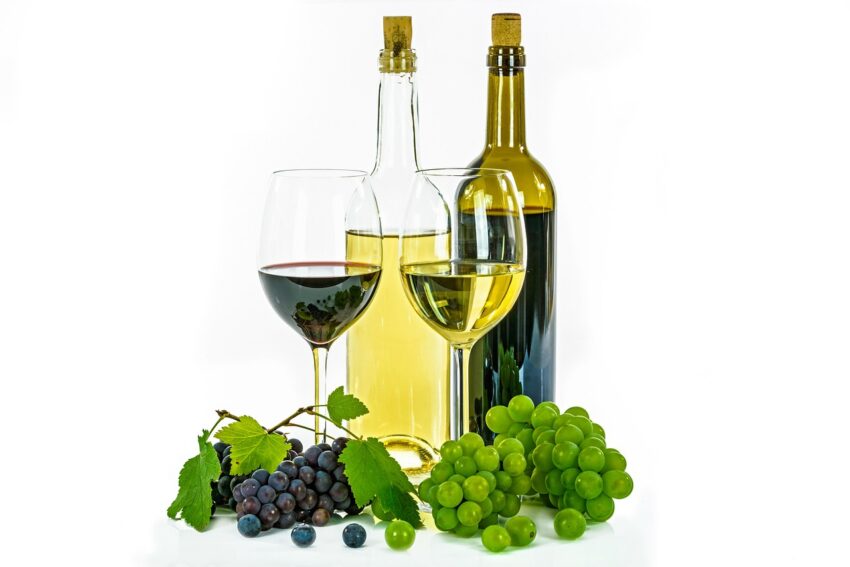
Malbec is best served at a slightly cool cellar temperature, generally between sixty and sixty-five degrees Fahrenheit. This specific thermal range allows the rich dark fruit flavors and velvety texture to shine without letting alcohol dominance overshadow the drinking experience.
Many wine drinkers make the mistake of serving full-bodied reds like Malbec at warm modern room temperatures. Ambient indoor climates often hover around seventy-two degrees, which increases alcohol evaporation and masks the delicate aromatic profile of the wine.
Achieving the correct temperature requires minimal effort, whether you are pouring a plush bottle from Mendoza or a structured, savory expression from Cahors. A brief fifteen-minute stay in the refrigerator usually brings a room-temperature bottle into the ideal sweet spot for immediate enjoyment.
Ideal Serving Temperatures for Malbec Styles
Standard Room Temperature Realities
Historical references to room temperature originate from stone-built European castles where ambient conditions stayed naturally cool. Modern central heating creates living spaces that are significantly warmer than these historical basements, rendering traditional advice obsolete for contemporary wine service.
Serving Malbec at sixty-five degrees Fahrenheit prevents the wine from tasting flat or heavy. When red wine gets too warm, the volatile compounds shift aggressively, turning the balance heavily toward dull flabbiness and vaporous ethanol rather than harmonious fruit characteristics.
The Optimal Chilling Range
A temperature range between fifty-eight and sixty-two degrees Fahrenheit works exceptionally well for robust Argentine Malbec selections. This slight chill tightens the structure slightly, giving the wine a refreshing edge while preserving its signature lushness.
Reaching this precise thermal window enhances the natural acidity found in cooler-climate expressions. The wine feels livelier on the palate, allowing secondary notes of cocoa, violet, and leather to emerge clearly alongside the primary blackberry fruit flavors.
Adjusting for Lighter Expressions
Lighter styles of Malbec, particularly youthful unoaked bottlings or modern fruit-forward carbonic expressions, benefit from cooler service. Aiming for fifty-five to fifty-eight degrees Fahrenheit highlights the crisp acidity, bright red fruit characteristics, and lively profile typical of these fresher winemaking interpretations.
However, cooler service works best when tannins are modest, as lower temperatures accentuate astringency rather than softening it. In fruit-forward, unoaked bottles with gentle extraction, this brisk temperature emphasizes refreshing acidity and vibrant red fruit without provoking harsh, drying bitterness on the palate.
For related wine guidance, see what temperature should merlot be served.
Why Temperature Affects Malbec Flavor Profiles
Impact on Tannin Perception
Tannins provide Malbec with its characteristic structure and grip, but temperature drastically alters how these phenolic compounds feel. Warmer serving conditions tend to make tannins feel softer yet occasionally mushy, losing the clean definition that defines quality winemaking.
Conversely, excessive cold makes tannins appear fiercely aggressive and drying. Maintaining a balanced moderate temperature ensures the grip remains pleasantly supportive, framing the rich fruit core without overwhelming the sensitive areas of the human palate.
Volatile Aromas and Alcohol Balance
Alcohol molecules evaporate more rapidly as a liquid warms up, releasing intense vapors into the glass. If a Malbec is too warm, these heavy fumes create a burning sensation that eclipses subtle aromatic notes like plum, graphite, and sweet spice.
Cooling the wine down slightly suppresses these volatile alcohol spikes, allowing complex aromatic layers to develop properly. You experience a more fragrant bouquet characterized by floral violet notes and ripe dark berries rather than stinging ethanol fumes.
Fruit Concentration Expression
The perception of sweetness and fruit ripeness changes relative to thermal state. Over-chilled wine mutes aromatic fruit expression, making the beverage taste austere and hollow, whereas proper temperature reveals the full spectrum of lush plum and black cherry.
Balancing the temperature unlocks the genuine density of the varietal. The fruit concentration remains vibrant and focused, delivering a harmonious interplay between sweet-toned fruit extract and the dry, savory finish expected from well-crafted red wines.
For related wine guidance, see what wines are served at room.
Practical Methods for Achieving the Right Chill
Refrigerator and Ice Bucket Timing
Placing a warm bottle of Malbec inside a standard household refrigerator for approximately twenty minutes achieves a noticeable drop in temperature. This method offers a reliable, low-effort approach for everyday dinners and casual hosting situations.
An ice bath containing equal parts water and ice accelerates this cooling process significantly. Submerging the bottle for ten minutes in a chilled bath brings the internal liquid down to the ideal serving zone rapidly and evenly without freezing.
Room Warming Techniques
When a bottle has been stored in a dedicated wine cooler set to cellar conditions around fifty-five degrees, it requires gentle warming. Simply removing the cork and letting the bottle sit on the dining table for fifteen minutes bridges the thermal gap.
Avoid aggressive heating methods such as immersion in hot water or microwave exposure, as these destroy delicate flavor components. Gradual exposure to ambient air lets the wine warm organically, protecting the structural integrity of the liquid inside.
Using Wine Thermometers Effectively
Band thermometers that wrap around the exterior of a glass bottle offer a convenient way to monitor serving temperature. While slightly less precise than digital probes, they provide a dependable visual estimate of the liquid state inside.
Digital infrared or immersion thermometers deliver exact readings for serious enthusiasts. Inserting a sanitized probe directly into the first poured glass ensures consistent precision, eliminating guesswork and guaranteeing optimal tasting conditions for every single guest.
For related wine guidance, see what temperature is cabernet sauvignon served.
Environmental Influences on Glass Temperature
Ambient Room Conditions
The temperature of the room where you consume wine dictates how quickly the liquid warms up in your glass. In a heated dining room during winter, a properly chilled glass of Malbec will absorb ambient heat within a matter of minutes.
Outdoor summer settings present an even greater challenge to maintaining proper temperature control. Using insulated stemware or keeping bottles in shaded portable coolers helps counteract rapid environmental warming during warm-weather gatherings and outdoor meals.
Glassware Thermal Mass
Thick, heavy wine glasses possess a high thermal mass that can quickly alter the temperature of a delicate pour. If stored in a cold cupboard, heavy glassware can unintentionally over-chill a wine that was brought to the correct table temperature.
Standard crystal stemware with thin rims and moderate bowls maintains the intended thermal balance much better. The glass quickly matches the temperature of the wine without introducing unwanted thermal shifts during the initial stages of tasting.
Temperature Progression Over Time
Wine in a glass steadily increases in temperature due to ambient air and body heat transferred if the bowl is cupped directly. Pouring smaller quantities ensures that every sip remains within the ideal sixty-degree window before the wine warms up too much.
Recognizing this natural progression allows you to adapt your serving strategy dynamically. Starting the bottle slightly cooler than your target ensures it spends the majority of its time in the glass at peak aromatic and structural expression.
Frequently Asked Questions
Should Malbec ever be served ice cold?
Serving Malbec ice cold is generally discouraged because severe cold drastically reduces the volatility of aromatic compounds. This extreme chilling suppresses the rich dark fruit flavors, deadens aromatic complexity, and makes the natural tannin structure feel harsh and unyielding.
However, personal preference always dictates individual enjoyment. While traditionalists prefer cellar temperatures around sixty degrees, casual drinkers in hot climates occasionally experiment with a slight chill to make the wine feel more refreshing during warm afternoons.
How long does a bottle take to reach serving temperature?
A bottle stored at standard refrigerator temperature requires about thirty to forty-five minutes on a counter to reach ideal cellar warmth. Moving a warm room-temperature bottle into a standard fridge takes roughly twenty minutes to achieve the same result.
Keep in mind that glass thickness and initial starting temperatures create minor variations in these timelines. Checking the bottle with a hand touch provides a reliable tactile indicator; it should feel refreshingly cool to the palm without feeling freezing.
Does storing Malbec at improper temperatures ruin it permanently?
Short-term exposure to suboptimal temperatures rarely ruins a bottle of Malbec permanently. Temporary warmth or brief chilling alters the tasting experience in the glass temporarily, but the underlying wine usually recovers once returned to stable conditions.
Long-term storage in excessively hot environments above seventy-five degrees poses a serious risk to the wine. Extended heat exposure accelerates chemical aging, flattens fresh fruit characteristics, and can eventually push the cork outward, spoiling the contents.
How does decanting affect the serving temperature of Malbec?
Decanting a bottle of Malbec exposes the liquid to a larger surface area of air, which can cause the wine to warm up more rapidly than it would inside a sealed glass bottle. If your dining room is warm, pouring a chilled bottle directly into a room-temperature decanter will cause the wine to absorb ambient heat within minutes, pushing it past the ideal sixty-degree threshold.
To prevent unwanted warming during decanting, consider chilling the decanter itself beforehand or placing it on a small cooling coaster. Alternatively, if your Malbec needs both aeration and cooling, you can aerate the wine slightly before putting the decanter into the refrigerator for a brief ten-minute rest just prior to serving.
How should you manage temperature for leftover opened Malbec?
Storing an unfinished bottle of Malbec requires balancing oxidation prevention with temperature control. Placing the re-corked bottle inside a standard household refrigerator effectively slows down chemical degradation by chilling the liquid, but this leaves the wine far too cold for immediate pouring during your next meal.
When you are ready to finish the remaining glasses, simply pull the bottle out of the refrigerator thirty minutes before serving to let it re-warm to the proper cellar range. Alternatively, pouring a single glass straight from the fridge and letting it rest in the glass for ten minutes offers a faster shortcut to the right temperature.
Do older, aged Malbecs require a different serving temperature than young bottles?
Mature, aged bottles of Malbec generally benefit from being served at the higher end of the ideal spectrum, closer to sixty-five degrees Fahrenheit. Older wines develop fragile, delicate tertiary aromas that can easily become muted if the liquid is served too cold, so a slightly warmer thermal state allows those complex tertiary characteristics to unfold gracefully.
In contrast, younger, high-alcohol expressions often benefit from being kept near fifty-eight to sixty degrees Fahrenheit. A modest chill moderates ethanol warmth and focuses exuberant fruit, though serving a heavily tannic young Malbec below this range risks making the astringency feel overly hard and bitter on the palate.