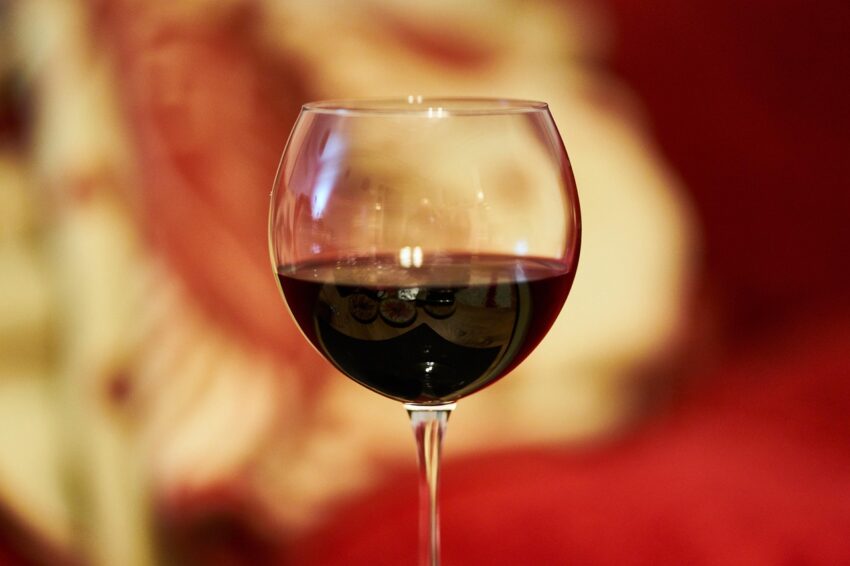
Serving Merlot wine properly involves balancing temperature, utilizing appropriate glassware, and understanding whether the specific vintage requires aeration. Because Merlot varies in style from soft, fruit-forward releases to structured, age-worthy expressions, adjusting these service parameters ensures optimal aromatic expression and textural balance in the glass.
To serve a bottle of Merlot effectively, aim for a slightly cool cellar temperature between sixty and sixty-five degrees Fahrenheit, use a broad-bowled red wine glass, and allow young bottles brief aeration to soften their natural tannins before evaluation.
Temperature Control and Thermal Dynamics for Merlot
Ideal Serving Temperatures Explained
Serving red wine at the correct temperature directly influences how volatile aromatic compounds escape the liquid. If Merlot is served too warm, alcohol vapours dominate the nose and mask subtle fruit profiles. Conversely, excessive chilling subdues the fruit and accentuates perceived astringency.
The target range of sixty to sixty-five degrees Fahrenheit represents a compromise between room temperature and cellar conditions. This window allows the plum, black cherry, and herbal notes of Merlot to emerge without harsh alcoholic interference or muted texture.
Managing Room Temperature Fluctuations
Modern indoor environments are frequently maintained at temperatures significantly higher than traditional cellar basements. Placing a bottle of Merlot on a warm kitchen counter for several hours can raise its temperature above seventy degrees Fahrenheit, altering its structural perception.
To counteract this, contemporary wine service often requires active temperature management. Pulling the bottle away from heat sources and checking the ambient environment prevents the wine from becoming overly warm and flabby during a meal or tasting session.
Chilling Techniques for Warm Environments
When a bottle of Merlot registers above the target service range, controlled cooling is necessary. Immersing the bottle in a mixture of ice and water for ten to fifteen minutes provides a rapid, uniform reduction in temperature compared to standard refrigeration.
Refrigerators are often too cold for immediate red wine service, dropping contents into the low forties. If a refrigerator must be used, removing the bottle thirty minutes prior to opening allows the liquid to warm back up to the proper threshold.
Warming Over-Chilled Bottles Safely
If a bottle of Merlot has been stored in a cold wine refrigerator or chilled too aggressively, serving it immediately will result in a tight, closed profile. The wine will feel harder on the palate, and its aromatic compounds will remain trapped.
Allowing the poured glass to sit at room temperature for a few minutes is the safest method for warming over-chilled wine. The natural transfer of ambient heat warms the liquid gradually, releasing the hidden layers of fruit and spice without artificial intervention.
Learning what temperature should merlot be ensures a balanced flavor profile during your meal.
Glassware Selection and Aeration Mechanics
Choosing the Right Bowl Shape
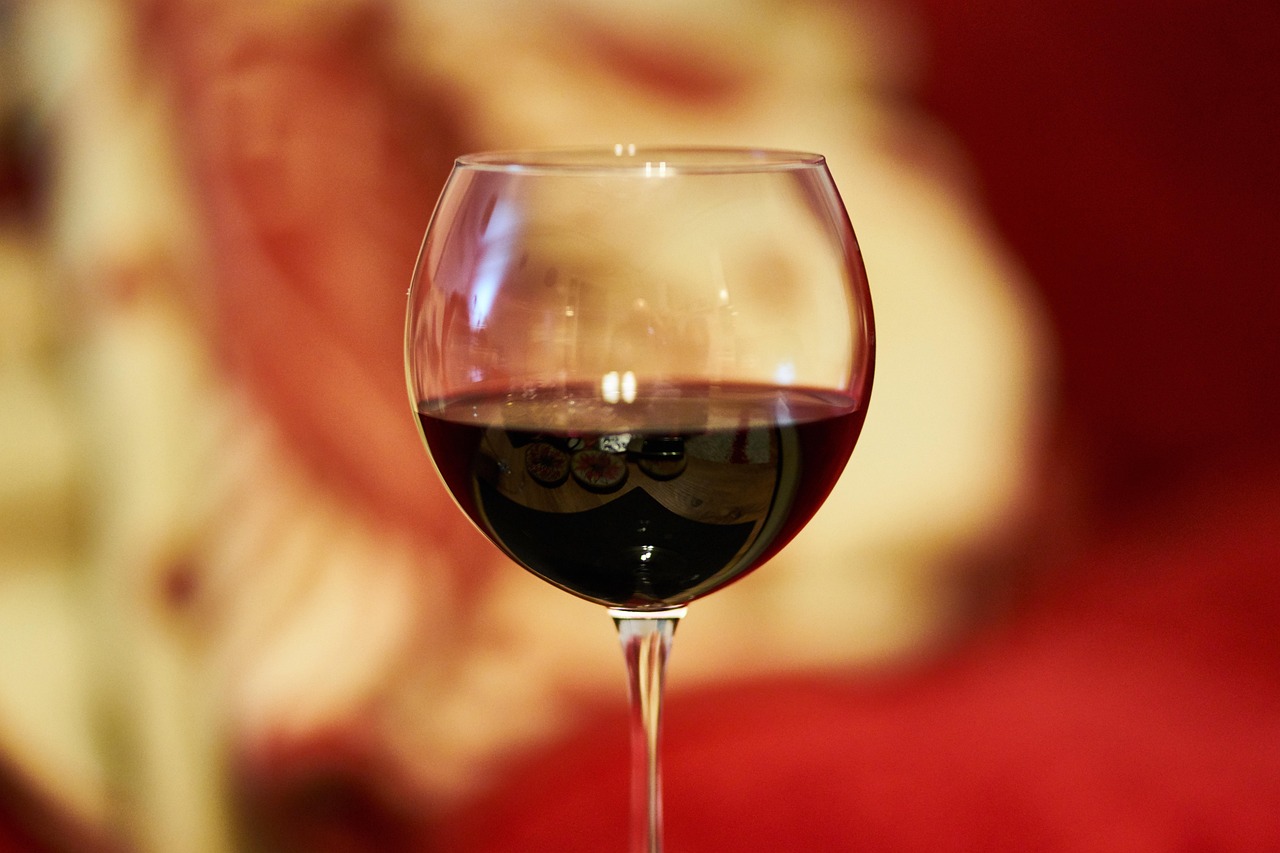
Glassware design plays a functional role in directing wine toward specific areas of the palate. Merlot benefits from a standard Bordeaux-style glass featuring a large, tall bowl and a slightly tapered rim.
The generous surface area inside a large bowl encourages oxygen interaction, which helps soften young tannins. Meanwhile, the tapered rim directs the aromatic compounds toward the nose, enhancing the perception of ripe red fruit and subtle earthiness typical of the grape.
Decanting Young vs. Aged Merlot
Young, robust styles of Merlot often possess grippy tannins and concentrated structures that benefit from decanting. Pouring the wine into a clean glass decanter an hour before service introduces oxygen and rounds out the texture.
Aged Merlot requires a more cautious approach. Older bottles can be fragile and may oxidize rapidly upon exposure to air. For mature vintages, decanting is often performed gently and exclusively to separate the clear liquid from any solid sediment accumulated over years of bottle age.
Swirling Techniques for Aromatics
Swirling wine in the glass introduces oxygen and increases the rate of evaporation for volatile organic compounds. For Merlot, a gentle circular motion on a flat surface is sufficient to coat the sides of the bowl.
Avoid aggressive or violent agitation, which can splash the wine or cause rapid dissipation of delicate secondary aromas. A controlled swirl unlocks layers of cocoa, vanilla from oak aging, and ripe dark berries inherent to the varietal style.
Glass Cleanliness and Odor Prevention
Residual dish soap, hard water spots, or cupboard dust can severely impair the tasting experience. Glassware used for serving Merlot should be thoroughly rinsed in warm water and polished with a lint-free cloth.
Storing glasses in enclosed wooden cabinets can sometimes impart stale odors. Airing out glasses before pouring ensures that extraneous scents do not mask the subtle aromatic profile of the wine.
Pouring Protocols, Pacing, and Presentation
Standard Pour Volumes and Bottle Yields
A standard 750-milliliter wine bottle yields approximately five standard pours when served in a restaurant or formal tasting setting. Each pour typically measures about five ounces, leaving adequate space in the glass for swirling.
Maintaining consistent pour volumes ensures that guests or participants receive an equal share of the bottle. It also prevents overfilling the glassware, which restricts the necessary airspace required for proper aromatic evaluation.
Handling Sediment in Older Vintages
As red wines age, natural phenolic compounds and grape solids aggregate and fall to the bottom of the bottle as sediment. While harmless, sediment creates an unpleasantly grainy texture in the mouth.
When serving an older Merlot, keep the bottle upright for several hours prior to opening to let solids settle at the base. Pour the liquid in one continuous, steady motion under a light source, stopping before the sediment reaches the neck of the bottle.
Cork Extraction and Tool Mechanics
Opening a bottle of Merlot requires a reliable corkscrew, such as a traditional two-step waiter’s friend or a sturdy lever-style opener. The goal is to remove the cork cleanly without breaking it or pushing fragments into the wine.
Cut the foil capsule cleanly below the lip of the bottle glass to prevent wine from running over residual metal during the pour. Insert the worm centrally into the cork and pull straight upward with steady, controlled pressure.
Post-Opening Preservation Basics
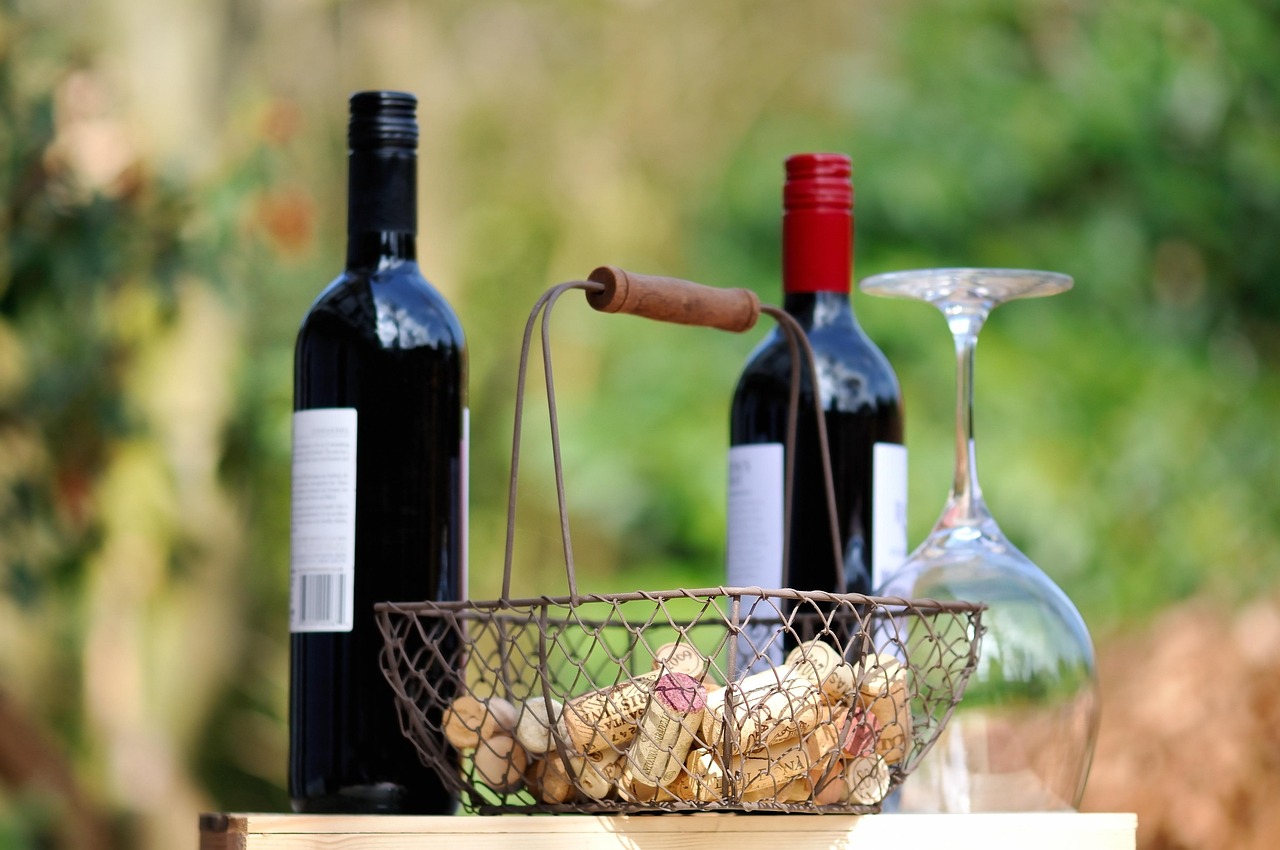
Once a bottle of Merlot is opened, exposure to oxygen begins a slow degradation process. To preserve leftover wine for subsequent days, reinsert the original cork securely or use a specialized rubber stopper.
Store the resealed bottle in a cool, dark environment, such as a refrigerator, to slow chemical oxidation. Consume the preserved wine within two to three days for the best representation of its original character.
Understanding how to serve red wine correctly ensures proper aeration and enhances overall enjoyment.
Culinary Pairing Principles and Flavor Alignment
Matching Tannin Structure with Proteins
Merlot features moderate to medium-high tannins, which provide structure and texture on the palate. Pairing this wine with foods rich in protein and fat creates a chemical balance that softens the perceived astringency of the tannins.
Fat coats the palate, while the proteins bind to phenolic compounds, allowing the fruit flavors of the Merlot to shine through without tasting overly drying or harsh. This foundational principle guides successful red wine pairing.
Pairing with Roasted and Braised Meats
Traditional culinary pairings for Merlot include roasted poultry, pork loin, and braised beef dishes. The savory umami characteristics of roasted meats complement the ripe red and black fruit notes found in the wine.
When preparing braised dishes with Merlot included in the cooking liquid, ensure the dish features balanced acidity and herbs like rosemary or thyme to echo the herbal undertones present in certain cool-climate expressions of the grape.
Vegetarian and Mushroom-Based Pairings
Merlot pairs exceptionally well with earthy vegetarian dishes, particularly those featuring wild mushrooms, lentils, or roasted root vegetables. The earthy, forest-floor qualities often found in aged Merlot align naturally with fungi.
Dishes seasoned with earthy spices, garlic, and fresh herbs provide enough weight to stand up to the medium body of the wine without overwhelming its fruit profile or getting lost behind heavy tannin structures.
Cheese Selection and Tannin Interactions
Selecting cheese to accompany Merlot requires attention to fat content and aging. Semi-firm cheeses like Gouda, Cheddar, or nutty Alpine styles offer sufficient fat to soften the wine’s tannins.
Avoid extremely sharp or pungent blue cheeses, which can clash with the fruit and amplify the perception of alcohol. Mild to medium-intensity cheeses create a harmonious bridge between the food and the wine.
A well-executed merlot bellavitano cheese pairing brings out rich savory notes that complement the fruit profile.
Storage Conditions Prior to Service
Short-Term Versus Long-Term Storage Environments
Proper storage safeguards the chemical stability of Merlot before service. Short-term storage in a kitchen cupboard exposes wine to frequent temperature shifts and vibration, which can accelerate aging undesirably.
Long-term cellaring requires a dedicated environment with stable temperatures around fifty-five degrees Fahrenheit and moderate humidity. Even for bottles intended for near-term consumption, avoiding extreme heat is paramount.
Minimizing Vibration and Light Exposure
Constant vibration disrupts the sediment equilibrium inside the bottle and can accelerate chemical reactions that degrade wine quality. Storing wine away from appliances like refrigerators or washing machines prevents physical agitation.
Ultraviolet light from sunlight or harsh fluorescent bulbs can cause premature oxidation and unpleasant sulfur compounds in wine. Keeping bottles in dark spaces or opaque boxes protects the liquid from light damage.
Humidity Management for Cork Integrity
Maintaining relative humidity between sixty and seventy percent prevents natural corks from drying out and shrinking. A dried cork allows air to seep into the bottle, leading to rapid oxidation and spoilage.
Conversely, excessive humidity can foster mold growth on the exterior of the cork and damage paper labels. Balanced storage conditions ensure the closure remains tight and functional until opening.
Recognizing Storage Flaws Before Serving
Before presenting a bottle of Merlot to guests, inspect the cork and liquid for signs of flaws. A pushed-out cork or sticky residue around the foil often indicates heat damage during transit or storage.
Upon opening, assess the aroma for musty, damp-cardboard notes, which indicate cork taint caused by chemical compounds. Recognizing these flaws early prevents serving a compromised bottle of wine.
Frequently Asked Questions About Serving Merlot
Should Merlot be served at room temperature?
Merlot is best served slightly cooler than typical modern room temperature, ideally between sixty and sixty-five degrees Fahrenheit. Warming the wine above seventy degrees accentuates alcohol levels and subdues its fruit characteristics.
Do all bottles of Merlot require decanting?
Not all bottles require decanting. Young, structured releases benefit from an hour in a decanter to soften tannins, while older, delicate vintages may only need careful pouring to separate sediment.
What is the ideal glass shape for Merlot?
A standard Bordeaux glass with a large bowl and a tapered rim is ideal for Merlot. This design allows adequate oxygen contact and directs aromatics toward the nose effectively.
How long can an open bottle of Merlot be kept?
An opened bottle of Merlot will typically remain fresh for two to three days if re-corked securely and stored in a cool environment like a refrigerator to slow down oxidation.
Can Merlot be chilled in a standard refrigerator?
You can use a refrigerator to chill Merlot, but it often drops the temperature too low. Placing the bottle in the fridge for twenty minutes before service is usually sufficient to reach the proper zone.
What foods pair best with the tannins in Merlot?
Foods rich in protein and moderate fat, such as roasted poultry, pork, or mushroom dishes, pair well with Merlot because fat and protein soften the wine’s natural tannins on the palate.