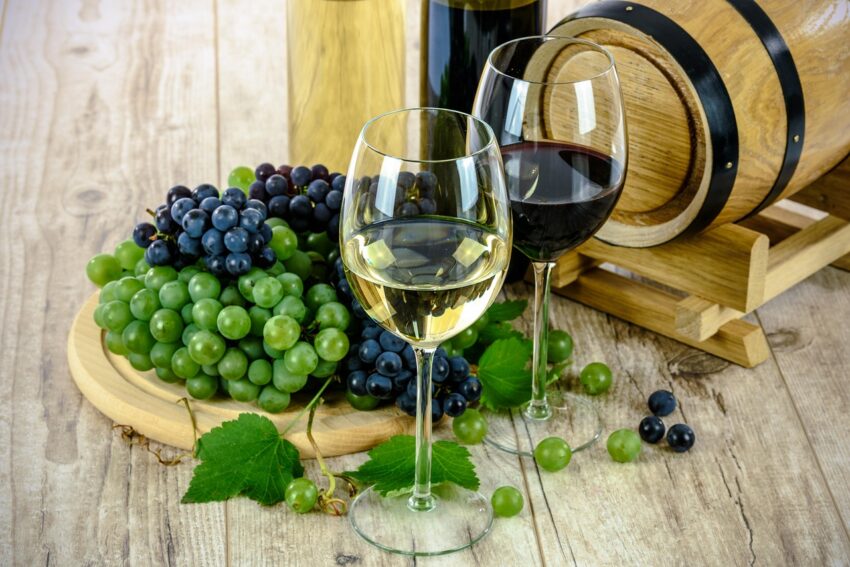
Whether wine should be served cold depends entirely on the specific style, grape variety, and structural components of the bottle in question. Temperature directly alters how volatile compounds, tannins, and acids interact with human sensory receptors during tasting.
While many casual drinkers assume all reds belong at warm room temperature and all whites require intense refrigeration, modern serving guidelines are far more nuanced. Understanding these principles helps maximize both aroma and flavor expression across different categories.
Ultimately, a wine that is too cold will mute its aromatic complexity, while one that is too warm can taste overly alcoholic and unbalanced. Finding the correct thermal baseline ensures optimal enjoyment for every pour.
Temperature Physics and Wine Volatiles
How Temperature Alters Aroma Release
Thermal energy dictates how quickly aromatic compounds evaporate from the surface of a wine glass. Cooler temperatures restrict molecule volatility, keeping delicate floral and fruit scents trapped in the liquid.
Conversely, excessive heat accelerates evaporation, often causing ethanol vapors to overpower subtle aromatic profiles. Balancing these physical forces allows the true character of the liquid to emerge gracefully.
Tannin Perception and Chill Factor
Tannins provide structural astringency in red wines, interacting with proteins in the mouth. When a wine is served too cold, these structural elements can feel harsh, aggressive, and overly drying.
Warming a red wine slightly softens the tactile impression of tannins, integrating them smoothly with the fruit and acidity. This physical softening explains why heavier reds benefit from a milder chill.
Acidity and Crispness Mechanics
Acidity provides freshness and structural balance, particularly in white and sparkling styles. Lower temperatures enhance the physical sensation of crispness, making the wine feel sharper and more refreshing.
If a white wine is served too warm, its natural acidity can recede, causing the profile to taste flabby, heavy, and unstructured. Proper chilling preserves this vital structural backbone.
Red Wine Temperature Realities
Light Reds and Refrigeration Strategies
Light-bodied red wines, such as Pinot Noir or Beaujolais, possess lower tannin levels and brighter natural acidity. These styles frequently benefit from thirty minutes in a standard refrigerator prior to opening.
A light chill accentuates their red fruit characteristics while suppressing unwanted alcoholic burn. This serving method aligns with traditional practices in many classic European wine regions.
Full-Bodied Reds at Room Temperature
Historical room temperature often referred to drafty European castles rather than modern centrally heated homes. Consequently, drinking a bold Cabernet Sauvignon at seventy-two degrees Fahrenheit is typically too warm.
A slightly cooler ambient temperature of sixty to sixty-five degrees allows full-bodied reds to maintain their structural integrity. Cellar temperature remains the gold standard for long-term storage and serving preparation.
Cooling Overserved Reds Quickly
If a red wine feels too warm and alcoholic on the palate, a brief immersion in an ice bath can restore balance. Ten to fifteen minutes of active cooling brings heavy reds down to an optimal drinking range.
Care must be taken not to overcool these bottles, as freezing temperatures permanently lock away complex aromas. Monitoring the bottle surface provides a reliable indicator of internal temperature shifts.
Exploring unconventional styles involves learning how to serve sparkling red wine at slightly cooler temperatures than standard reds.
White and Sparkling Wine Guidelines
Crisp Whites and Direct Refrigeration
Light, crisp white wines like Sauvignon Blanc or Pinot Grigio rely on high acidity and vibrant fruit notes. These bottles require thorough chilling in a refrigerator to highlight their refreshing properties.
Serving these wines very cold suppresses any potential harshness while amplifying their zesty profile. Extended refrigeration prior to service ensures the glass remains crisp from the first sip.
Oaked Chardonnays and Moderate Chill
Full-bodied, oaked white wines possess complex buttery textures and subtle spice notes derived from barrel aging. Over-chilling these sophisticated styles masks their rich structural depth and aromatic complexity.
Removing these bottles from the refrigerator twenty minutes before serving allows the temperature to rise slightly. This moderate adjustment brings out the integrated vanilla and toasted nut characteristics.
Sparkling Wines and Pressure Retention
Sparkling wines require deep chilling to maintain dissolved carbon dioxide within the liquid matrix. Colder temperatures keep the internal pressure stable, preventing excessive foam and rapid loss of effervescence upon opening.
Placing Champagne or prosecco in an ice bucket for thirty minutes guarantees a steady, fine bead. Proper chilling transforms the drinking experience from frothy to elegantly effervescent.
To balance acidity and residual sugar levels, consulting a sparkling wine sweetness chart makes selecting the right bottle much easier.
Practical Cooling and Warming Techniques
Ice Bath versus Refrigerator Methods
Placing a bottle in a refrigerator cools the liquid evenly over several hours, offering a dependable method for daily preparation. However, this approach lacks the speed required for spontaneous serving adjustments.
An ice bath combined with water and a handful of salt accelerates heat transfer dramatically. This technique lowers bottle temperature in minutes rather than hours, making it highly efficient.
Natural Warming for Overchilled Bottles
When a white wine is pulled too cold from storage, allowing the glass to sit on the table provides a gentle warming mechanism. Ambient air slowly raises the temperature without requiring mechanical intervention.
Cupping the bowl of the wine glass with hands can also speed up this process organically. This method gives tasters direct control over the progressive evolution of the beverage.
Monitoring Temperature Without Special Tools
While digital thermometers offer precision, tactile assessment of the glass exterior serves as a reliable practical guide. A layer of condensation generally indicates the bottle has reached typical refrigerator temperature.
Feeling the weight and chill through the glass bottom helps estimate internal thermal status. Experienced enthusiasts often rely on these sensory cues rather than specialized gadgets.
When managing temperature adjustments, understanding the specific cold stabilization wine temperature helps prevent tartrate crystal formation during chilling.
Frequently Asked Questions
Does putting wine in the fridge ruin it?
Storing wine in a standard kitchen refrigerator for a few days or weeks will not inherently ruin the liquid. The main risk involves dried-out corks over extended periods due to lack of humidity and mechanical vibrations.
For short-term chilling before a meal, standard refrigeration is completely safe and effective. Dedicated wine coolers remain superior for long-term preservation because they maintain stable humidity and correct baseline temperatures.
What is the ideal room temperature for red wine?
The ideal temperature for most red wines falls between fifty-five and sixty-five degrees Fahrenheit. Modern indoor heating often pushes rooms above seventy degrees, which makes reds taste unbalanced and overly alcoholic.
Giving a red bottle a brief twenty-minute stay in the refrigerator before opening corrects this disparity. This small adjustment highlights the fruit flavors while taming harsh structural tannins.
Can you freeze wine to chill it faster?
Placing a bottle of wine in the freezer to accelerate cooling carries significant risks if forgotten. Liquid expands as it freezes, which can easily shatter glass bottles or push corks completely outward.
Furthermore, freezing alters the chemical composition of wine, sometimes causing tartrate crystals to precipitate and altering delicate flavor balances. Using an ice bucket with water is a much safer alternative.
How long does it take to chill a bottle of wine properly?
Chilling a room-temperature bottle of white wine in a standard household refrigerator typically requires two to three hours to reach an optimal serving temperature. Air acts as a relatively poor thermal conductor compared to liquid environments, which accounts for the extended duration needed inside dry refrigeration units to alter the core temperature of the glass vessel.
Alternatively, submerging the bottle in a dedicated ice and water bath cuts this cooling time down to roughly twenty to thirty minutes. Adding a handful of culinary salt to the ice slurry accelerates thermal transfer even further, successfully chilling the liquid in under fifteen minutes for immediate service without requiring advanced planning.
Does serving white wine too cold mask its true flavors?
Yes, serving white wine at near-freezing temperatures significantly mutes its aromatic profile and suppresses subtle flavor nuances. When volatile compounds remain tightly trapped within the heavy liquid matrix due to excessive cold, casual and expert tasters alike experience primarily sharp structural acidity rather than complex fruit, mineral, herbal, or floral characteristics.
Allowing an over-chilled bottle to rest at ambient room conditions for fifteen to twenty minutes easily reverses this temporary suppression. As the liquid temperature rises slightly toward standard parameters, the previously trapped volatile molecules release freely into the glass, revealing the true aromatic balance and structural depth of the beverage.
Should opened leftover red and white wine both go in the fridge?
Storing leftover opened wine inside a standard refrigerator is a highly reliable way to preserve both red and white varieties after the cork has been pulled. Cooler thermal environments slow down chemical oxidation processes and bacterial activity, which rapidly degrade open bottles left sitting out on a warm kitchen counter overnight.
While white wines can remain chilled continuously until finished, red wines pulled from the refrigerator should be removed roughly thirty minutes before pouring again. This brief warming period restores appropriate tactile warmth, ensuring the structural tannins do not feel overly harsh, bitter, or astringent during subsequent tasting sessions.
Do wine glass designs influence serving temperature experiences?
Glassware design plays a surprisingly significant role in how a taster perceives the thermal state of any beverage. Larger wine bowls provide a much greater surface area for volatile compounds to disperse, while allowing the contained liquid to adapt rapidly to ambient room conditions during an extended tasting session.
Conversely, narrow glasses featuring smaller surface openings help retain cooler temperatures longer by minimizing direct exposure to warm outside air. Selecting the correct physical glass shape for specific wine styles helps maintain the intended thermal balance consistently from the very first pour to the final drop in the glass.
Can chilling a flawed or cheap wine make it taste better?
Intense chilling can temporarily mask minor structural imbalances or subtle off-flavors present in inexpensive or simpler wine styles. Lowering the temperature substantially suppresses the perception of harsh alcohol burn, excessive sweetness, and minor textural flaws, creating a temporary illusion of crisp freshness on the palate.
However, this mechanical masking effect is completely temporary and disappears entirely as the liquid warms up in the glass. Premium, complex bottles derive zero benefit from extreme cold because heavy chilling obscures the exact aromatic intricacies that define their overall quality and agricultural craftsmanship.