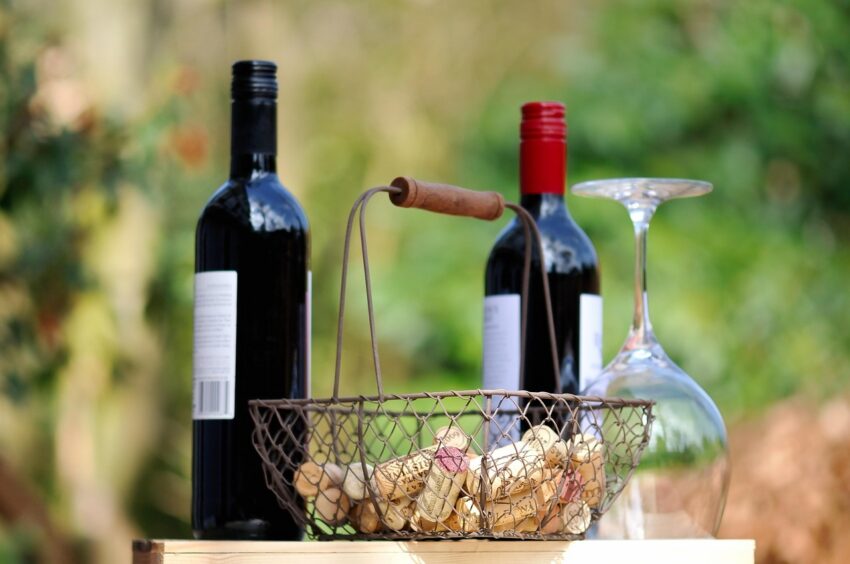
Drinking Pinot Grigio successfully involves serving the white wine at the correct chilled temperature, using standard white wine glassware to concentrate delicate aromatics, and pairing it with lighter dishes that complement its crisp acidity.
Because this grape variety encompasses several stylistic profiles ranging from lean and mineral-driven to slightly richer and skin-contact variants, adjusting serving methods to match the specific bottle enhances the tasting experience.
This educational guide outlines practical protocols for chilling, pouring, and pairing Pinot Grigio responsibly and effectively, ensuring every bottle is enjoyed within its optimal structural window.
Selecting Temperature and Glassware
Ideal Chilling Temperatures
Pinot Grigio is typically served well-chilled to accentuate its refreshing natural acidity and bright citrus flavor profile during casual meals or social gatherings. Maintaining a temperature range between forty-five and fifty degrees Fahrenheit is generally recommended for lighter, crisper styles produced across traditional European and international wine regions today.
Placing the sealed glass bottle in a standard household refrigerator for approximately two hours prior to opening usually achieves this optimal thermal range effectively. Avoid excessive chilling, because near-freezing temperatures can mute delicate floral aromas and crisp green apple notes completely during structural tasting evaluations.
Using Appropriate Glassware
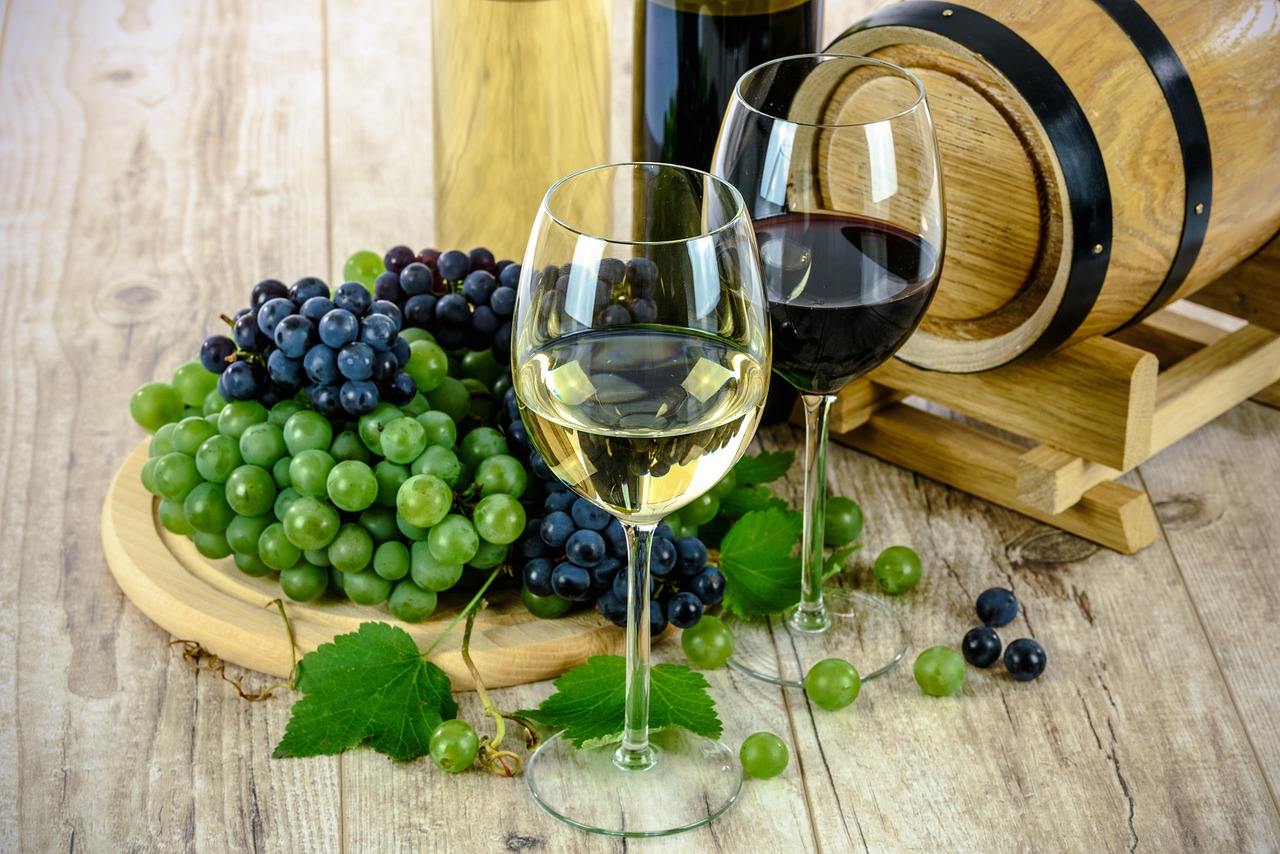
Standard white wine glasses featuring a medium U-shaped bowl and a slightly tapered rim suit Pinot Grigio best in professional and home settings. This specific shape helps concentrate subtle aromas while delivering the wine smoothly across the palate, allowing its bright acidity and fresh fruit character to show cleanly without dissipating too quickly in the glass.
Furthermore, the narrower opening concentrates volatile aromatic compounds directly toward the nose. This practical design feature allows casual drinkers and serious evaluators to perceive subtle green pear, white peach, and wet stone mineral nuances much more clearly during regular tasting sessions and educational wine tasting events.
Ambient Temperature Effects
Ambient room temperature significantly influences how quickly a chilled glass of white wine warms up during a typical dining experience or tasting session today. Holding a glass directly by the bowl transfers human body heat rapidly, raising the wine temperature well above optimal refreshing levels very quickly indeed.
To maintain desired structural crispness, always hold the wine glass by its slender stem rather than the bowl. If warm ambient conditions cause the beverage to lose its initial chill, return the bottle promptly to an ice bucket, wine cooler, or standard household refrigerator right away.
For related wine guidance, see how to serve pinot noir wine.
Pouring and Service Protocol
Opening and Uncorking
Opening a bottle of Pinot Grigio requires a reliable corkscrew or verifying the integrity of a screw cap closure if present. For traditional corks, cut the foil cleanly below the lower lip of the glass bottleneck to prevent wine from contacting metal surfaces during the actual pour.
Insert the corkscrew worm centrally into the cork and twist steadily downward until a single turn remains visible, then leverage the hinge gently to extract the closure smoothly. Wipe the bottle rim with a clean cloth before pouring to remove any residual dust or cork particles completely every time.
Standard Pour Sizes
Standard culinary pouring guidelines suggest measuring approximately five ounces of Pinot Grigio per standard serving glass in most settings. This specific volume leaves ample empty space within the upper bowl of the wine glass, which allows trapped aromas to gather and concentrate effectively prior to inhalation and formal tasting.
Pouring moderate amounts also ensures the liquid remains chilled longer inside the glass, preventing ambient warming from dulling the vibrant acidity. Restaurants and hosts frequently monitor pour amounts to maintain control and encourage paced, responsible enjoyment throughout a multi-course meal or evening social gathering without haste.
Breathing and Aeration
Unlike heavy red wines, crisp styles of Pinot Grigio rarely require extended decanting or aggressive aeration before consumption. Exposing young, highly acidic white wines to excess oxygen for too long can strip away delicate fruit characteristics and flatten their refreshing structural profile entirely during evaluation.
Pouring the wine directly from the chilled bottle into the glass provides sufficient aeration for most everyday bottles. Full-bodied or skin-contact orange styles, however, may benefit from a brief fifteen-minute rest in the glass to open up complex secondary aromas and varied structural textures safely.
Food Pairing Principles
Matching Acid and Fat
The high natural acidity present in most Pinot Grigio expressions acts as an effective palate cleanser when paired with rich or fatty foods. The sharp structural acidity cuts through heavier cooking oils and rich butter-based sauces, refreshing the human palate efficiently between every single bite taken by guests.
Consider pairing crisp styles with cream-based pasta dishes, soft artisan cheeses, or lightly fried appetizers. This pairing approach often provides a pleasant contrast, though pairing success ultimately depends on the specific weight and seasoning of both the dish and the wine.
Seafood and Shellfish Pairings
Light seafood dishes represent a quintessential pairing choice for Pinot Grigio. The crisp citrus and mineral characteristics of the wine complement the delicate sweetness found in fresh fish, shrimp, crab, and scallops without ever masking their natural ocean flavors during the evening meal today.
Simple grilled white fish served with a squeeze of fresh lemon juice mirrors the citrus notes present in the wine, creating an integrated flavor experience. Heavily oaked white wines can sometimes overpower subtle marine flavors, whereas unoaked, high-acid styles generally provide a more neutral backdrop for fresh seafood.
Vegetarian and Herb Dishes
Vegetable-forward dishes, particularly those incorporating fresh culinary herbs like basil, parsley, and mint, pair wonderfully with the subtle herbal undertones found in Pinot Grigio. Salads dressed with light citrus vinaigrettes match the wine’s natural acidity without causing flavor conflicts during the meal. These pairings highlight freshness.
Vegetable risottos, zucchini noodles, and asparagus tarts also find a reliable culinary companion in this popular white wine style. The earthy qualities of green vegetables bridge the gap between plant-based ingredients and the crisp fruit-forward nature of the beverage reliably and effectively. Balance remains key.
When considering regional pairings, trying an Adelaide hills pinot grigio with light seafood dishes works exceptionally well.
Styles and Regional Variations
Italian Pinot Grigio Profile
Italian expressions of Pinot Grigio, particularly from northern regions like Trentino-Alto Adige and Veneto, typically exhibit a lean, crisp, and mineral-driven character. These wines emphasize bright acidity, neutral fruit flavors, and refreshing green apple notes during professional tasting evaluations. This reflects traditional regional methods.
Winemakers in these areas generally avoid oak aging entirely in order to preserve the pristine freshness of the grape. This style is designed for immediate consumption, prioritizing clean refreshment over structural complexity or long-term aging potential in the glass bottle. Freshness remains paramount.
French Pinot Gris Characteristics
In France, particularly within the historic Alsace region, the same grape variety is known as Pinot Gris and yields a distinctly richer style. These wines are typically fuller-bodied and aromatic, ranging from dry to off-dry, featuring complex aromas of ripe pear, honey, ginger, and smoke. Notice the aromatic depth.
Alsatian producers often embrace traditional winemaking techniques that allow for greater skin contact and occasional neutral oak barrel maturation. This results in a textured beverage that stands up well to richer foods compared to its lighter Italian counterpart today. Texture is key.
New World Expressions
New World wine regions such as Oregon, California, New Zealand, and Australia produce diverse, interesting expressions of the grape. Oregon often balances vibrant acidity with ripe fruit flavors, while warmer climates yield fruit-forward wines featuring prominent tropical fruit nuances. Local climate matters greatly.
Tasting these regional differences provides valuable insight into how climate and soil influence the final profile of the beverage. Experimenting with different origins allows wine enthusiasts to discover their personal preferences regarding acidity, body, and sweetness levels. Diversity remains vast.
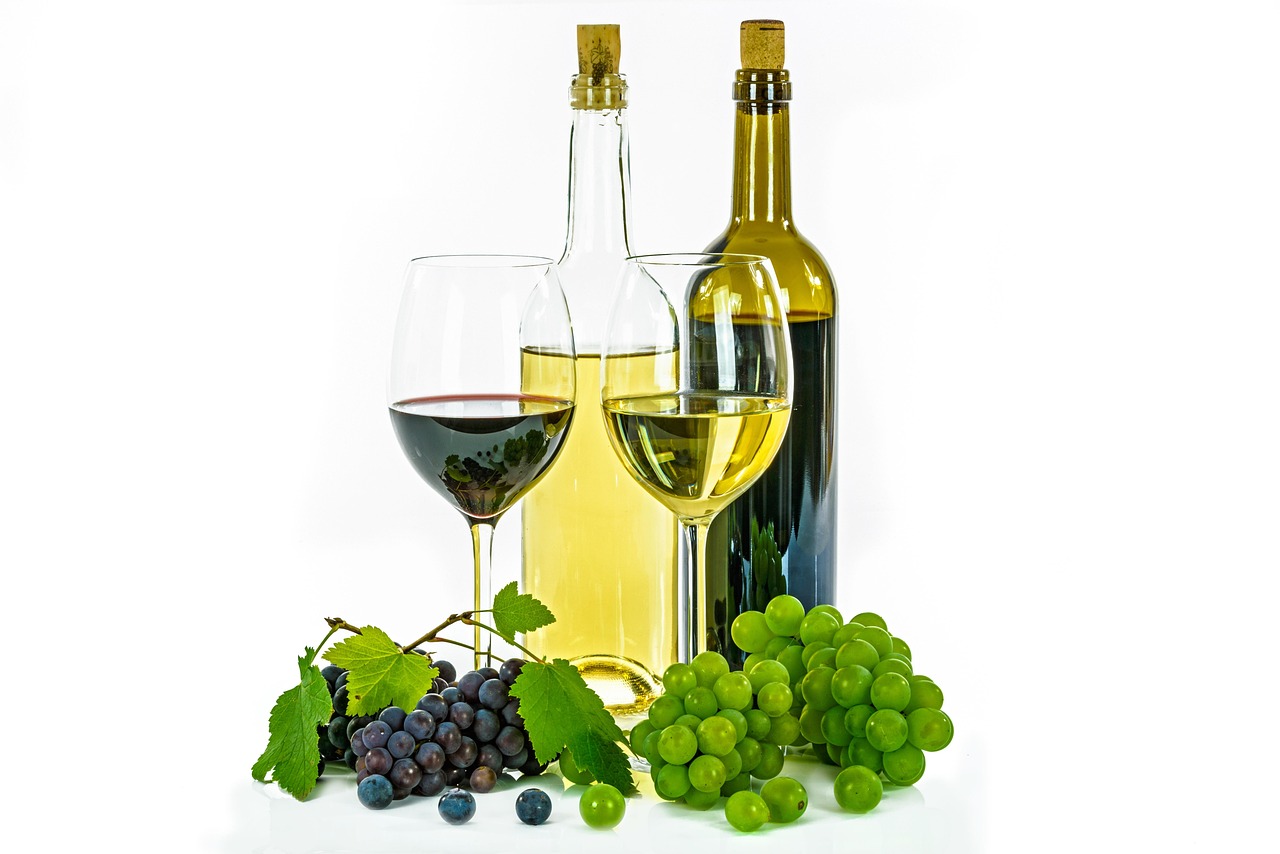
Readers looking to expand their palate beyond standard bottles can find options similar to pinot grigio among various cool-climate whites.
Frequently Asked Questions
How long should it chill?
Pinot Grigio typically requires approximately two hours in a standard household refrigerator to reach its optimal serving temperature of forty-five to fifty degrees Fahrenheit. Placing the bottle in an ice bucket with equal parts ice and water accelerates this process to about twenty minutes. Plan accordingly.
Avoid leaving the wine in a standard freezer for extended periods, as freezing temperatures can crack the glass or permanently mute the delicate aromatic compounds. Monitoring the chill time ensures the wine is neither too warm nor frozen solid when opened. Temperature control is vital.
Can it be aged?
Most commercial styles of Pinot Grigio are crafted for immediate consumption and do not benefit from long-term bottle aging. These wines are designed to showcase fresh, vibrant fruit flavors and crisp acidity that naturally fade over time in storage. Consume them fresh. Timing is essential.
However, fuller-bodied French Pinot Gris from Alsace or premium selections featuring complex structural profiles can sometimes develop richer honeyed and nutty characteristics over a few years in a proper wine cellar. Casual bottles should be enjoyed young. Cellaring is quite rare.
What makes it unique?
Pinot Grigio is unique because the grape skin features a distinct grayish-pink pigmentation despite producing white wine. Winemakers press the juice quickly from the skins to maintain a pale color, though extended skin contact produces amber or orange styles. This natural color mutation is truly fascinating to observe.
This botanical versatility allows the grape to manifest as a light, refreshing summer sipper or a rich, complex food wine depending entirely on regional vinification traditions and production choices made by the winemaker. Regional variety drives consumer interest significantly across international markets today.