
Secondary fermentation sparkling wine represents a fascinating intersection of viticulture and physical chemistry, where a finished base wine undergoes a deliberate second round of yeast-driven conversion inside a sealed container. This biochemical transformation traps carbon dioxide gas within the liquid, creating the characteristic effervescence, fine bubbles, and complex flavor profiles found in globally recognized styles.
Understanding this process requires exploring how different production techniques shape the final beverage, from traditional bottle-fermented styles to tank-fermented alternatives. Educational wine guides approach these methods through objective mechanical principles, offering enthusiasts a clear framework for appreciating how viticultural choices and cellar techniques influence what ends up in the glass.

Fundamentals of Sparkling Wine Production
Defining Secondary Fermentation
Secondary fermentation is the foundational process that transforms flat base wine into an effervescent product. Winemakers take a still base wine, which is typically low in alcohol and high in acidity, and introduce a precise mixture of fresh wine, yeasts, and sugars, known as the liqueur de tirage.
Once sealed inside a pressurized environment, the yeast consumes the added sugar. This natural metabolic activity produces alcohol and carbon dioxide. Because the container is completely sealed, the gas cannot escape and dissolves directly into the liquid, forming the signature bubbles characteristic of sparkling wines.
The Traditional Method (Méthode Traditionnelle)
The traditional method involves conducting secondary fermentation inside the exact individual bottle that eventually reaches the consumer. This labor-intensive technique is utilized for prestigious global styles, allowing prolonged contact between the wine and the spent yeast cells, known as lees.
Following fermentation, bottles undergo riddling to gradually collect sediment in the neck. The neck is then frozen, the cap removed to expel the frozen plug of yeast, and a dosage of wine and sugar is added to adjust sweetness before final corking and wire-hood sealing.
Tank Method (Charmat Process)
The tank method, or Charmat process, shifts secondary fermentation from individual bottles to large, pressurized stainless steel tanks. This approach preserves fresh, primary fruit characteristics rather than developing deep autolytic complexity from extended yeast contact.
After fermentation concludes under pressure in the tank, the wine is filtered to remove yeast solids and bottled under counter-pressure to retain carbonation. This efficient method is widely applied to aromatic varieties where vibrant fruit expression is preferred over yeast-derived complexity.
Transfer and Ancestral Methods
The transfer method combines elements of both traditional and tank approaches. Secondary fermentation occurs in individual bottles, but after aging on lees, the contents are emptied under pressure into a large tank, filtered to remove sediment, and rebottled.
The ancestral method, or méthode ancestrale, represents an older technique where wine undergoing its primary fermentation is bottled before all sugar converts to alcohol. Fermentation finishes inside the sealed bottle without added sugars or yeasts, producing distinct, rustic styles.
Managing the exact temperature for secondary fermentation wine is critical to ensure proper yeast activity and carbonation.
Grape Varieties and Regional Styles
Classic Varieties and Blends
Classic sparkling wine production relies heavily on specific grape varieties chosen for their natural high acidity and neutral flavor profiles. Chardonnay, Pinot Noir, and Pinot Meunier form the backbone of traditional sparkling wines produced in cool-climate regions.
Chardonnay contributes elegance, citrus notes, and longevity, while Pinot Noir and Pinot Meunier add structural weight, red fruit nuances, and palate breadth. Winemakers blend these varieties in varying proportions to achieve consistency and balance across different production houses.
Alternative and Regional Grapes
Beyond the classic trio, numerous regions utilize distinct local varieties for sparkling wine production. Glera serves as the primary grape for Prosecco, offering soft, green apple and floral aromas well-suited to tank-method fermentation.
Other notable grapes include Xarel-lo, Macabeo, and Parellada in Spanish Cava, Chenin Blanc in the Loire Valley, and Nebbiolo or Lambrusco in Italy. Each variety brings unique structural properties, ranging from robust tannins to piercing acidity, shaping the regional identity of the final style.
Dosage Categories and Sweetness Levels
The final stage of production often involves adjusting the sweetness level through the addition of dosage, a mixture of reserve wine and sugar syrup. International labeling standards categorize sparkling wines based on residual sugar content per liter.
Terms range from Brut Nature or Zero Dosage, containing virtually no added sugar, through Extra Brut, Brut, Extra Dry, Dry, Demi-Sec, and Doux. These designations help consumers select styles that match their culinary preferences or situational contexts.
Vintage Versus Non-Vintage Designations
Non-vintage sparkling wines blend base wines from multiple harvest years to maintain a consistent house style year after year. This blending practice allows producers to balance out annual weather variations inherent in cool-climate viticulture.
Vintage sparkling wines, by contrast, utilize grapes harvested from a single, exceptional year and must display the harvest date on the label. These bottlings reflect the specific climatic conditions of that growing season and typically require longer aging periods.
Sensory Evaluation and Tasting Techniques
Visual Assessment of Effervescence
Evaluating sparkling wine begins with a visual examination of the bubble stream, known as the bead. Fine, persistent streams of tiny bubbles rising steadily to the surface generally indicate careful production methods and adequate aging on lees.
Color intensity and hue also provide insight into grape composition and age. Younger styles often display pale straw colors with greenish highlights, while aged traditional method wines develop deeper golden hues and increased viscosity along the glass walls.
Autolytic Aromas and Secondary Profiles
Extended contact with yeast sediment during secondary fermentation imparts distinctive aromatic compounds known as autolytic characters. As yeast cells break down, they release amino acids and proteins that contribute notes of brioche, toasted bread, pastry dough, and roasted nuts.
These secondary aromas layer over the primary fruit characteristics of citrus, green apple, and white flowers, creating an intricate olfactory profile that distinguishes premium bottle-fermented wines from simpler, fruit-forward alternatives.
Palate Structure and Mousse Texture
On the palate, sparkling wine evaluation focuses on the texture of the carbonation, commonly referred to as the mousse. A creamy, fine-textured mousse integrates seamlessly with the wine’s natural acidity, whereas harsh or oversized bubbles can feel aggressive.
Structural balance relies on the interplay between acidity, alcohol, and any residual sugar. High acidity provides a refreshing backbone, preventing rich autolytic flavors from feeling heavy and leaving a clean, crisp sensation on the finish.
Impact of Glassware Design
Vessel selection significantly influences the sensory perception of sparkling wine. While traditional tall flutes preserve carbonation and showcase bubble streams, they can restrict the release of complex aromatic compounds.
Many wine educators recommend using wider tulip-shaped glasses or standard white wine glasses for mature traditional method styles. These shapes allow the wine to breathe, directing autolytic aromas toward the nose while maintaining adequate effervescence.
You can easily compare residual sugar levels using a detailed sparkling wine sweetness chart during your tasting session.
Storage, Handling, and Serving Practices
Environmental Temperature Stability
Proper storage is essential for preserving the quality of sparkling wine over time. Bottles should be kept in a cool, dark environment with minimal temperature fluctuations, ideally maintaining a consistent range between 50 and 55 degrees Fahrenheit.
Excessive heat accelerates aging and can degrade delicate aromatic compounds, while frequent temperature shifts risk compromising the integrity of the closure, potentially allowing oxygen ingress and premature oxidation of the wine.
Protecting Wine from Light Exposure
Light degradation, often referred to as lightstrike, is a chemical reaction triggered by ultraviolet and blue visible light interacting with compounds in the wine. This reaction produces unpleasant sulfur aromas resembling cooked cabbage or wet wool.
To mitigate this risk, many sparkling wines are packaged in dark green or amber glass bottles that filter harmful wavelengths. Storing bottles in enclosed cabinets or opaque boxes further protects them from ambient retail or domestic lighting.
Pressure Safety and Opening Techniques
Sparkling wine bottles contain significant internal pressure, often reaching up to six atmospheres, requiring careful handling during opening. Safety protocols dictate keeping the bottle pointed away from people and fragile objects at all times.
The process involves removing the foil, securing the wire cage with a thumb over the cork, loosening the wire, and twisting the base of the bottle rather than the cork to ensure a controlled, gradual release of pressure.
Optimal Serving Temperatures
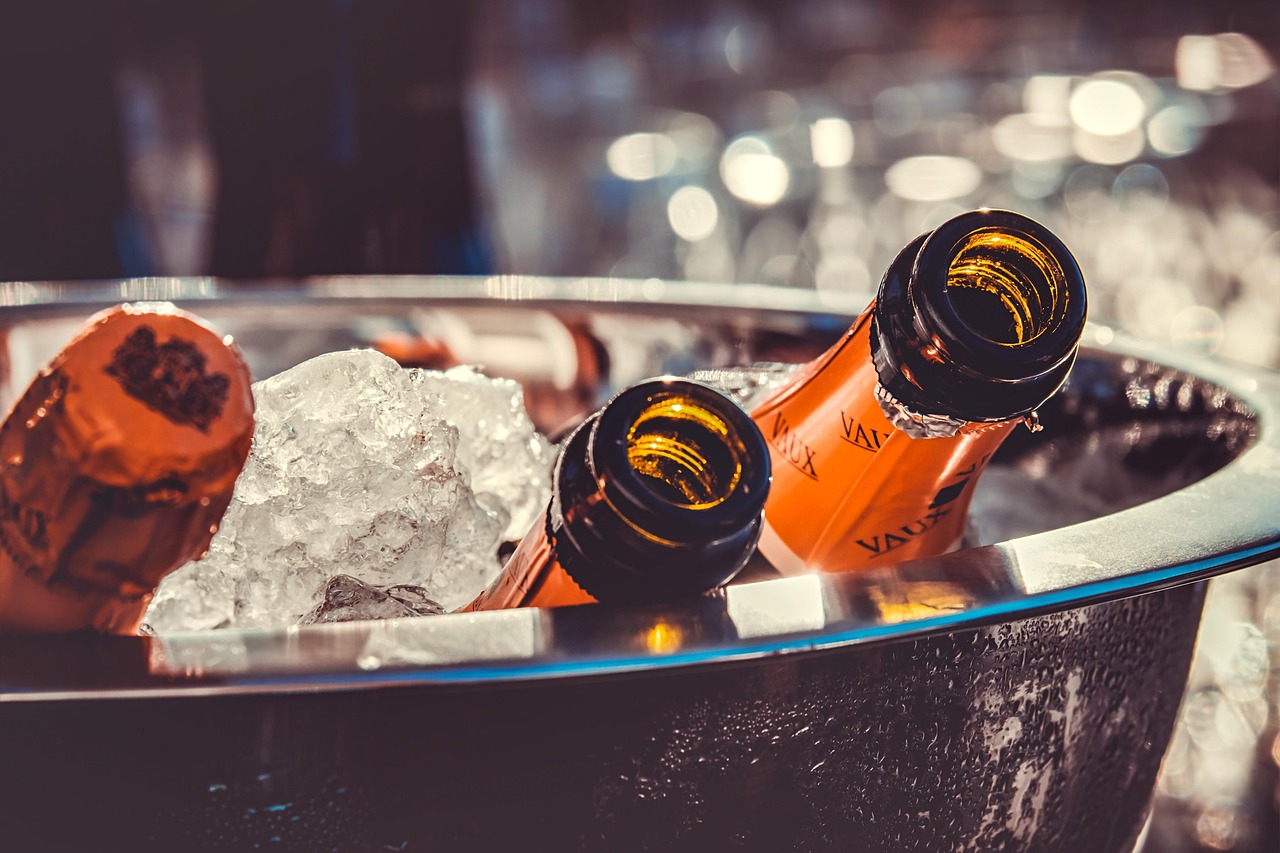
Serving temperature directly affects the perception of carbonation, acidity, and flavor expression. Most sparkling wines are best served chilled, typically between 45 and 50 degrees Fahrenheit, to accentuate crispness and maintain fine effervescence.
Over-chilling can mute subtle autolytic aromas and complex flavors, so complex vintage styles can be served slightly warmer, around 52 degrees Fahrenheit, to allow their full aromatic profile to emerge in the glass.
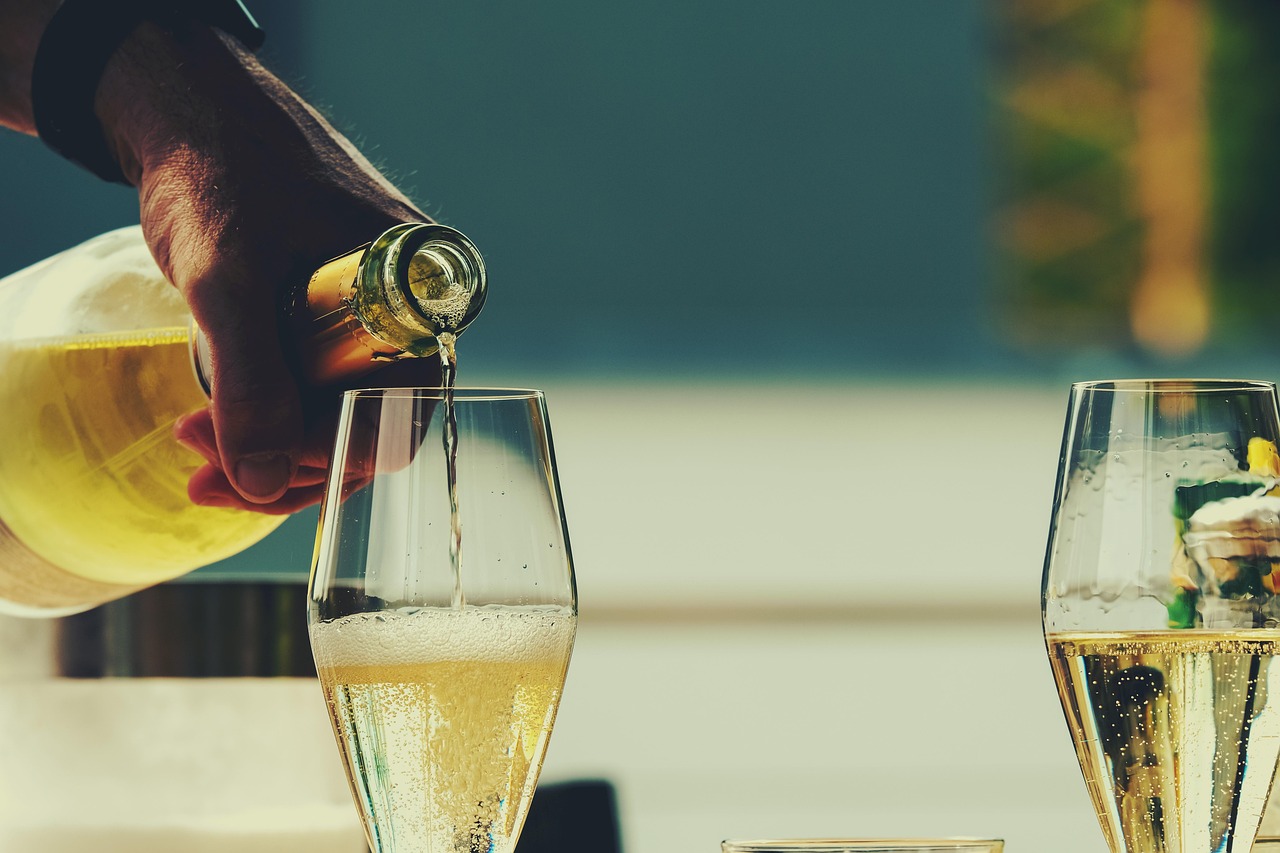
Learning proper techniques on how to serve sparkling red wine enhances both the aroma profile and effervescence.
Culinary Pairing Principles
High Acidity and Fat Pairing Dynamics
The naturally high acidity found in secondary fermentation sparkling wine acts as a powerful culinary tool, functioning much like a squeeze of fresh lemon juice over rich foods. This acidity cuts through high-fat content, cleansing the palate between bites.
Classic pairings leverage this dynamic by combining dry sparkling wines with fried foods, creamy cheeses, or rich seafood dishes. The structural acidity balances the weight of the dish, preventing the meal from feeling heavy or cloying.
Interplay of Salt and Effervescence
Salt and carbonation share a synergistic relationship in food and wine pairing. The dissolved carbon dioxide and acidity in sparkling wine interact with saline elements in food, softening perceived astringency and enhancing fruit flavors.
This principle explains why dry sparkling wines pair exceptionally well with salty items like cured meats, caviar, salted nuts, and shellfish. The mineral and saline notes in the wine harmonize directly with the savory components on the plate.
Matching Textural Weight
Successful pairings consider the structural weight of both the wine and the dish. Lighter tank-method wines pair well with delicate appetizers, raw fish, and subtle green salads that do not overwhelm the wine’s primary fruit profile.
Full-bodied, aged traditional method wines with rich autolytic character can support more substantial dishes, including roasted poultry, mushroom-based preparations, and dishes featuring rich butter or cream sauces, matching weight for weight.
Expanding Beyond Aperitifs
While sparkling wine is traditionally served as an aperitif to stimulate the palate before a meal, its versatility extends across an entire menu. Dry styles accompany appetizers and main courses seamlessly.
Even slightly off-dry styles can complement lightly spiced dishes or mildly sweet desserts, demonstrating that secondary fermentation wines possess the structural complexity required for diverse gastronomic applications beyond celebratory toasts.
Frequently Asked Questions
What causes the bubbles in secondary fermentation sparkling wine?
The bubbles form because carbon dioxide gas is trapped inside a sealed container during the secondary fermentation process. Yeasts consume added sugars, producing alcohol and carbon dioxide. Since the gas cannot escape, it dissolves into the liquid under pressure.
How does the traditional method differ from the tank method?
The traditional method conducts secondary fermentation inside each individual bottle, allowing extended contact with yeast lees for complex, bready flavors. The tank method uses large pressurized stainless steel tanks, preserving fresh fruit characteristics and efficiency.
What role does dosage play in sparkling wine production?
Dosage involves adding a small amount of wine and sugar just before final corking. This step adjusts the residual sugar level, allowing producers to balance natural acidity and define the final sweetness style, from bone-dry to sweet.
Why is sparkling wine stored on its side or upright?
Traditional method bottles closed with crown caps or corks are often stored horizontally during aging to keep the closure moist, though modern wire-hooded corks maintain seal integrity effectively across various orientations in cellar environments.
How long can premium sparkling wines age in the cellar?
High-end traditional method sparkling wines with significant structural balance, high acidity, and prolonged lees contact can age for decades. Over time, they develop tertiary aromas of honey, nuts, and dried fruit while softening in effervescence.
What is the best way to keep leftover sparkling wine fresh?
Leftover sparkling wine can be preserved by sealing the bottle with a specialized airtight sparkling wine stopper and storing it in the refrigerator. This slows down oxidation and helps retain carbonation for up to two days.