Drunken goat cheese, widely known as Queso de Cabra al Vino, is a distinctive semi-firm cheese steeped in regional red wine during or after the aging process. This soaking imparts a subtle purple rind and infuses the paste with berry and floral notes that complement the inherent tanginess of goat milk.
Pairing this unique cheese requires balancing its savory, slightly acidic core with beverages and accompaniments that echo the grape varieties used in its production. Successful combinations often look to Spanish or Mediterranean profiles, highlighting fruit-forward characteristics without overwhelming the delicate dairy fats.
Explorations in flavor matching involve understanding how tannins, acidity, and texture interact with the cheese’s dense structure and wine-washed exterior. Careful selection of accompaniments elevates both the dairy and the beverage, creating a cohesive tasting experience for formal gatherings or casual cheese boards.
Regional Wine Pairings
Matching Spanish Red Wines
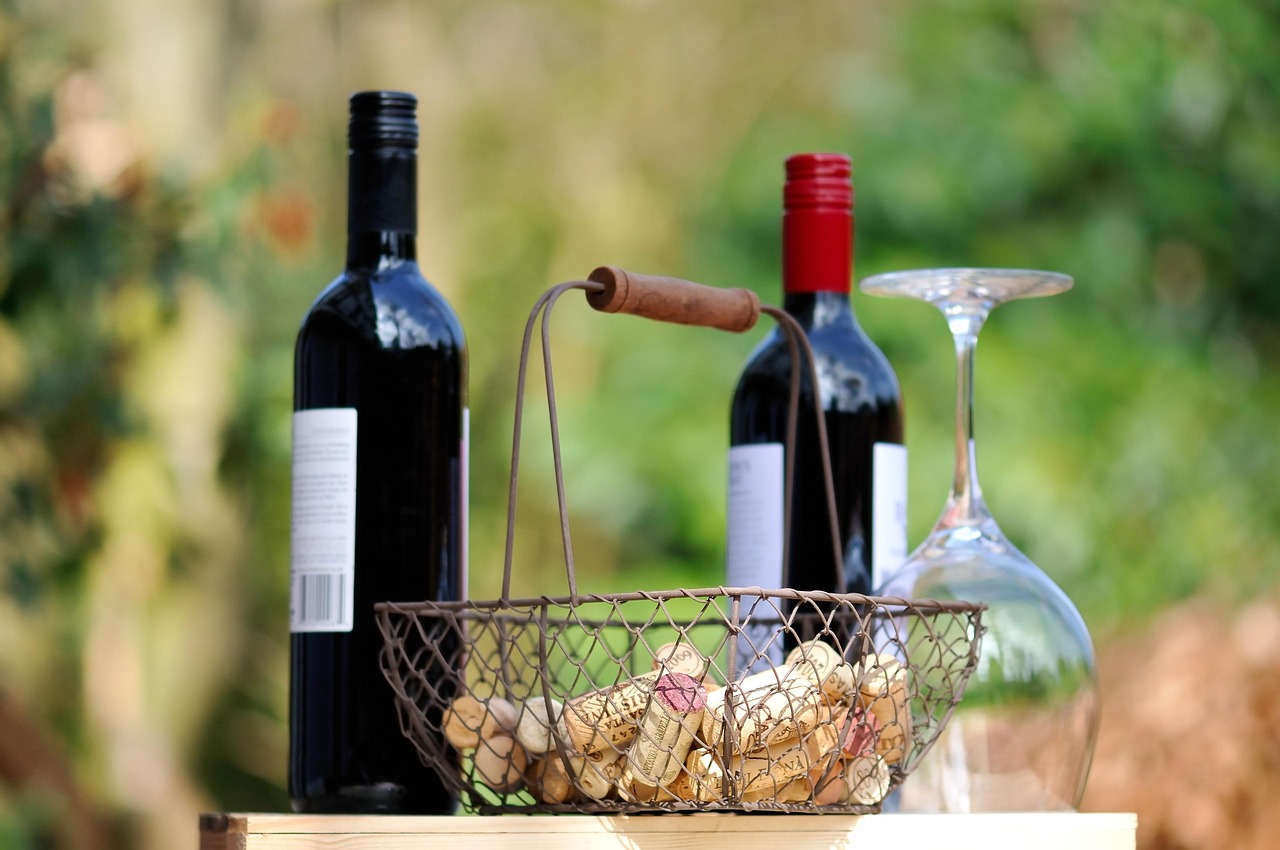
Traditional pairings naturally gravitate toward the wines used in the cheesemaking process, most notably regional Spanish reds like Monastrell or Tempranillo. These varietals share a geographical heritage with many classic styles of drunken goat cheese.
The medium body and bright red fruit notes of a young Tempranillo cut through the creamy fat of the cheese while mirroring the subtle grape notes embedded in the rind during the soaking stage.
Exploring Medium Bodied Whites
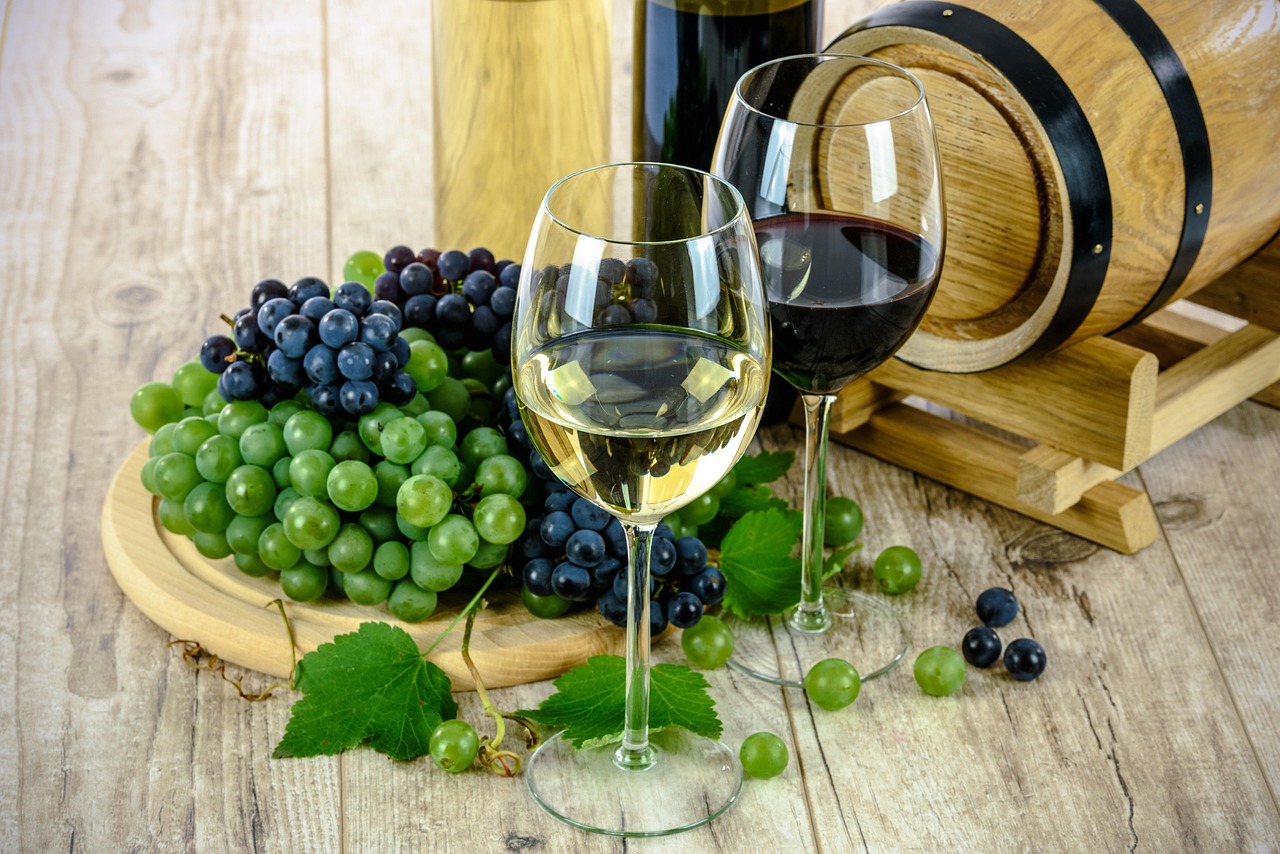
While red wine is the traditional choice, certain medium-bodied white wines offer a refreshing contrast to the rich, savory profile of wine-soaked goat cheese. Crisp styles with moderate acidity refresh the palate effectively.
A dry Albariño or a lightly oaked Chardonnay provides enough structure to stand up to the dense paste of the cheese without masking the subtle tannins absorbed from the wine bath on the outer rind.
Balancing Tannin and Acidity
High-tannin wines can sometimes clash with the lactic acid and natural proteins present in goat cheese, resulting in a metallic taste. Selecting wines with soft, approachable tannins prevents this adverse sensory reaction.
Focusing on bottles featuring elevated acidity and bright fruit characteristics ensures that the pairing highlights the creamy texture of the cheese while cleansing the palate between each distinct bite.
For related wine guidance, see fig jam and cheese pairing.
Complementary Accompaniments
Charcuterie and Cured Meats
Pairing meats with drunken goat cheese involves balancing the savory saltiness of cured proteins with the tangy, wine-infused dairy. Spanish Serrano ham or mild coppa provides an excellent savory counterpoint.
These cured meats offer a lean, protein-rich texture that contrasts pleasantly with the dense, slightly crumbly structure of the cheese, creating a well-rounded savory bite for any presentation.
Rustic Breads and Crackers
Neutral carriers are essential when serving intensely flavored cheeses, allowing the primary flavors of the dairy and wine to remain front and center without competing ingredients interfering with the tasting notes.
Sourdough baguettes, plain water crackers, or whole-grain flatbreads provide a stable, crunchy foundation that supports the weight of the semi-firm cheese slices while absorbing any released fats.
Preserves and Fresh Fruits
Fruit elements bridge the gap between the wine-washed rind and the savory goat milk interior. Fig jam, quince paste, or fresh blackberries introduce a natural sweetness that tames any sharp acidity.
The natural pectin and concentrated sugars in fruit preserves offer a sticky, luscious texture that coats the mouth, harmonizing with the dry, fruity undertones imparted by the original wine bath.
For related wine guidance, see fontina cheese wine pairing.
Cheese Board Composition
Temperature and Serving Prep
Serving cheese at the proper temperature is critical for releasing volatile aromatic compounds locked within the fats. Removing drunken goat cheese from refrigeration roughly thirty minutes prior to serving achieves this goal.
Allowing the cheese to warm slightly softens the dense paste, making it easier to slice cleanly and ensuring that the complex berry aromas from the wine rind become fully noticeable on the palate.
Texture and Age Contrasts
A successful cheese board incorporates a variety of textures and aging styles to keep the tasting experience engaging. Pairing drunken goat cheese with a soft bloomy rind or a hard, aged cheese adds variety.
The semi-firm, slightly dense bite of the wine-soaked goat cheese bridges the gap between ultra-creamy triple-cremes and granular hard cheeses, offering a distinct textural middle ground on the board.
Visual and Flavor Harmony
The striking purple-violet hue of the wine-washed rind provides a natural visual focal point for artistic plating. Arranging contrasting colors around the cheese enhances the overall aesthetic presentation.
Balancing intense flavors requires spacing out pungent items so that guests can transition smoothly between mild elements and more assertive flavor profiles without fatiguing their palates prematurely.
For related wine guidance, see merlot bellavitano cheese pairing.
Alternative Beverage Pairings
Craft Beers and Ciders
Fermented apple ciders offer a crisp, orchard-fruit profile that cuts through the rich dairy fats of goat cheese exceptionally well. The effervescence and acidity cleanse the palate effectively between bites.
Belgian-style blond ales or amber ales with subtle caramel malt notes also complement the nutty, savory undertones of the cheese without overwhelming its delicate balance of milk and wine.
Fortified Wine Options
Lightly chilled dry sherries or understated vermouths provide complex botanical and nutty dimensions that echo the sophisticated characteristics of wine-soaked rinds. These options require mindful portioning.
The intense concentration of fortified wines means they should be sipped slowly alongside small morsels of cheese, allowing the rich alcoholic warmth to integrate smoothly with the dense dairy proteins.
Non-Alcoholic Beverage Choices
Quality non-alcoholic pairings should replicate the dry, complex structure found in wine to avoid tasting overly sweet against savory cheese. Tart sparkling juices or botanical infusions work well.
Sparkling pomegranate juice or cold-brewed white tea with floral notes offers the necessary acidity and tannin-like dryness to complement the tangy cheese profile without masking its nuanced flavors.
Frequently Asked Questions
What type of wine is typically used to make drunken goat cheese?
Traditional versions, such as authentic Spanish Queso de Cabra al Vino, are typically soaked in regional red wines like Monastrell, Merlot, or Tempranillo. This immersion lasts anywhere from several days to weeks.
The aging process allows the milk curd to absorb the distinct fruit flavors, tannins, and deep pigmentation of the wine, resulting in a vibrant purple rind and a uniquely fruity, savory flavor profile.
How should drunken goat cheese be stored before serving?
Proper storage requires keeping the cheese wrapped in specialized cheese paper or breathable parchment inside the refrigerator crisper drawer. Avoid airtight plastic wrap, which traps moisture and accelerates spoilage.
Maintaining a stable cool temperature prevents the semi-firm paste from drying out while protecting the delicate wine-washed rind from absorbing unwanted odors from other foods stored nearby.
Can drunken goat cheese be melted in cooked dishes?
Drunken goat cheese can indeed be used in warm culinary applications, though its semi-firm structure behaves differently than high-moisture melting cheeses. It softens into a rich, creamy texture.
Incorporating it into warm grain bowls, savory tarts, or atop flatbreads allows the heat to release the residual wine aromatics, adding depth and savory complexity to cooked recipes.
Is the purple wine-soaked rind on drunken goat cheese edible?
Yes, the distinctive purple rind is entirely edible and safe to consume. Because the cheese is submerged directly in wine during or after the aging process, the outer layer absorbs authentic grape pigments, tannins, and aromatic compounds. Eating the rind alongside the interior paste provides a concentrated burst of fruitiness that balances the natural tang of the goat milk.
Some tasters prefer to trim away a tiny portion if they find the wine-derived tannins slightly too drying or concentrated for their personal preference. However, leaving the rind intact offers the most authentic tasting experience, directly connecting the visual presentation of the cheese to the specific regional red varietals used in its traditional production methods.
How do varying aging durations change the pairing dynamics of this cheese?
The duration of the aging and wine-soaking process directly influences the overall density, moisture level, and flavor concentration of the cheese. Younger versions retain a higher moisture content, yielding a softer texture and brighter lactic acidity that pairs exceptionally well with light, fruit-forward white wines, sparkling beverage options, or crisp artisan orchard ciders.
Conversely, longer-aged wheels develop a firmer, more crumbly paste and a sharper, more savory profile with deeper secondary characteristics. These mature variants require bolder structural partners, such as medium-bodied reds with soft, approachable tannins or aged dry sherries, to prevent the rich, concentrated dairy flavors from overpowering the accompanying beverage during the structured tasting.
Which specific nuts and dried fruits enhance a cheese board featuring this style?
Pairing nuts and dried fruits with wine-washed goat cheese creates delightful textural contrasts that elevate the entire tasting presentation. Marcona almonds, lightly toasted walnuts, or roasted hazelnuts introduce a rich, buttery crunch that complements the dense, semi-firm paste without introducing aggressive competing flavors, excessive salt, or heavy spice elements.
For dried fruits, mission figs, golden raisins, or tart dried cherries echo the dark berry and floral characteristics infused into the cheese’s purple rind. These sweet, chewy accompaniments bridge the gap between savory dairy proteins and acidic wine pairings, creating a well-rounded and harmonious progression of flavors across the palate during casual or formal gatherings.
How does milk fat interact with wine acidity during a tasting?
The natural fats present in goat milk play a crucial role in moderating perceived wine acidity on the palate. When you take a bite of the cheese, the dairy fats coat the tongue, creating a protective barrier that softens sharp or aggressive acids found in young, vibrant wine selections or crisp artisanal ciders.
In return, the acidity in the accompanying beverage cuts cleanly through that rich fat coating, preventing the overall tasting experience from feeling heavy or cloying. This dynamic mutual interaction successfully resets the palate between bites, ensuring that each successive sip of wine and morsel of cheese tastes as bright and distinct as the first.
How should leftover cut portions be managed to prevent drying?
Once a wedge of drunken goat cheese has been cut, protecting the exposed interior paste from premature oxidation is essential for maintaining consistent structural quality. Wrapping the remaining portion tightly in unbleached parchment paper or specialized breathable cheese paper allows the dairy to breathe while actively locking in necessary internal moisture levels.
Placing the wrapped cheese inside a slightly unsealed container within the main body of the refrigerator helps isolate it from strong food odors without causing detrimental surface condensation. Consuming these remaining cut portions within a week ensures optimal texture, preventing the exposed edges from hardening and completely losing their delicate aromatic complexity over time.